
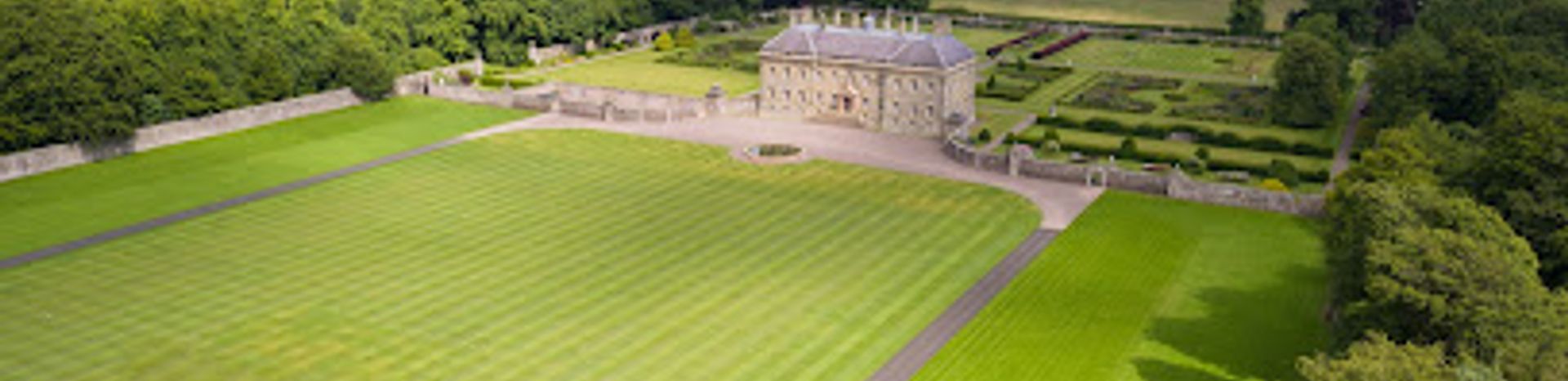
Kinross House Estate: Scotland’s Neoclassical Masterpiece and Historic Gardens
Discover Scotland’s first neoclassical Palladian mansion, set amidst historic gardens and royal heritage on the shores of Loch Leven.
Kinross House Estate, located in Kinross, Scotland, is the first and most important neoclassical Palladian mansion in the country, built in 1685 by Sir William Bruce. Set on the banks of Loch Leven, the estate features over 100 acres of formal gardens, woodland, and the historic Loch Leven Castle island. The estate is a testament to Scotland’s architectural heritage and royal history, offering exclusive hire for events and stays in a beautifully restored setting.
A brief summary to Kinross House Estate
- Kirkgate, Kinross, KY13 8ET, GB
- +441577865626
- Visit website
- Duration: 1 to 3 hours
- Mid ranged
-
 Outdoor
- Mobile reception: 4 out of 5
- Monday 12 am-12 am
- Tuesday 12 am-12 am
- Wednesday 12 am-12 am
- Thursday 12 am-12 am
- Friday 12 am-12 am
- Saturday 12 am-12 am
- Sunday 12 am-12 am
Local tips
- Book visits or event hires in advance as Kinross House Estate is open by prior arrangement only.
- Explore the formal gardens and woodland trails for stunning views of Loch Leven and the castle island.
- Take time to learn about the estate’s connection to Mary Queen of Scots and Scottish royal history.
- Visit the Coach House & Spa for a boutique spa experience complementing the historic setting.

For the on-the-go comforts that matter to you
- Restrooms
- Drink Options
- Food Options
- Seating Areas
- Information Boards
- Visitor Center
Getting There
-
Car
Driving from Edinburgh takes approximately 45 minutes via the M90 motorway. Parking is available on-site, but space may be limited during events. The route is straightforward, but the estate is accessed via a private driveway.
-
Train and Taxi
Take a train from Edinburgh Waverley to Kinross station, approximately 50 minutes. From Kinross station, a taxi ride of about 10 minutes will reach the estate. Taxi services may require advance booking.
-
Bus and Taxi
Local bus services connect Kinross with nearby towns; from the town center, a taxi is recommended for the 5-kilometer journey to the estate. Bus frequency varies, so check schedules in advance.
Kinross House Estate location weather suitability
-
 Any Weather
-
 Rain / Wet Weather
-
 Clear Skies
-
 Mild Temperatures
-
 Windy Conditions
Discover more about Kinross House Estate
A Landmark of Scottish Neoclassical Architecture
Kinross House Estate stands as the foremost example of neoclassical Palladian architecture in Scotland. Constructed beginning in 1685 by Sir William Bruce, a key figure in introducing classical design to the country, the house was his personal masterpiece. Its clean lines, giant Corinthian columns, and harmonious proportions marked a dramatic departure from the traditional Scottish castles and fortified homes of the era. The mansion’s design reflects Renaissance ideals of balance and elegance, making it a pioneering civilised villa in Scotland.Historical Ties to Scottish Royalty and Loch Leven Castle
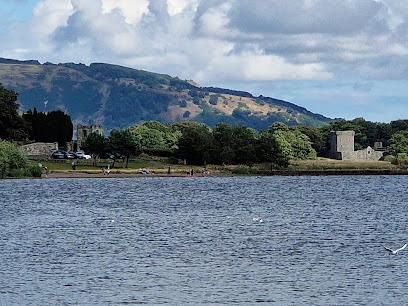
The estate’s location is deeply intertwined with Scotland’s royal history. Directly across Loch Leven lies Loch Leven Castle, where Mary Queen of Scots was imprisoned in 1567-68 and forced to abdicate the throne. This castle, a key element in Bruce’s landscape design, was also significant in earlier Scottish history, having been held by Robert the Bruce and King Robert II. The estate’s grounds and house align precisely with the castle, symbolising a connection to Scotland’s turbulent past and royal legacy.Gardens and Landscape: A Vision Realised Over Centuries
Long before the house was built, Bruce began landscaping the estate’s grounds in the 1670s, planting formal gardens and mature trees to create a refined setting. The gardens have evolved over centuries, with significant Edwardian-era additions such as rose gardens and herbaceous borders. A major restoration starting in 2011 sought to revive Bruce’s original vision while incorporating modern horticultural expertise, resulting in one of Scotland’s most beautiful and historic garden landscapes.Modern Restoration and Exclusive Use
After a period of closure and neglect in the 19th and early 20th centuries, Kinross House underwent a meticulous restoration by its current owners beginning in 2011. This labour of love returned the house and gardens to their former glory while adding state-of-the-art facilities. Today, the estate offers exclusive hire options for weddings, events, and private stays, with up to 24 bedrooms across the main house and the Coach House & Spa. The estate combines historical grandeur with modern luxury, set in a tranquil and scenic environment.Architectural and Cultural Significance
Kinross House is widely regarded as Sir William Bruce’s greatest architectural achievement and a national treasure. It influenced Scottish architecture profoundly and is celebrated for its restrained yet monumental neoclassical style. The estate’s careful alignment with Loch Leven Castle and its gardens exemplify the Picturesque movement’s early principles, blending architecture and landscape into a unified artistic statement.A Unique Scottish Heritage Experience
Visitors to Kinross House Estate experience a rare blend of history, architecture, and natural beauty. The estate’s formal gardens, woodland walks, and views across Loch Leven create a serene atmosphere. The presence of the historic castle island adds a layer of myth and legend, enriching the visitor experience with stories of Scottish independence, royal intrigue, and dramatic escapes. Kinross House remains a living monument to Scotland’s cultural heritage and architectural innovation.Iconic landmarks you can’t miss

Seamark
5.5 km
Seamark in Kelty, Fife—a serene historical landmark honoring Scotland’s rich coal mining heritage and community resilience.
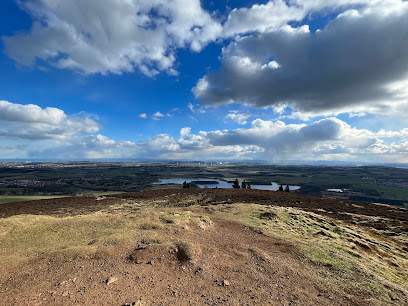
Caithness Place
18.9 km
Experience the vibrant connectivity of Caithness Place, your gateway to the best of Kirkcaldy's attractions and scenic spots.
Ruins of Kincardine Castle
20.0 km
Explore the evocative 13th-century ruins of Kincardine Castle, a royal Scottish fortress steeped in medieval history and surrounded by tranquil farmland.
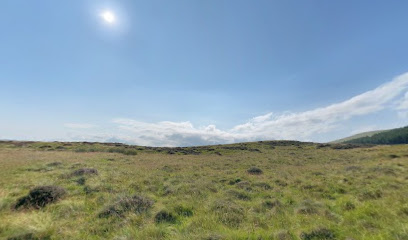
Branklyn Garden
20.6 km
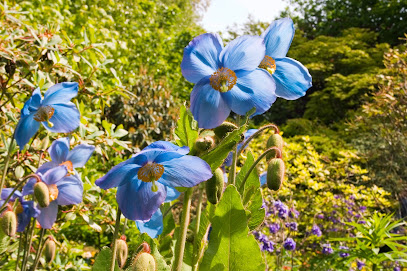
Explore the enchanting Branklyn Garden in Perth, a botanical paradise featuring a stunning collection of plants and serene landscapes for all to enjoy.
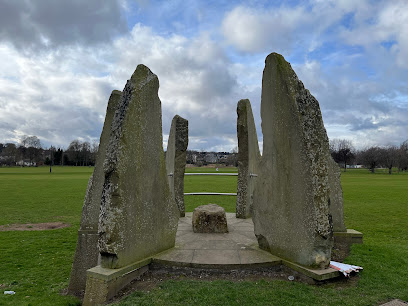
South Inch
20.8 km
Explore South Inch Park, a scenic green oasis in Perth with beautiful landscapes, historical monuments, and recreational activities for all.
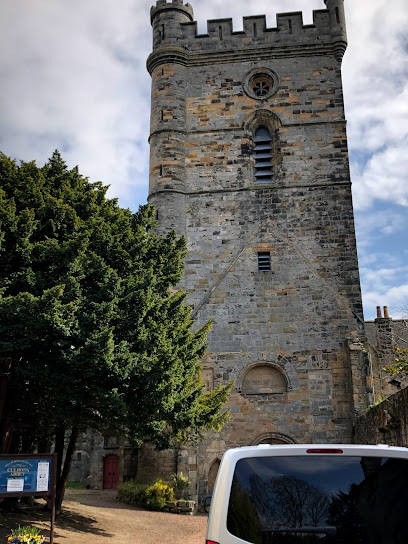
Culross Abbey
20.9 km
Experience the tranquil beauty and rich history of Culross Abbey, a stunning architectural gem in the heart of Scotland's picturesque landscape.
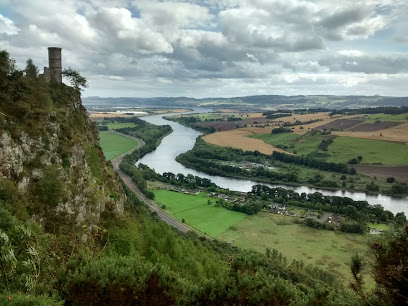
Kinnoull Hill Woodland Park
21.2 km
Explore Kinnoull Hill Woodland Park, a scenic gem in Perth, perfect for nature lovers and outdoor enthusiasts seeking tranquility and breathtaking views.
Greyfriars Burial Ground
21.2 km
Discover the serene ambiance and historical significance of Greyfriars Burial Ground in Perth, a peaceful retreat rich with stories from the past.
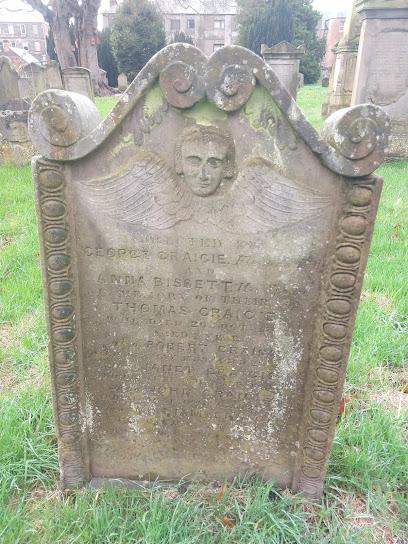
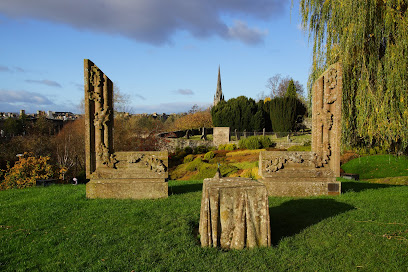
Rodney Gardens
21.3 km
Experience the tranquility of Rodney Gardens, a beautiful park along the River Tay, perfect for leisurely strolls and nature appreciation in Perth, Scotland.
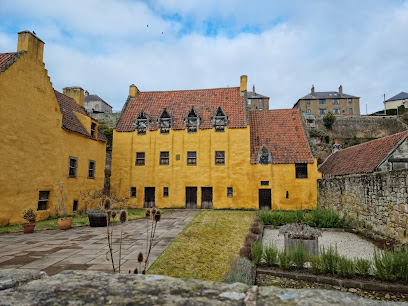
Culross Palace - The National Trust for Scotland
21.4 km
Explore the stunning Culross Palace, a 17th-century gem in Scotland, rich in history and surrounded by breathtaking gardens overlooking the Firth of Forth.
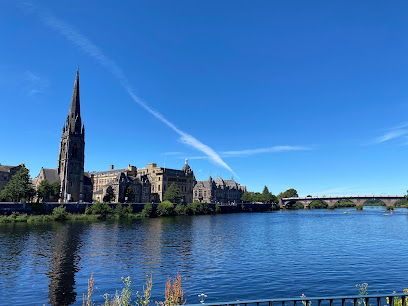
Norie-Miller Walk
21.4 km
Explore the scenic Norie-Miller Walk, a riverside park in Perth filled with beautiful gardens and captivating sculptures, perfect for relaxation and outdoor activities.
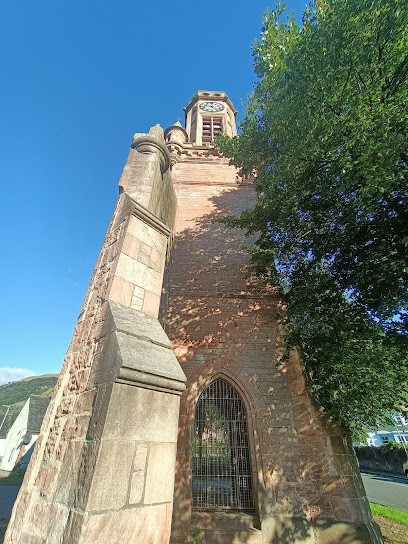
Ochil Street Clock Tower
21.4 km
A striking 19th-century Scottish Baronial clock tower standing proudly on Ochil Street, echoing Tillicoultry’s rich industrial heritage.
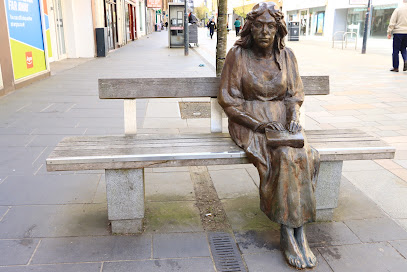
The Fair Maid of Perth
21.6 km
Explore The Fair Maid of Perth, a stunning sculpture that captures the charm of Scottish folklore in the vibrant heart of Perth.
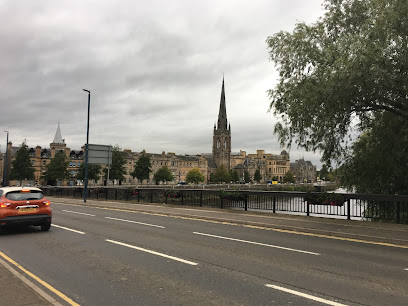
VisitScotland Perth iCentre
21.6 km
Explore Perth with ease at the VisitScotland iCentre, your go-to resource for local attractions, events, and travel tips in Scotland's historic city.
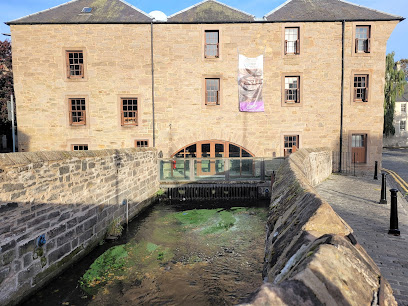
Perth & Kinross Heritage Trust
21.7 km
Explore the Perth & Kinross Heritage Trust - a cultural gem showcasing Scotland's rich history and community heritage.
Unmissable attractions to see

Kirkgate Park
0.2 km
A tranquil 7-hectare park on Loch Leven’s shore, perfect for family outings, scenic walks, and connecting with nature in Kinross.
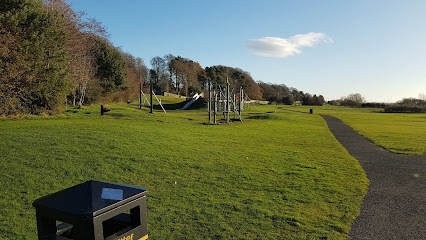
Loch Leven Castle Viewpoint
0.4 km
Explore the 21km scenic Loch Leven Heritage Trail with stunning wildlife, historic Loch Leven Castle views, and accessible paths around Scotland’s largest lowland loch.
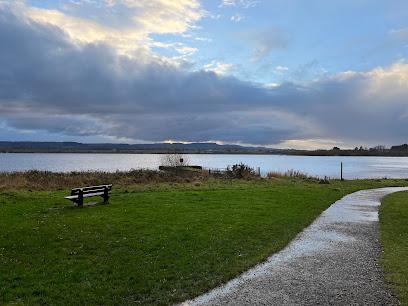
Loch Leven National Nature Reserve - Pier Entrance
0.5 km
Explore Europe's premier wildfowl haven with scenic trails, rich history, and vibrant wildlife at Loch Leven National Nature Reserve.
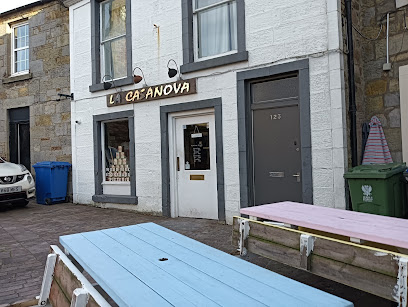
La Casanova
0.7 km
Authentic Mediterranean takeaway in Kinross offering thin, tasty pizzas with fresh ingredients and friendly service on High Street.
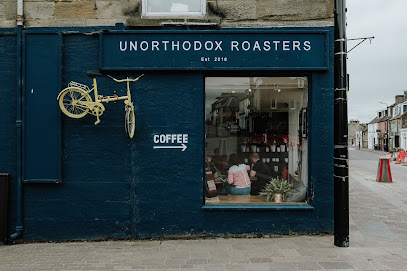
Unorthodox Roasters
0.7 km
Kinross’s artisan coffee roastery and café blending ethical sourcing, expert roasting, and a vibrant community atmosphere on High Street.
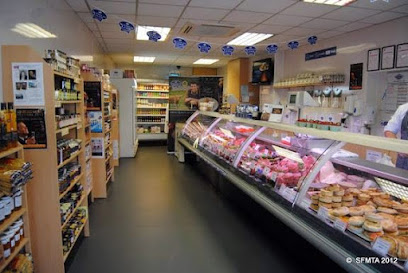
Hunters Of Kinross
0.7 km
Kinross’s trusted butcher shop offering premium meats, friendly service, and a welcoming local atmosphere on High Street.
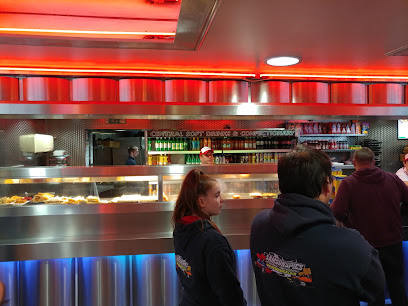
Central Chippy Takeaway
0.7 km
Kinross’s go-to spot for crispy fish and chips, kebabs, and pizzas with fast service and convenient delivery options.
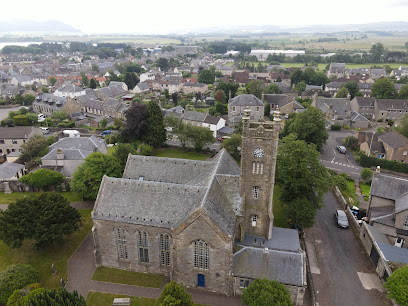
Kinross Parish Church
0.9 km
Discover the historic Tudor Gothic Kinross Parish Church, a serene spiritual landmark set atop Kinross’s highest point.
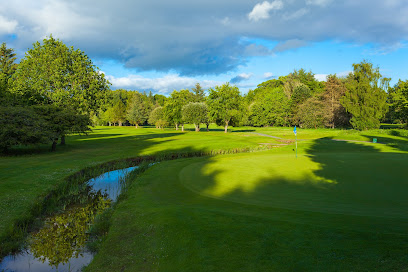
Kinross Golf Courses
1.0 km
Championship parkland golf in Scotland's scenic heartlands, just 30 minutes from Edinburgh.
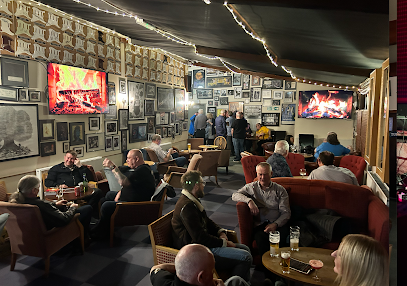
Mundell Music
1.1 km
Experience legendary live music up close in Kinross’s intimate and iconic venue where grassroots artists and music legends unite.
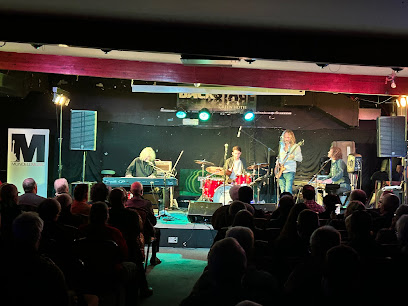
Backstage at The Green
1.1 km
Experience intimate live music in Kinross at Backstage at The Green, where legendary artists and grassroots talent unite in a cosy, character-filled venue.
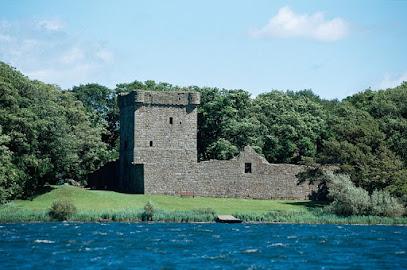
Lochleven Castle
1.1 km
Explore Lochleven Castle, a historic island fortress where Mary, Queen of Scots was imprisoned, set amid tranquil Scottish loch scenery.
St Paul’s
1.3 km
A charming 19th-century Scottish Episcopal church in Kinross, known for its welcoming community and historic bell tower.
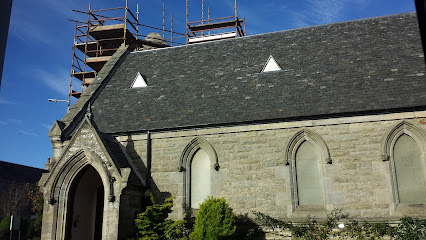
Kinross Activity Centre
2.1 km
Experience thrilling outdoor adventures and serene countryside at Kinross Activity Centre, your gateway to nature and fun in Perth and Kinross.
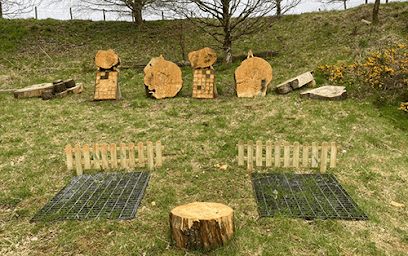
Loch Leven National Nature Reserve
2.1 km
Discover Scotland’s premier wetland sanctuary with vibrant wildlife, historic intrigue, and a scenic 13-mile trail around Loch Leven.
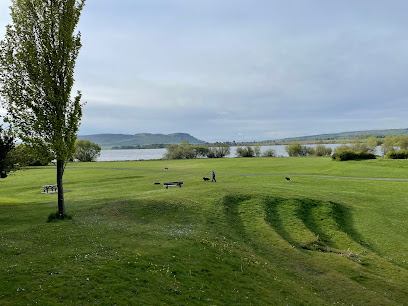
Essential places to dine

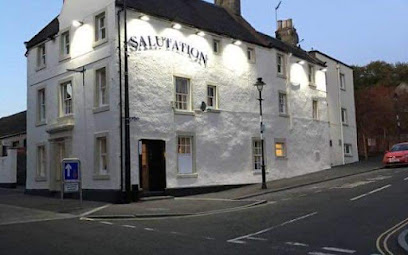
Salutation Hotel & Dewars Bar
0.7 km
A charming historic inn in Kinross with friendly service, traditional Scottish character, and a cozy bar and bistro atmosphere.
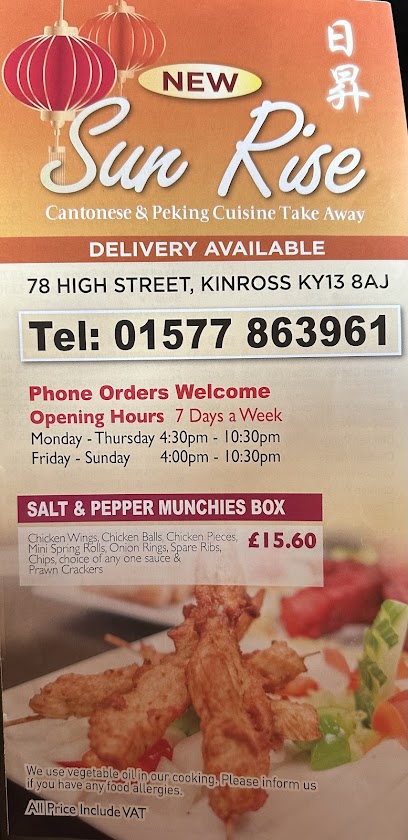
Sunrise
0.7 km
Discover authentic Chinese flavors at Sunrise in Kinross – where every dish tells a story of tradition and taste.
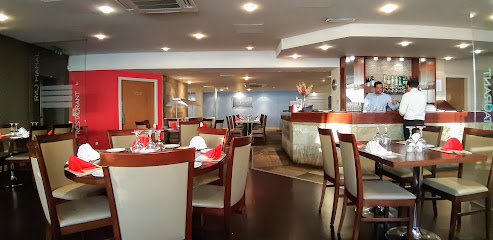
The Raj Mahal Indian Restaurant
0.7 km
Experience authentic and modern Indian flavors with a fresh buffet and warm hospitality in the heart of Kinross.
The Kirklands Hotel
0.8 km
Charming boutique hotel in Kinross offering cozy rooms, superb breakfasts, and a friendly, welcoming atmosphere in a peaceful country setting.
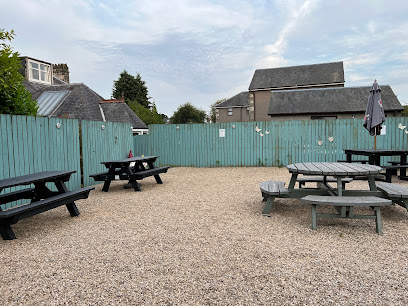
1567 Restaurant at the Green Hotel
1.1 km
Fine dining with historic charm and garden views in the heart of Kinross at The Green Hotel’s 1567 Restaurant.
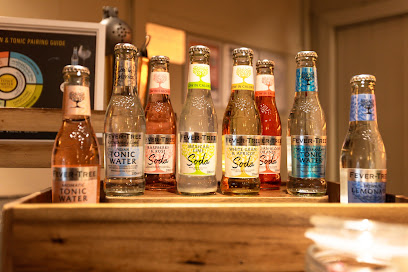
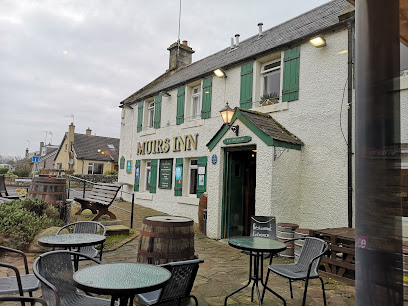
The Muirs Inn
1.3 km
Historic Kinross pub serving fresh home-cooked meals in a warm, welcoming atmosphere.
The Grouse & Claret
2.1 km
A charming countryside restaurant near Kinross serving expertly crafted Scottish dishes with warm, attentive service in a cozy setting.
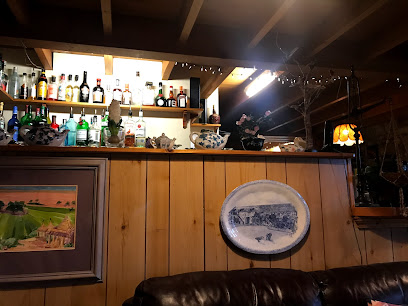
Le Jardin Cafe
2.1 km
A charming garden centre cafe in Kinross offering fresh food, great coffee, and a tranquil setting for all-day dining.
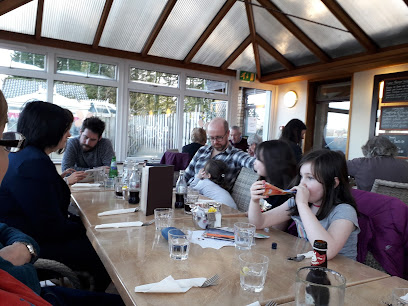
Balgedie Toll Tavern
4.3 km
Historic Scottish country pub with rustic charm, award-winning food, and a warm welcome amid scenic countryside near Loch Leven.
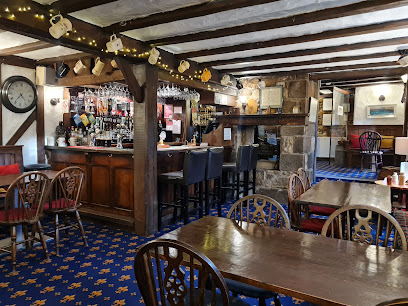
The Fettykil Fox
13.6 km
A charming gastropub in Glenrothes blending rustic Scottish style with hearty British fare and warm hospitality.
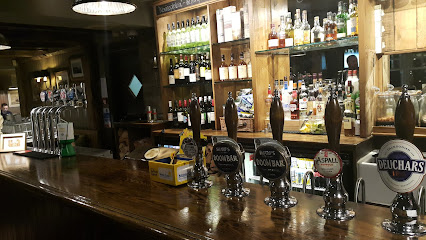
Frankie & Benny's
13.9 km
Classic American-Italian comfort food served fresh in a lively, family-friendly setting at Dunfermline’s Fife Leisure Park.
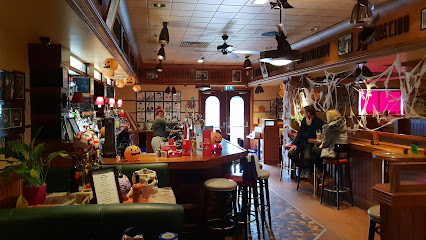
Christies Scottish Tapas
14.0 km
Discover Scottish flavors reimagined as tapas in a lively, welcoming setting at Christies Scottish Tapas in Dunfermline.
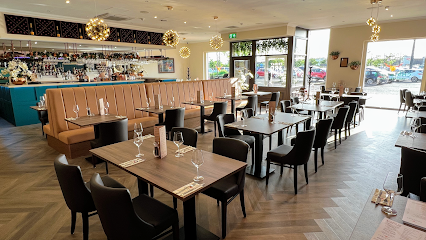
Tony Macaroni
14.1 km
Casual Italian dining with family-friendly vibes and great pizza in Dunfermline’s lively Fife Leisure Park.
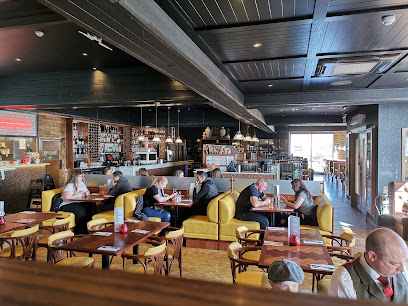
Grande Fine Dining Restaurant
14.5 km
Experience refined Scottish cuisine with a modern twist at The Grande, Kirkcaldy’s acclaimed fine dining restaurant within Dean Park Hotel.
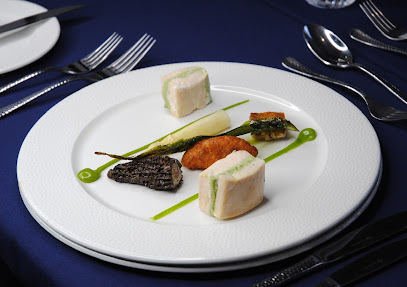
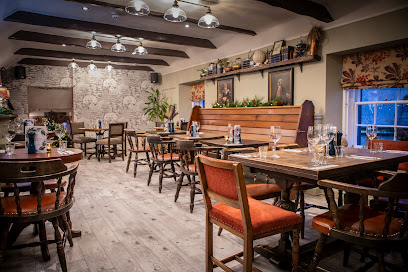
The Boar's Head Fife, Restaurant & Pub
14.8 km
A charming gastropub in Auchtermuchty offering fresh, locally inspired Scottish cuisine, fine wines, and cozy hospitality.
Markets, malls and hidden boutiques

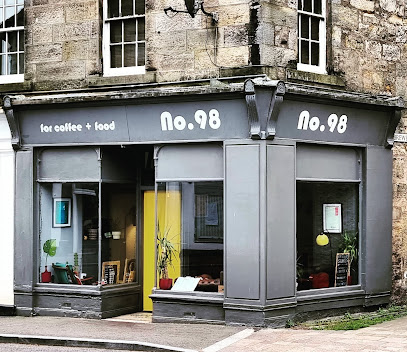
No 98
0.7 km
Discover No 98, a charming café in Kinross offering delicious breakfasts and a cozy atmosphere for an unforgettable dining experience.
Todd & Duncan Ltd
0.9 km
Discover the heritage and craftsmanship of Scotland’s leading cashmere yarn mill nestled beside Loch Leven.
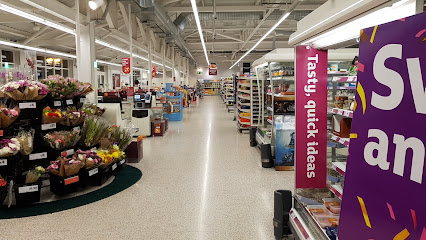
Sainsbury's
1.6 km
Your convenient and inclusive supermarket in Kinross, open daily with fresh produce, bakery delights, and modern shopping amenities.
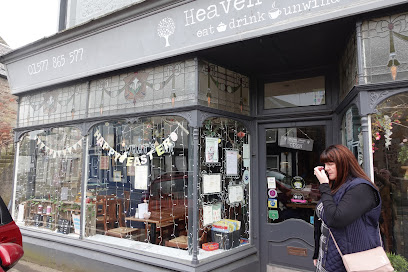
Heaven Scent Coffee Shop
2.7 km
A charming coffee shop in Milnathort offering customizable breakfasts, classic afternoon teas, and a welcoming garden setting with local flair.
You Know Who's
11.3 km
Discover top high street brands at unbeatable prices with friendly service in the heart of Cowdenbeath.
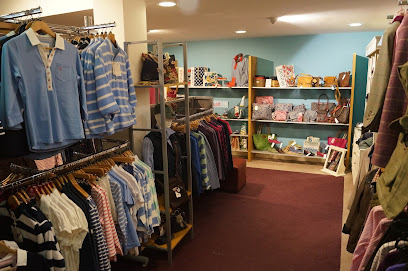
Fife Country
12.0 km
Heritage Scottish country clothing and footwear crafted since 1888 for enduring comfort and style in the great outdoors.
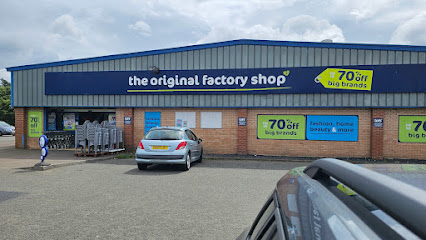
The Original Factory Shop (Cowdenbeath)
12.0 km
Shop big brands for less at The Original Factory Shop Cowdenbeath, your go-to discount store for clothing, footwear, beauty, and party supplies.
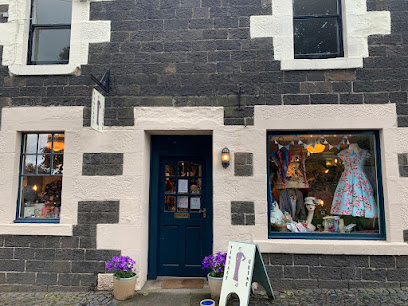
Vintage Quine
13.6 km
Discover timeless vintage fashion and unique accessories in the charming boutique of Vintage Quine, nestled in the historic village of Falkland.
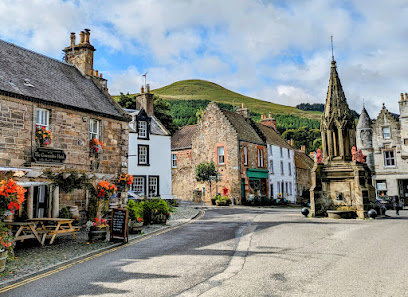
Fayre Earth
13.6 km
A charming gift shop and café in the historic village of Falkland, perfect for Scottish souvenirs, local crafts, and a warm cup of tea.
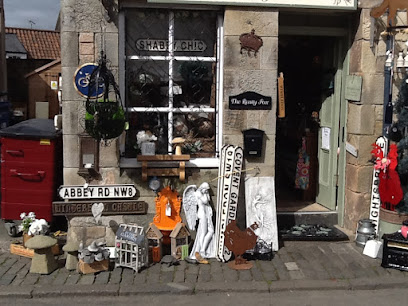
The Rusty Fox
13.7 km
Discover unique gifts, garden treasures, and plus-size fashion at The Rusty Fox, Falkland’s charming boutique on Back Wynd.
Kreative Dunfermline
14.4 km
Discover unique, handcrafted gifts and local artistry at Kreative Dunfermline, a charming boutique celebrating Fife’s creative spirit.
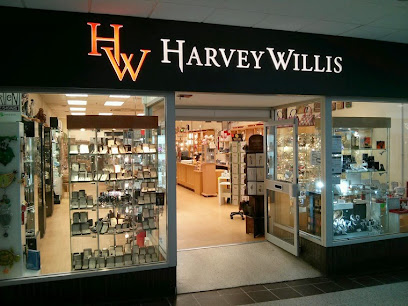
Harvey Willis
14.6 km
Discover Glenrothes’ award-winning boutique offering exquisite gifts, jewellery, watches, and personalized services in a welcoming setting.
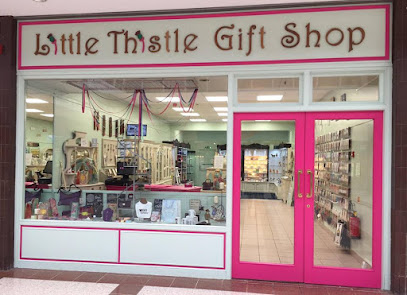
Little Thistle Gift Shop
14.6 km
Discover unique Scottish gifts and handcrafted treasures at Little Thistle, Glenrothes’ award-winning family-run boutique.
A&N Custom Gifts
14.7 km
Explore A&N Custom Gifts, your go-to destination in Glenrothes for unique souvenirs and personalized treasures that embody the spirit of your travels.
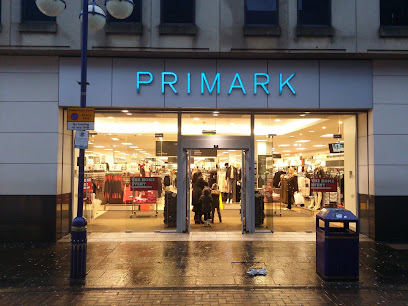
Primark
15.0 km
Discover stylish, affordable fashion for the whole family at Primark Dunfermline, your go-to High Street shopping destination.
Essential bars & hidden hideouts

Jock's Bar
1.0 km
A cozy, lively bar in Kinross offering local ales, hearty meals, and live music in a historic hotel setting.
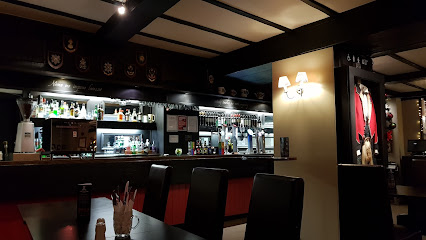
Torleys Bar
10.7 km
A friendly Lochgelly pub with pool, darts, beer garden, live sports, and a warm community atmosphere at its heart.
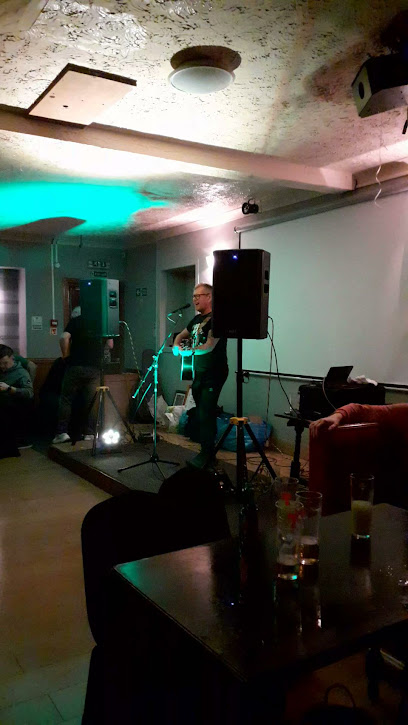
The Railway Tavern @ Strathmiglo (Formerly The Strath Tavern)
11.8 km
Historic Scottish charm meets authentic local flavors in the welcoming Railway Tavern at Strathmiglo’s heart.
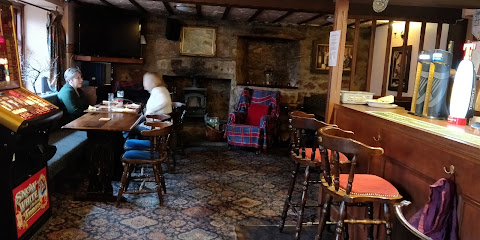
Home Farm View - Pub & Grill
14.4 km
A welcoming pub and grill near Kirkcaldy offering classic dishes, a full bar, and family-friendly comfort in a casual setting.
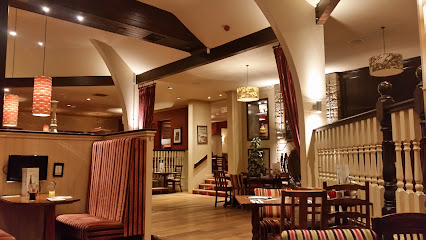
Auld Classic Bar
14.5 km
Auld Classic Bar offers rustic charm and friendly vibes in Dunfermline, perfect for a relaxed pint or casual night out at an affordable price.
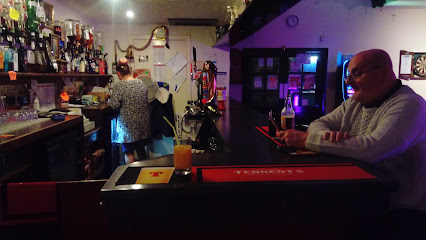
Spiral Weave
14.7 km
A modern pub with a traditional heart, serving daily carvery and classic pub fare in a welcoming family-friendly setting with a lively beer garden.
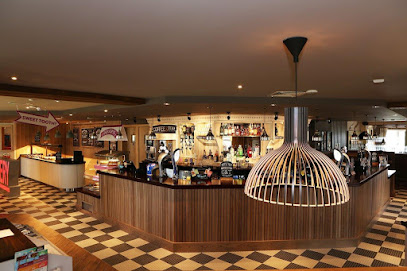
East Port Bar
14.9 km
Experience authentic Scottish pub culture with lively sports, local ales, and warm hospitality in Dunfermline’s East Port Bar.
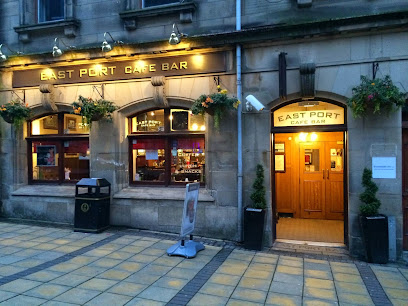
The Glen Tavern
15.1 km
Cozy and friendly pub in Dunfermline serving hearty Scottish fare and local brews in a warm, inviting atmosphere.
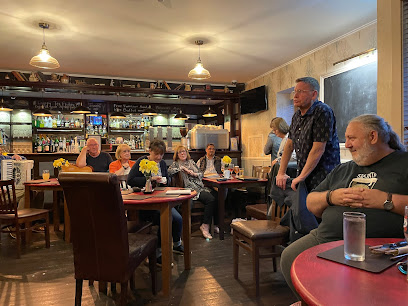
The Old Inn
15.1 km
Historic and welcoming pub in Dunfermline’s center, blending rustic charm with lively atmosphere and excellent food.
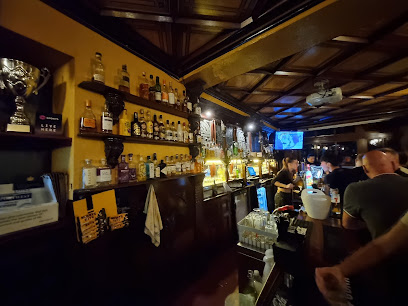
The Creepy Wee Pub
15.1 km
A quirky gothic-themed pub in Dunfermline offering a cozy atmosphere, unique decor, and a great selection of drinks for locals and visitors alike.

Lourenzos
15.1 km
Lourenzos is Dunfermline’s vibrant bar and nightclub, renowned for its lively atmosphere, quality cocktails, and friendly service.
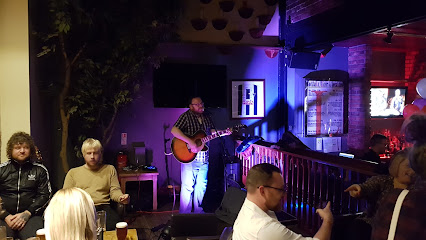
The Chapel Tavern
15.2 km
A classic Kirkcaldy pub offering hearty British fare, lively events, and a warm, welcoming atmosphere for all.
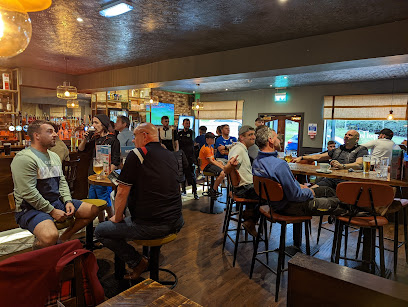
Eddy's Bar
15.7 km
A traditional Kirkcaldy pub blending classic charm with modern comfort, perfect for locals and visitors seeking a welcoming atmosphere.
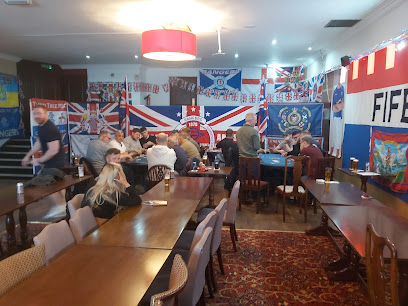
Bridge Street Bar
16.8 km
Enjoy expertly crafted cocktails and a warm, welcoming atmosphere at Bridge Street Bar, Dollar’s vibrant social hub.
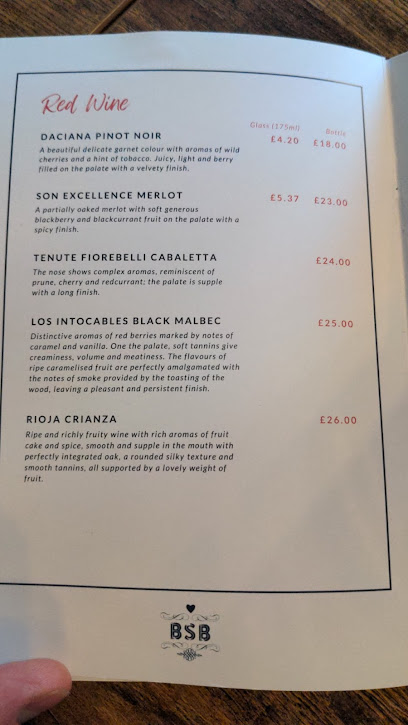
The Elby Inn
17.0 km
Experience the heart of Scottish hospitality at The Elby Inn, a cozy pub in Markinch offering local ales and hearty meals.
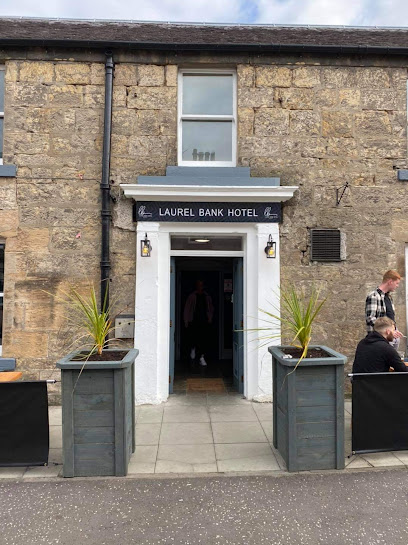
Nightclubs & after hour spots

The Schofies Residence 1
13.2 km
A lively nightclub nestled in Glenrothes, offering a vibrant social scene and memorable nights in Scotland’s welcoming town.
LIFE
15.1 km
Experience vibrant nightlife and late-night fun at LIFE, Dunfermline’s energetic nightclub with a welcoming atmosphere and great music.
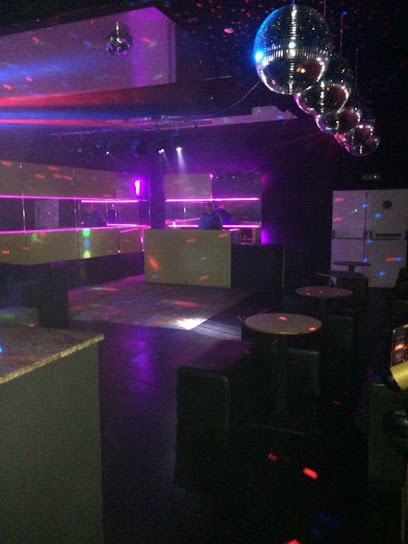
Hustlers Pool Hall
18.1 km
Affordable, lively pool hall and sports bar in Rosyth offering fun games, friendly vibes, and great social atmosphere for all ages.
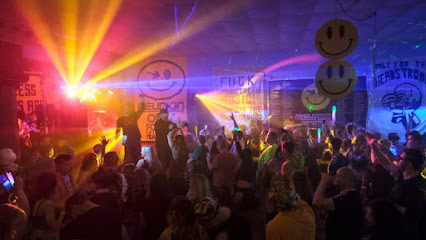
Republic Bar Club
18.7 km
Experience Kirkcaldy’s vibrant nightlife at Republic Bar Club, where great drinks, friendly vibes, and lively weekends come together.
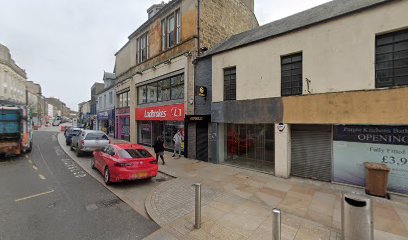
Ice Factory Perth
20.6 km
Perth’s energetic nightclub and live music hotspot, blending dance, DJs, and vibrant weekend nights in a modern setting.

Loft Nightclub
21.4 km
Perth’s energetic nightclub with six bars, late-night dancing, and a lively social scene on South Street.
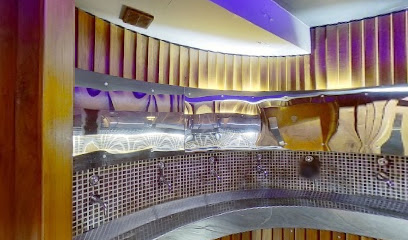
Club One
21.5 km
Experience Perth’s vibrant nightlife at Club One, a lively nightclub offering late-night and daytime parties in the city center.
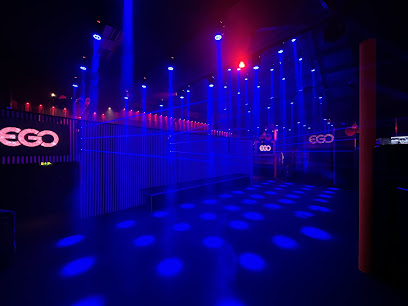
Ego Nightclub - Perth
21.6 km
Experience Perth’s vibrant nightlife at Ego Nightclub, where quality music and positive energy unite after dark.
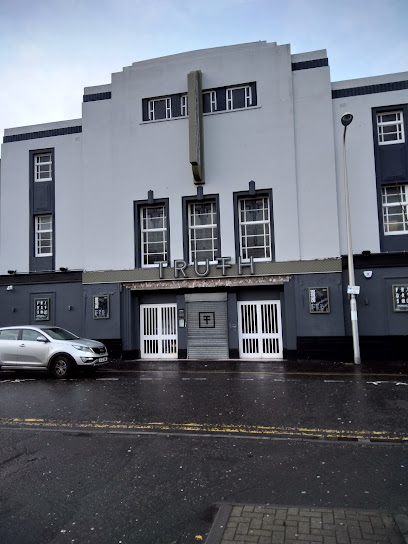
Truth
25.5 km
Experience vibrant nightlife with great music, friendly service, and a welcoming atmosphere at Truth nightclub in Leven, Fife.
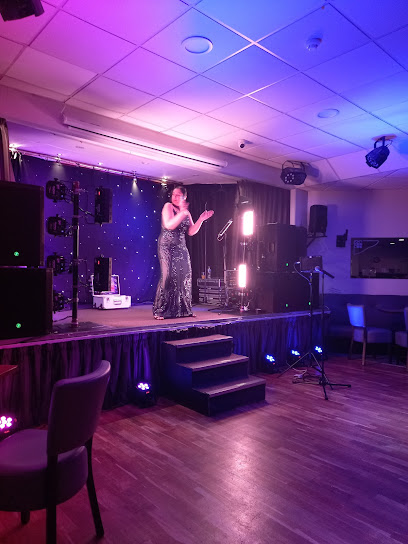
Leith Dockers Club
29.8 km
Discover the vibrant Leith Dockers Club, a social haven in Edinburgh offering live music, community events, and a taste of local culture.
West Lothian Casting Agency
30.1 km
Discover the vibrant adult entertainment scene at West Lothian Casting Agency, where immersive performances and themed events await every visitor.
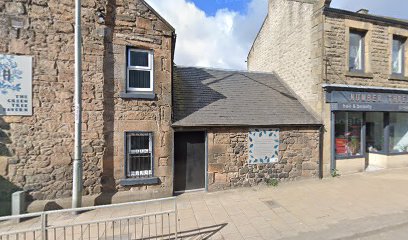
Lulu Bar and Nightclub
30.6 km
Edinburgh's George Street gem: chic cocktails, thumping beats, and dance floors that ignite the night in upscale style.
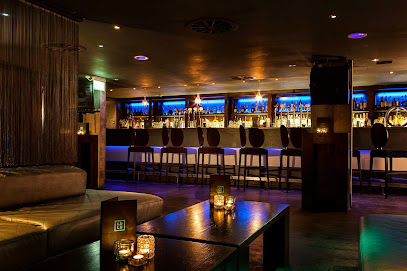
Garibaldi's
30.6 km
Edinburgh's tiniest nightclub packs the biggest late-night punch on Hanover Street, with killer margaritas and a dance floor that never quits till 3am.
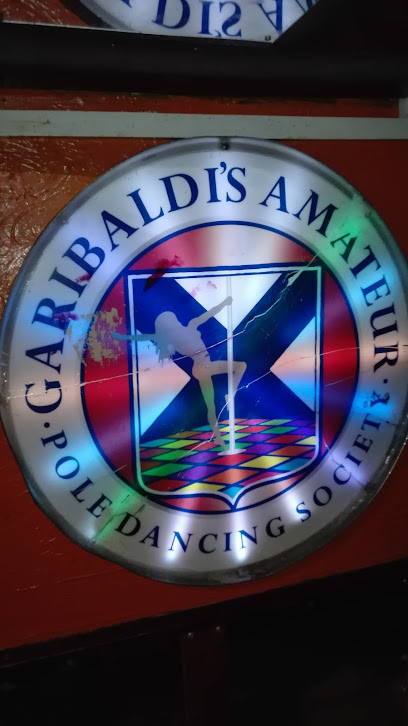
The Street
30.7 km
Experience the vibrant nightlife of Edinburgh at The Street, a lively cocktail bar and restaurant offering delicious drinks and a diverse menu.
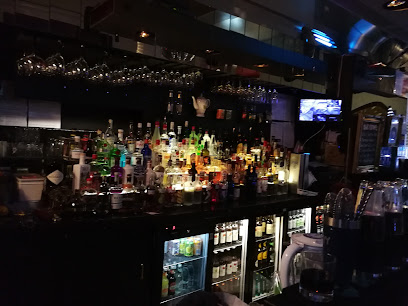
Opal Lounge
30.7 km
A stylish live music bar and nightclub in Edinburgh’s New Town, perfect for celebrations and vibrant nightlife.
For the vibe & atmosphere seeker
- Relaxing
- Tranquil
- Scenic
- Unique
- Boutique
For the design and aesthetic lover
- Modern Designs
- Vintage Styles
For the architecture buff
- Historic
- Landmarks
- Parks & Gardens
- Heritage Neighborhoods
For the view chaser and sunset hunter
- Iconic Views
- Panoramas
- Waterfront
- Sunset Spots
For the social media creator & influencer
- Instagrammable
- Photo Spots
- Selfie Spots
- Architectural Shots
For the eco-conscious traveler
- Public-Transport Accessible
- Locally Managed
For the kind of experience you’re after
- Cultural Heritage
- Photowalk
- Nature Escape
- Day Trip
- Weekend Getaway
- Myth & Legends
For how adventurous you want the journey to be
- Easy Access
Location Audience
- Family Friendly
- Senior Friendly
- Child Friendly
- Wheelchair Access
- Couple Friendly
- Solo Friendly


