

Liverbird Monument, Liverpool Travel Guide
Discover Liverpool’s iconic Liverbird Monument, a mythical symbol of maritime heritage and city pride perched at St Nicholas Place.
Perched prominently at St Nicholas Place in Liverpool, the Liverbird Monument represents the city's enduring emblem, a mythical cormorant-like bird symbolizing Liverpool's maritime heritage and civic pride. This iconic statue echoes centuries of local legend and history, famously crowning the Royal Liver Building and embodying the spirit of the city through folklore and art.
A brief summary to Liverbird Monument
- St Nicholas Pl, Liverpool, L3 1HU, GB
- Duration: 0.5 to 1.5 hours
- Free
-
 Outdoor
- Mobile reception: 4 out of 5

Know before you go
Hi, I'm Eve. Here are a few practical things to know before exploring Liverbird Monument.
- Visit during daylight hours to fully appreciate the monument’s intricate details and its striking presence against Liverpool’s skyline.
- Explore nearby waterfront landmarks like the Royal Liver Building to see the famous Liver Birds up close.
- Learn about Liverpool’s maritime history and folklore to deepen your understanding of the Liverbird’s symbolism.
- Bring a camera for iconic photo opportunities with the Liverbird against the historic Pier Head backdrop.
Do you manage this location?
Take control to get all the benefits, like improved information, better appearance, and stronger visibility across AI-powered discovery. Learn more about listing your business on Evendo
Activate your presenceOther nearby places you may find interesting
The closest places of the same kind, if this one is not quite what you had in mind.


Explore Liverbird Monument on the Map
A handpicked selection of must-see spots near Liverbird Monument, mapped for you.
Getting There
-
Public Transport
Take Liverpool’s Merseyrail network to James Street Station, approximately a 10-minute walk to St Nicholas Place. Trains run frequently with fares around £2-£4 GBP depending on origin.
-
Bus
Several city buses stop near the Pier Head area, including routes 10, 17, and 26. Travel times vary from 15 to 30 minutes from central Liverpool locations, with single fares around £2 GBP.
-
Taxi or Rideshare
Taxis and rideshare services can reach St Nicholas Place in 10-20 minutes from Liverpool city center, depending on traffic. Typical fare ranges from £5 to £10 GBP.
-
Walking
From Liverpool Lime Street Station, enjoy a 20-minute walk along historic streets and waterfront promenades to reach the Liverbird Monument, suitable for most fitness levels.
For the on-the-go comforts that matter to you
-
 Restrooms
-
 Drink Options
-
 Food Options
-
 Seating Areas
-
 Information Boards
Discover more about Liverbird Monument
Origins of the Liverbird Symbol
The Liverbird is a mythical creature that has symbolized Liverpool for over 800 years. Its earliest known association dates back to 1229 when King Henry III granted Liverpool the right to self-governance and a unique seal featuring a bird holding a sprig in its beak. This bird, originally depicted as an eagle linked to King John, evolved into a cormorant-like figure, reflecting Liverpool’s maritime identity and the local seaweed called 'laver'. Over centuries, the Liverbird became the city's emblem, appearing on official documents, coats of arms, and civic regalia.The Monument and Its Artistic Legacy
The Liverbird Monument at St Nicholas Place is closely tied to the famous Liver Birds atop the Royal Liver Building, completed in 1911. These colossal copper sculptures, standing over 18 feet tall, were designed by Carl Bernard Bartels and crafted by the Bromsgrove Guild. They had to be both lightweight and durable to withstand Liverpool’s harsh weather atop the building’s towers. The two birds are traditionally viewed as a male and female pair: the female gazing out to sea to protect sailors, and the male watching over the city and its families. The monument at St Nicholas Place echoes this iconic imagery, representing the city’s enduring maritime spirit and cultural identity.Symbolism and Local Legends
The Liverbird carries rich symbolism and myth. Local folklore holds that if the two Liver Birds ever flew away, Liverpool would cease to exist. The female bird’s watchful gaze towards the sea is said to ensure the safe return of sailors, while the male bird’s protective stance over the city signifies guardianship of its people. This duality captures Liverpool’s deep connection to the sea, its trading history, and the community’s resilience. The Liverbird also features prominently in Liverpool’s football culture, notably as the emblem of Liverpool FC, further cementing its place in the city’s collective identity.Architectural and Cultural Context
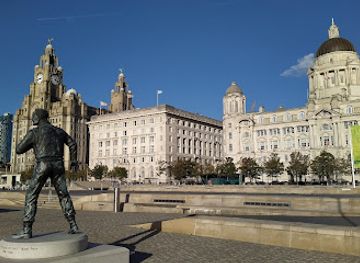
The Liverbird Monument stands amidst Liverpool’s historic waterfront, part of the famed 'Three Graces' ensemble alongside the Port of Liverpool and Cunard Buildings. The Royal Liver Building, crowned by the Liver Birds, was one of the first large-scale reinforced concrete buildings globally and remains a landmark of architectural innovation. The monument at St Nicholas Place thus connects visitors not only to Liverpool’s mythic symbol but also to its rich architectural and industrial heritage, reflecting the city’s evolution as a major port and cultural hub.Enduring Presence in Modern Liverpool
Today, the Liverbird continues to be a powerful emblem throughout Liverpool, appearing in public art, memorials, and popular culture. It is a unifying symbol that transcends sport, history, and art, representing the city’s spirit of endurance and pride. The monument at St Nicholas Place serves as a tangible reminder of Liverpool’s unique identity, inviting visitors to reflect on its storied past and vibrant present.Connection to the Community and Beyond
Beyond its physical presence, the Liverbird embodies Liverpool’s community values and maritime legacy. It links the city’s past with its future, inspiring local legends, music, and cultural expressions. The statue at St Nicholas Place stands as a beacon of Liverpool’s heritage, welcoming all who come to experience the city’s rich tapestry of history, myth, and resilience.












Your all‑in‑one travel companion app
Explore expert travel guides, compare and book tours, experiences, hotels, and more—all from the palm of your hand. Download now for seamless trip planning wherever your wanderlust takes you.


Explore More of Liverpool
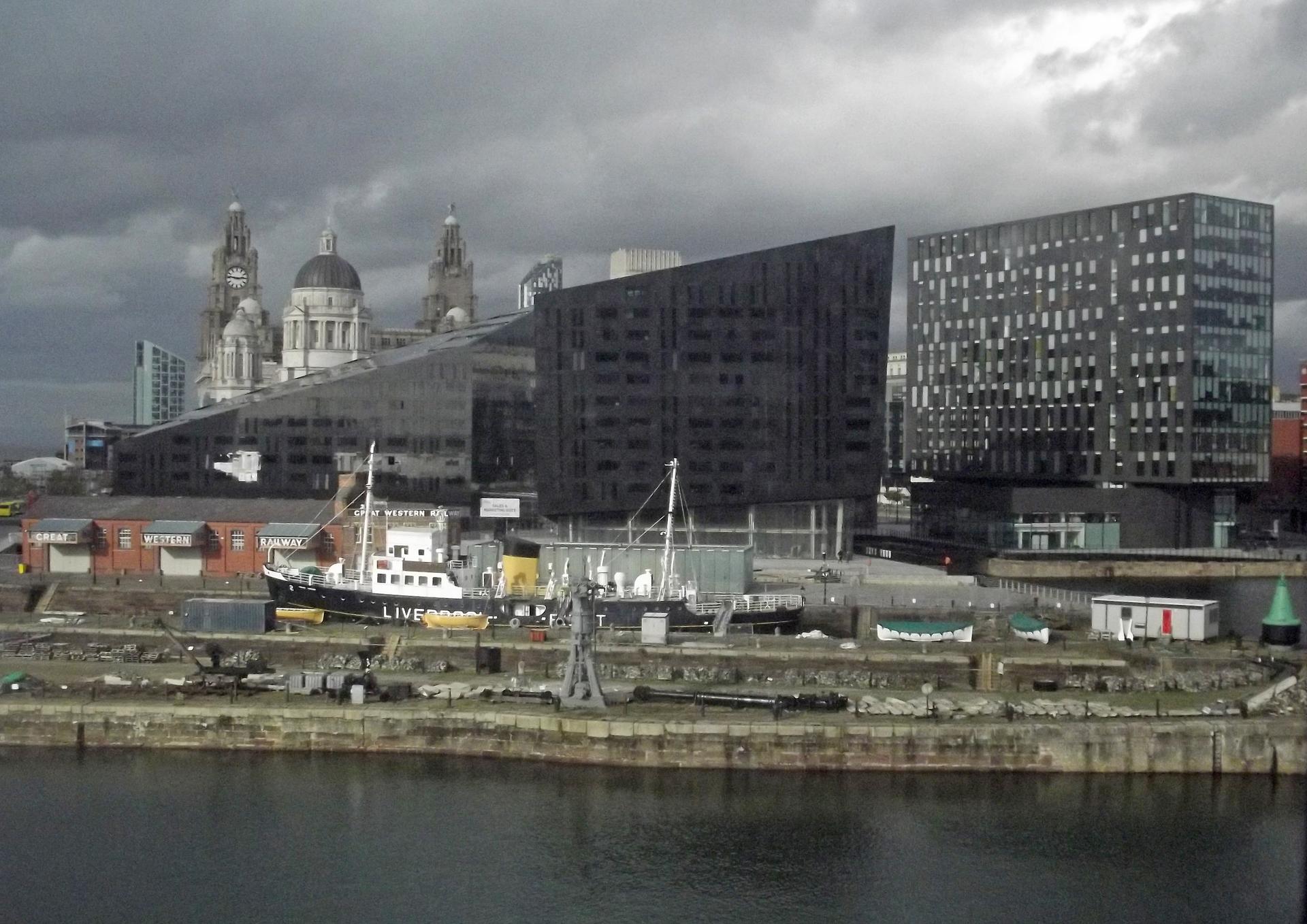
Looking beyond Liverbird Monument? Discover Liverpool for broader travel guides, local hot-spots, and regional highlights.
Explore Liverpool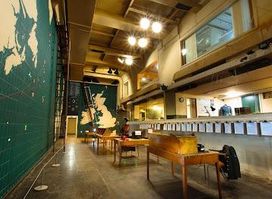
Explore Liverpool’s secret WWII bunker that directed the Battle of the Atlantic and safeguarded vital convoys beneath the city’s streets.
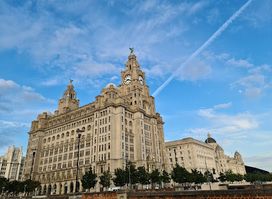
Discover Liverpool’s iconic waterfront marvel, the Royal Liver Building, with its legendary Liver Birds, panoramic views, and rich maritime heritage.
