

Port Sunlight, Liverpool Travel Guide
Discover Port Sunlight, a pioneering garden village blending industrial heritage, unique architecture, and lush green spaces on the Wirral Peninsula.
Port Sunlight is a historic model village on the Wirral Peninsula, created in the late 19th century by William Hesketh Lever to house workers of his soap factory. Known for its unique architecture, lush green spaces, and cultural amenities, the village blends industrial heritage with garden city ideals, featuring over 800 distinctive homes, the Lady Lever Art Gallery, and communal facilities designed to improve workers’ wellbeing and foster community spirit.
A brief summary to Port Sunlight
- Wirral, Port Sunlight, Birkenhead, GB
- Duration: 1 to 3 hours
- Budget
-
 Outdoor
- Mobile reception: 4 out of 5

Know before you go
Hi, I'm Eve. Here are a few practical things to know before exploring Port Sunlight.
- Visit the Lady Lever Art Gallery to explore an impressive collection of fine and decorative arts linked to the village’s founder.
- Take a leisurely stroll along The Diamond boulevard to enjoy the rose garden and the poignant war memorial.
- Explore the village museum to learn about the social history and planning innovations of Port Sunlight.
- Check out Hulme Hall for its Beatles heritage, including Ringo Starr’s debut and the band’s first broadcast interview.
Do you manage this location?
Take control to get all the benefits, like improved information, better appearance, and stronger visibility across AI-powered discovery. Learn more about listing your business on Evendo
Activate your presenceOther nearby places you may find interesting
The closest places of the same kind, if this one is not quite what you had in mind.

Explore Port Sunlight on the Map
A handpicked selection of must-see spots near Port Sunlight, mapped for you.
Unlock the Best of Port Sunlight
Buy tickets
-
No tickets available
Book tours with entry


Book tours without entry
-
No tours available
Getting There
-
Train
Take a train to Bebington Station from Liverpool Lime Street or Chester; travel time ranges from 15 to 30 minutes. From Bebington, a 20-minute walk or local bus ride leads to Port Sunlight. Trains run frequently but check schedules for weekend service variations. Ticket prices typically range from £4 to £8 one way.
-
Bus
Multiple bus routes serve the Wirral area, including services from Birkenhead and Liverpool city center. Journey times vary from 30 to 50 minutes depending on the route. Buses operate regularly during the day but less frequently in evenings and weekends. Single fares cost approximately £3 to £5.
-
Car
Driving to Port Sunlight via the M53 motorway is straightforward, with journey times between 20 and 40 minutes from Liverpool or Chester depending on traffic. Limited on-street parking is available, and some areas may require permits. Fuel costs vary; expect around £5 to £10 for a round trip.
For the on-the-go comforts that matter to you
-
 Restrooms
-
 Drink Options
-
 Food Options
-
 Seating Areas
-
 Information Boards
Discover more about Port Sunlight
A Visionary Industrial Utopia
Port Sunlight was founded in 1888 by William Hesketh Lever, later Lord Leverhulme, as a model village to accommodate workers from his Lever Brothers soap factory. Lever’s vision went beyond providing mere housing; he sought to create a healthy, liveable environment that combined industrial efficiency with social welfare. The village was built on 56 acres of marshy land near the River Mersey, chosen for its flat terrain, room for expansion, and strategic access to transport links. Lever personally oversaw the planning, employing nearly thirty architects to design over 800 unique houses between 1899 and 1914, each with distinct architectural details and arranged to maximize green space and sunlight.Architectural and Landscape Excellence
Port Sunlight’s architecture reflects influences from the Arts and Crafts movement, emphasizing craftsmanship, aesthetics, and harmony with nature. The houses are arranged mostly on one side of the roads, overlooking broad meadows, parks, and tree-lined avenues. The village includes notable public buildings such as the Lady Lever Art Gallery, a church, a concert hall, a temperance hotel, schools, and a cottage hospital. The Diamond, a central boulevard, features a rose garden and a war memorial honoring both men and women affected by war. Green spaces like The Dell and the village green provide communal areas for recreation and events, underscoring Lever’s belief in the health benefits of fresh air, flowers, and open space.Community and Welfare Innovations
Port Sunlight was designed as a socially cohesive community with welfare schemes supporting education, health, and leisure. Lever introduced recreational clubs, evening classes at the Technical Institute, and encouraged cultural engagement through art, literature, and music. The village fostered a flattened social hierarchy where workers of all levels could mingle, exemplified by the Co-Partners’ Club. Until the 1980s, residency was restricted to factory employees and their families, with rents deducted from wages, reinforcing a paternalistic but supportive environment. The village’s design and social model influenced the Garden City Movement and modern town planning.Cultural Legacy and Notable Events
Port Sunlight holds a special place in British cultural history. Hulme Hall, within the village, was the venue for Ringo Starr’s official debut as a member of The Beatles in 1962 and hosted the band’s first broadcast interview. The Lady Lever Art Gallery, opened in 1922 by Princess Beatrice, houses Lever’s extensive art collection alongside contemporary works, making it a cultural highlight. The village museum preserves the rich history and heritage of Port Sunlight, offering insights into the lives of its residents and the visionary ideals behind its creation.Modern-Day Preservation and Living
Today, Port Sunlight remains a vibrant residential community, with many original houses preserved and maintained by the Port Sunlight Village Trust. The village continues to attract residents who value its unique blend of architectural beauty, green spaces, and cultural heritage. While the factory no longer exclusively defines the village, the legacy of Lever’s philanthropic industrialism endures, making Port Sunlight a treasured example of early social housing and garden suburb planning.Influence on Urban Planning
Port Sunlight’s innovative approach to worker housing and community welfare set a precedent for future developments. Its integration of open spaces, varied architecture, and social amenities influenced the Garden City Movement and shaped suburban planning throughout the 20th century. The village’s emphasis on wellbeing, aesthetics, and community remains a model for sustainable and humane urban design worldwide.












Your all‑in‑one travel companion app
Explore expert travel guides, compare and book tours, experiences, hotels, and more—all from the palm of your hand. Download now for seamless trip planning wherever your wanderlust takes you.


Explore More of Liverpool
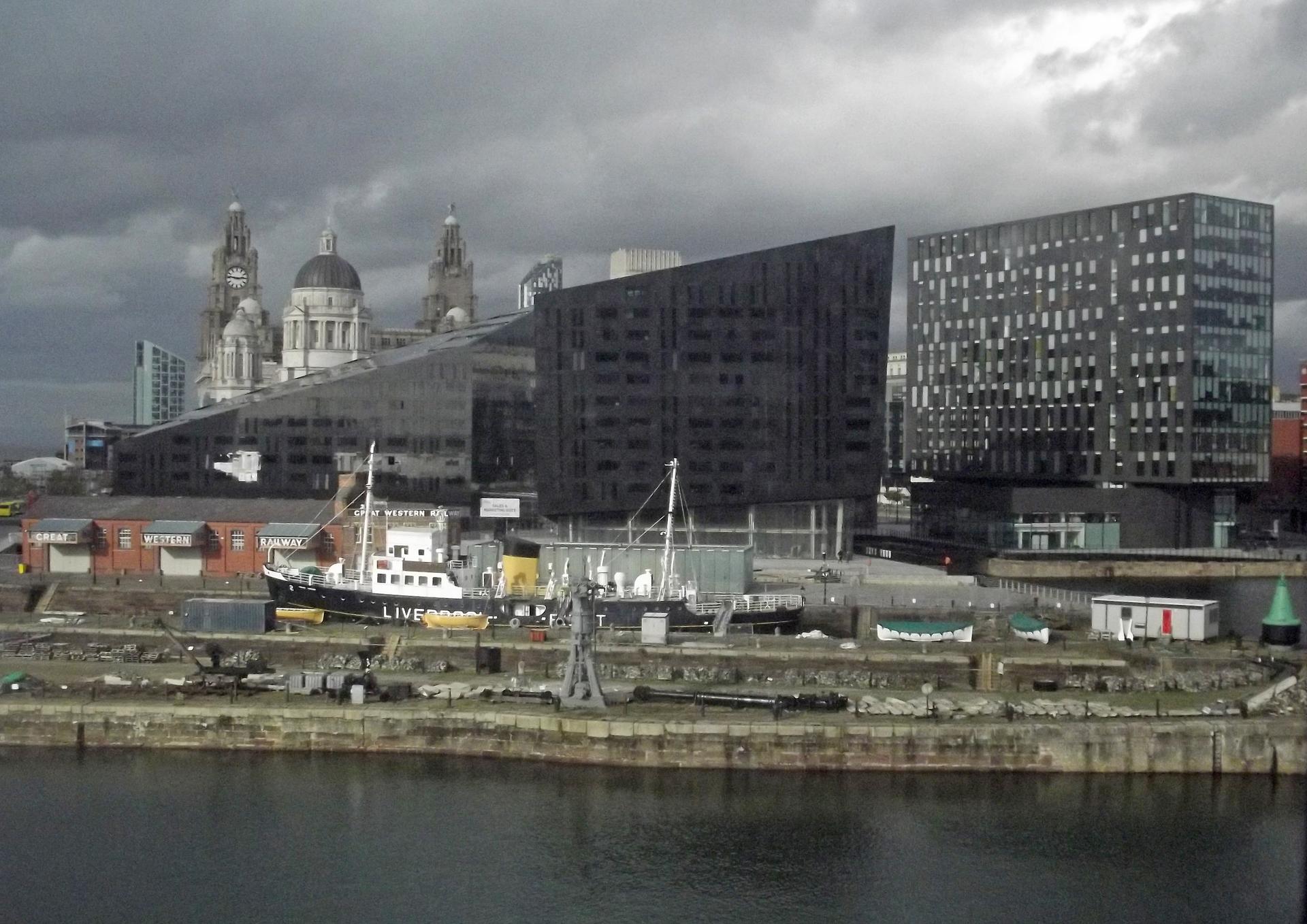
Looking beyond Port Sunlight? Discover Liverpool for broader travel guides, local hot-spots, and regional highlights.
Explore Liverpool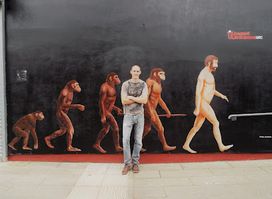
A vibrant street art mural in Liverpool’s Baltic Triangle depicting humanity’s journey from primates to modern learners, celebrating growth and education.

A vibrant, large-scale mural celebrating Ringo Starr’s Liverpool roots and musical legacy, located near his childhood home in Toxteth.
