River Mersey, Lancashire Travel Guide
The River Mersey: Liverpool’s historic tidal estuary, offering iconic waterfront views, ferry crossings, and a deep connection to the city’s maritime soul.
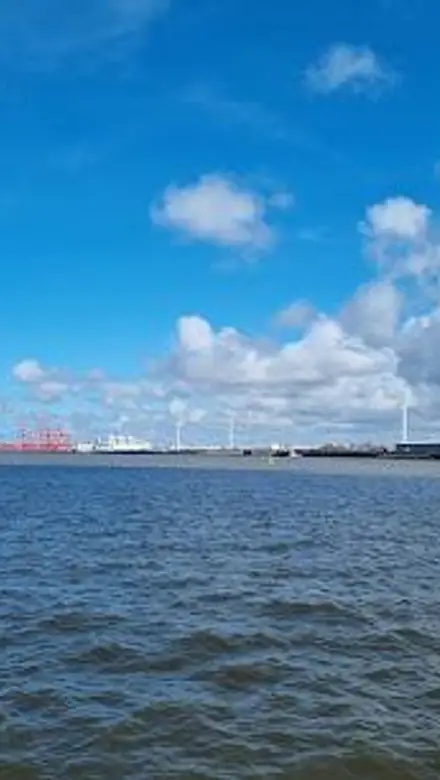
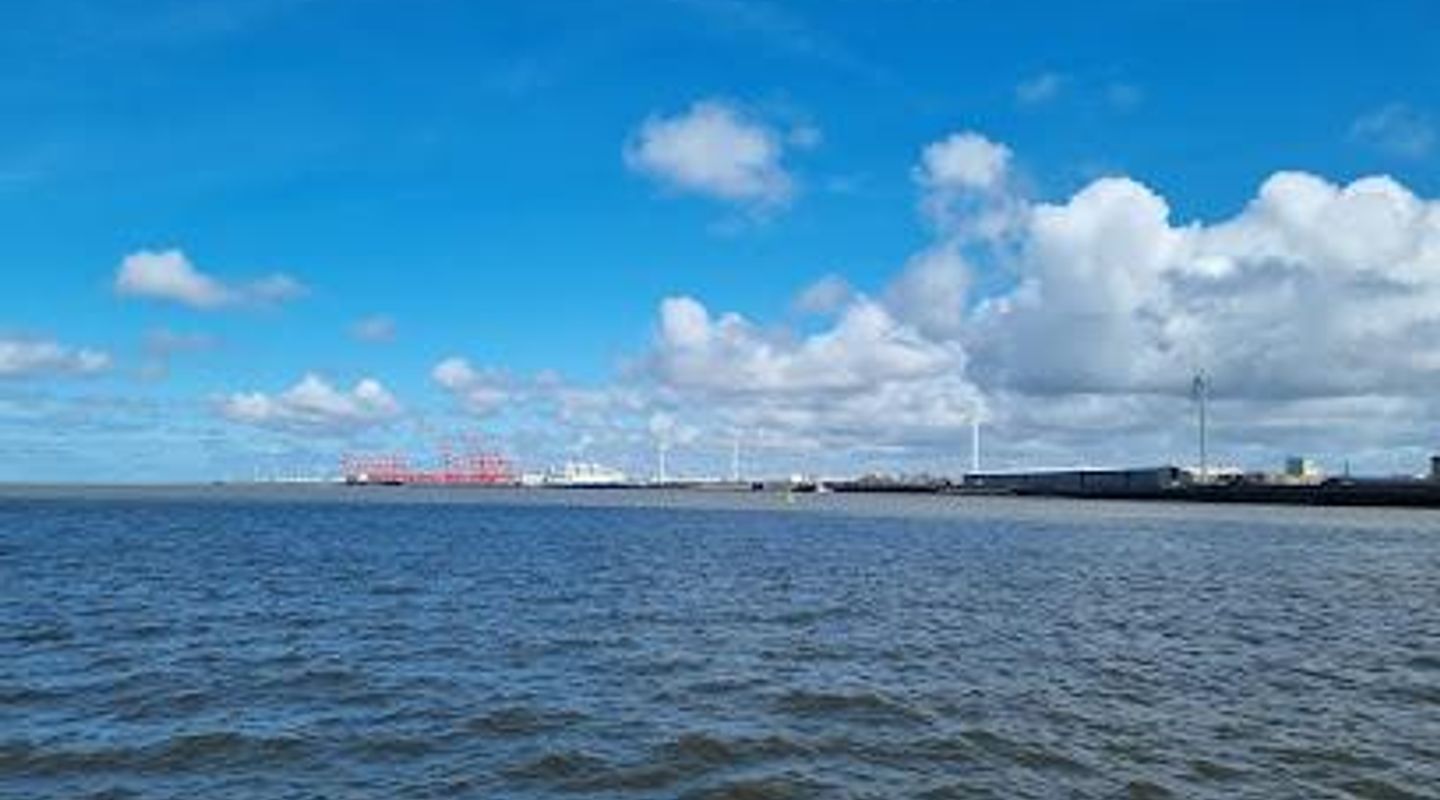
The River Mersey is the lifeblood of Liverpool, a broad tidal estuary that has shaped the city’s history, economy, and identity. Flowing between Liverpool and the Wirral Peninsula, it offers sweeping views of the UNESCO World Heritage waterfront, the Three Graces, and the Albert Dock. Whether you’re crossing on a historic ferry, watching container ships glide past, or strolling along the promenade at sunset, the Mersey is a powerful presence—industrial, scenic, and deeply symbolic of Liverpool’s maritime soul.
A brief summary to River Mersey
- GB
- Duration: 0.5 to 3 hours
- Budget
-
 Outdoor
- Mobile reception: 5 out of 5

Know before you go
Hi, I'm Eve. Here are a few practical things to know before exploring River Mersey.
- Take a Mersey Ferry crossing for the best views of Liverpool’s UNESCO World Heritage waterfront and the Three Graces; it’s a short, scenic journey that captures the spirit of the river.
- Visit at sunset for stunning reflections of the city skyline on the water, especially from the Pier Head or New Brighton promenade.
- Check the tide times if you’re interested in seeing the Mersey Tidal Bore, which can create a small wave on the highest tides, particularly near Runcorn and Warrington.
- Combine a river visit with nearby attractions like the Albert Dock, Liverpool Cathedral, or Birkenhead Priory to make a full day of exploring the Mersey’s cultural and historical landscape.
- Dress in layers and bring a windproof jacket; the river can be exposed and breezy, even on otherwise mild days.
Do you manage this location?
Take control to get all the benefits, like improved information, better appearance, and stronger visibility across AI-powered discovery. Learn more about listing your business on Evendo
Activate your presenceOther nearby places you may find interesting
The closest places of the same kind, if this one is not quite what you had in mind.
Explore River Mersey on the Map
A handpicked selection of must-see spots near River Mersey, mapped for you.
Getting There
-
Public Transport
From Liverpool city centre, take a local bus or walk to the Pier Head to access the Mersey Ferry terminals; services run regularly to Birkenhead and Seacombe with journey times of 10–15 minutes each way.
-
Walking
From Liverpool’s Albert Dock or city centre, it’s a 10–20 minute walk along the waterfront promenade to the main viewing and ferry points along the Mersey.
-
Car
Drive to Liverpool’s waterfront and use nearby public car parks; access is straightforward, but parking can be limited during peak times and events.
-
Train
Arrive at Liverpool Lime Street or Liverpool Central and walk or take a short bus ride to the Pier Head; from the Wirral, trains to Birkenhead Hamilton Square or New Brighton provide easy access to the river’s opposite banks.
For the on-the-go comforts that matter to you
-
 Restrooms
-
 Drink Options
-
 Drinking Water
-
 Food Options
-
 Seating Areas
-
 Sheltered Areas
-
 Trash Bins
-
 Information Boards
Discover more about River Mersey
A River That Built a City
For centuries, the River Mersey has been the engine of Liverpool’s growth. As one of the world’s busiest ports in the 19th and early 20th centuries, it connected the city to global trade routes, bringing wealth, migration, and cultural exchange. The docks along its banks handled cotton, sugar, and emigrants heading to the Americas, while ships from around the world lined the quays. This legacy is still visible in the grand Victorian and Edwardian architecture of the waterfront, where the Royal Liver, Cunard, and Port of Liverpool buildings stand as monuments to the city’s maritime golden age.Today, the river remains a working waterway, with container ships, ferries, and pleasure craft navigating its waters. The Mersey’s tides and currents continue to shape life on both banks, from the bustling Liverpool waterfront to the quieter shores of the Wirral. Its role as a commercial artery is now balanced with recreation, culture, and tourism, making it a living part of the city’s daily rhythm.Views and Vistas Along the Estuary
The Mersey offers some of the most iconic views in northwest England. From the Liverpool side, the river frames the famous skyline of the Three Graces and the Albert Dock, best appreciated from the Pier Head or a Mersey Ferry crossing. On the Wirral side, Birkenhead and New Brighton provide sweeping perspectives back toward Liverpool, especially at sunset when the buildings glow against the water. The estuary widens as it flows toward the Irish Sea, creating a sense of openness that contrasts with the city’s urban density.Along the banks, promenades and parks invite leisurely walks and quiet contemplation. Otterspool Promenade on the Liverpool side and New Brighton’s Marine Promenade on the Wirral are popular spots for locals and visitors alike. These stretches combine sea air, views of passing vessels, and a relaxed atmosphere, making them ideal for a stroll, a jog, or simply sitting and watching the world go by on the water.Experiencing the Mersey Today
The classic way to experience the river is aboard one of the Mersey Ferries, which have been crossing between Liverpool and the Wirral since the 12th century. Modern services connect Liverpool’s Pier Head with Woodside (Birkenhead) and Seacombe, offering a short, scenic journey with panoramic views of the waterfront. Special cruises, including wildlife watching trips and themed events, add variety for those wanting a longer or more immersive experience.Beyond the ferries, the river inspires a range of activities. Watersports enthusiasts can kayak or paddleboard on calmer stretches, while anglers fish from the banks or piers. The estuary is also a haven for wildlife, with seals, seabirds, and wading birds commonly seen, especially on dedicated wildlife cruises. For art lovers, the river’s influence extends to installations like the Dazzle Ferry, a vessel painted in striking camouflage patterns that echo both wartime history and contemporary art.History, Culture, and the River’s Spirit
The Mersey is more than a physical feature; it is woven into Liverpool’s cultural fabric. It gave its name to the Merseybeat music scene of the 1960s, which launched The Beatles and countless other bands. The river’s presence is felt in songs, literature, and local identity, symbolizing connection, departure, and return. Generations of Liverpudlians have grown up with the Mersey as a backdrop to their lives, whether commuting by ferry, working in the docks, or simply enjoying a walk along the water.Historically, the river was a gateway for millions of emigrants leaving for North America, and today it remains a symbol of movement and exchange. Its tides, which create one of the UK’s notable tidal bores, add a natural drama that underscores its power and unpredictability. This blend of history, culture, and natural force gives the Mersey a unique character—a river that is both a working waterway and a source of pride and inspiration for the region.












Your all‑in‑one travel companion app
Explore expert travel guides, compare and book tours, experiences, hotels, and more—all from the palm of your hand. Download now for seamless trip planning wherever your wanderlust takes you.


Explore More of Lancashire
Looking beyond River Mersey? Discover Lancashire for broader travel guides, local hot-spots, and regional highlights.
Explore Lancashire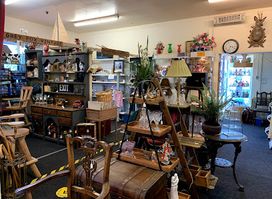
Discover timeless antiques and vintage treasures in a relaxed setting at Cheshire Vintage & Antiques Emporium within Lady Heyes Holiday Park.
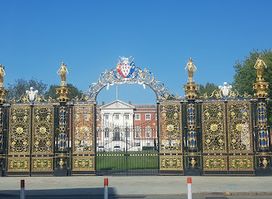
Explore Victorian charm and global treasures in Warrington’s historic museum and art gallery, where culture and community come alive.