Salthouse Quay, Liverpool Travel Guide
Historic Liverpool dock with scenic waterside moorings, rich maritime heritage, and vibrant connections to the Royal Albert Dock waterfront.
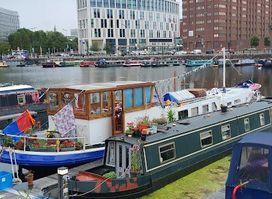
Salthouse Quay is a historic dock located in Liverpool’s southern dock system, adjacent to the iconic Royal Albert Dock. Opened in 1753, it is Liverpool’s oldest existing dock, featuring Grade II listed masonry and a rich maritime heritage. Today, it serves as a charming mooring site for small boats and a scenic spot connecting visitors to the city’s vibrant waterfront attractions.
A brief summary to Salthouse Quay
- Liverpool, GB
- Duration: 0.5 to 2 hours
- Budget
-
 Outdoor
- Mobile reception: 4 out of 5

Know before you go
Hi, I'm Eve. Here are a few practical things to know before exploring Salthouse Quay.
- Visit during daylight hours to fully appreciate the historic masonry and waterfront views.
- Combine your visit with a walk to the nearby Royal Albert Dock for museums, dining, and cultural experiences.
- If arriving by boat, book mooring space in advance through the Canal & River Trust.
- Explore the dock’s naval history by learning about HMS Eaglet, once based here.
Do you manage this location?
Take control to get all the benefits, like improved information, better appearance, and stronger visibility across AI-powered discovery. Learn more about listing your business on Evendo
Activate your presenceOther nearby places you may find interesting
The closest places of the same kind, if this one is not quite what you had in mind.

Explore Salthouse Quay on the Map
A handpicked selection of must-see spots near Salthouse Quay, mapped for you.
Unlock the Best of Salthouse Quay
Buy tickets
-
No tickets available
Book tours with entry
-
No tours available
Book tours without entry

Getting There
-
Public Transport
Take the Merseyrail train to James Street Station, approximately 15-20 minutes from Liverpool Lime Street Station. From James Street, it’s a 10-minute walk along the waterfront to Salthouse Quay. Trains run frequently with tickets costing around £2-£4 GBP.
-
Bus
Several local buses serve the city center with stops near the Royal Albert Dock area. From Liverpool One Bus Station, buses 82, 86, and 500 reach stops within a 10-minute walk of Salthouse Quay. Journey times vary between 10-20 minutes; single fares cost about £2-£3 GBP.
-
Ferry
The Mersey Ferry from the Pier Head to the nearby ferry terminal offers a scenic 10-minute ride. From the ferry terminal, it’s a 9-minute walk to Salthouse Quay. Ferry tickets cost approximately £4-£6 GBP.
-
Walking
If staying in Liverpool city center, walking to Salthouse Quay takes around 20-30 minutes via flat, paved waterfront paths. The route is accessible and offers scenic views along the way.
For the on-the-go comforts that matter to you
-
 Restrooms
-
 Drinking Water
-
 Seating Areas
-
 Trash Bins
-
 Information Boards
Discover more about Salthouse Quay
Origins and Maritime Legacy
Salthouse Quay, originally known as South Dock, was designed by Thomas Steers in the early 18th century and completed in 1753 by Henry Berry. Its name derives from the nearby saltworks operated by John Blackburne, reflecting the dock’s original role as a key transit terminal for the salt industry. It also handled agricultural goods from Ireland and the Mediterranean, playing a vital role in Liverpool’s rise as a major port city. The dock’s historic significance is underscored by surviving masonry from its earliest construction phase and its Grade II listed dock walls.Architectural Features and Surroundings
The dock’s granite stone gable and arch entrance, built by Jesse Hartley, remain a striking feature at the south-east corner. Salthouse Quay is connected to other docks in the southern system, including Canning Dock, Wapping Dock, and the world-renowned Royal Albert Dock. This proximity places it within Liverpool’s UNESCO World Heritage maritime area, surrounded by renovated warehouses, museums, and vibrant waterfront spaces that blend historic charm with modern leisure.Contemporary Use and Amenities
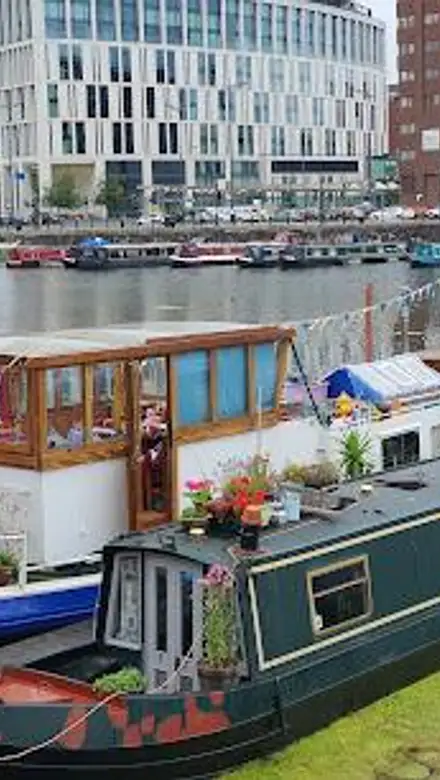
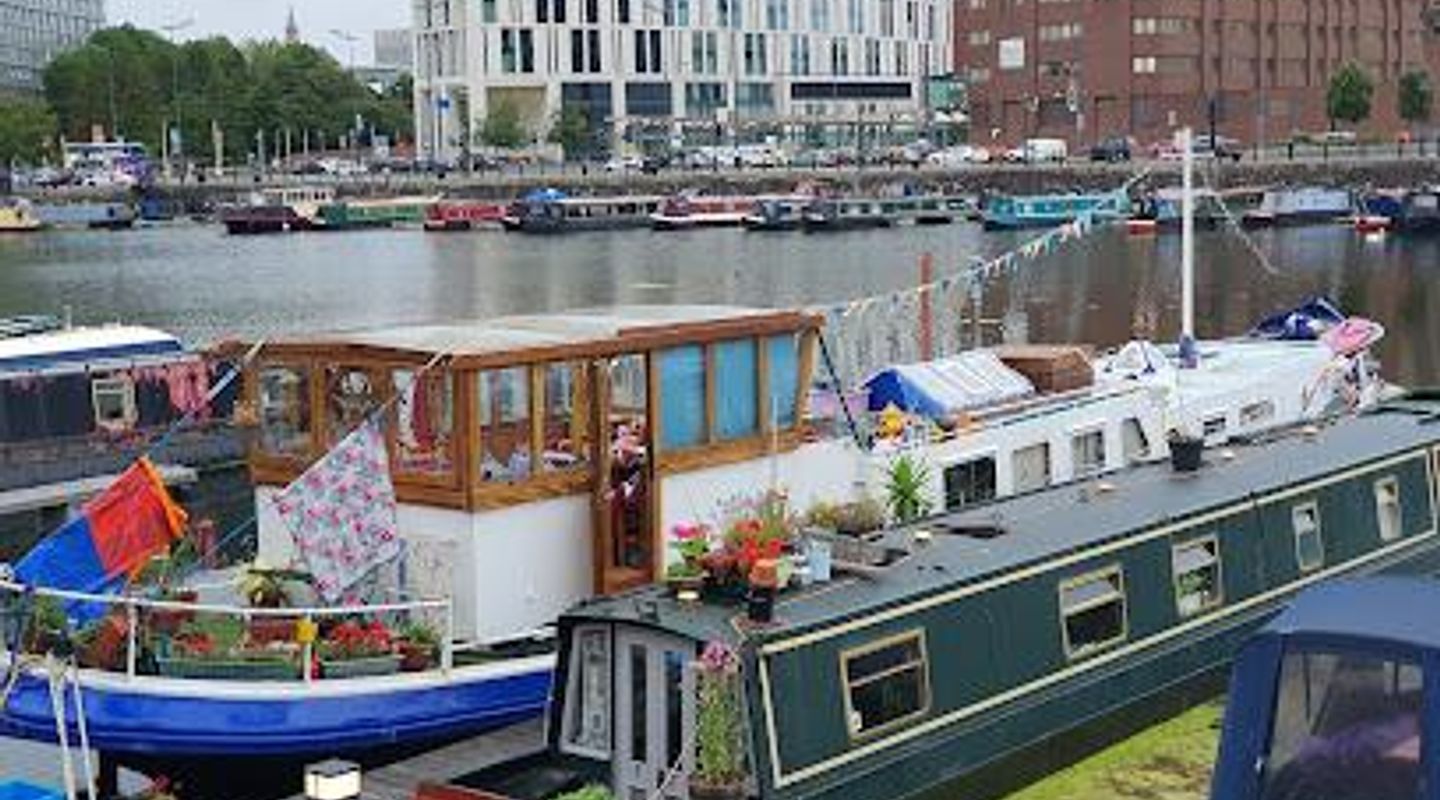
Since its closure as a commercial dock in 1972, Salthouse Quay has been repurposed primarily for leisure. It offers pontoon moorings with electric and water supplies for small boats, managed under the Canal & River Trust. Visitors can enjoy scenic views of the River Mersey and easy access to nearby attractions such as the Royal Albert Dock’s galleries, restaurants, and cultural venues. Public amenities including toilets and limited shower facilities are available nearby, enhancing the visitor experience.Cultural and Recreational Context
Salthouse Quay sits within a lively area rich in cultural heritage and maritime history. Its location near the Royal Albert Dock makes it an ideal spot for exploring Liverpool’s storied waterfront, including the Tate Liverpool, Merseyside Maritime Museum, and the Beatles Story museum. The dock area hosts festivals and events, adding to its vibrant atmosphere. The waterspace is also part of the Leeds and Liverpool Canal extension, linking it to broader waterways and recreational boating routes.Historic Transport Links and Legacy
Historically, the dock was served by the Liverpool Overhead Railway, with Custom House railway station (later renamed Canning) located at its north-east corner. The dock also housed the Royal Navy training ship HMS Eaglet for much of the 20th century, highlighting its naval connections. Though commercial and military use has ceased, these layers of history contribute to the dock’s unique character and appeal.Visitor Experience and Atmosphere
Today, Salthouse Quay offers a tranquil yet engaging waterfront environment. Visitors can enjoy peaceful waterside walks, watch boats moored along the pontoons, and soak in views of Liverpool’s skyline and historic docks. The blend of heritage and leisure makes it a distinctive destination for those interested in maritime history, urban exploration, and scenic waterfronts.












Your all‑in‑one travel companion app
Explore expert travel guides, compare and book tours, experiences, hotels, and more—all from the palm of your hand. Download now for seamless trip planning wherever your wanderlust takes you.


Explore More of Liverpool
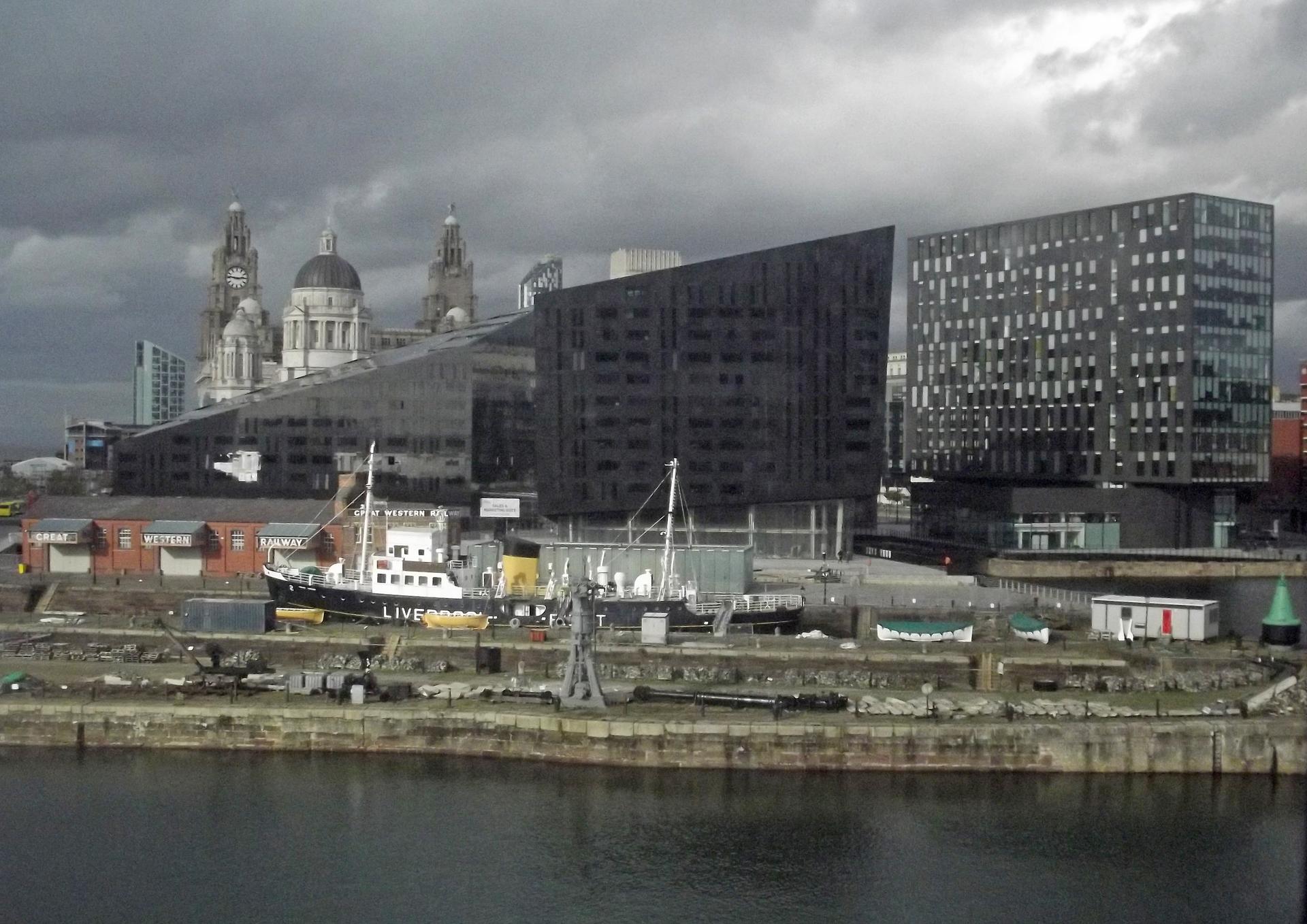
Looking beyond Salthouse Quay? Discover Liverpool for broader travel guides, local hot-spots, and regional highlights.
Explore Liverpool