
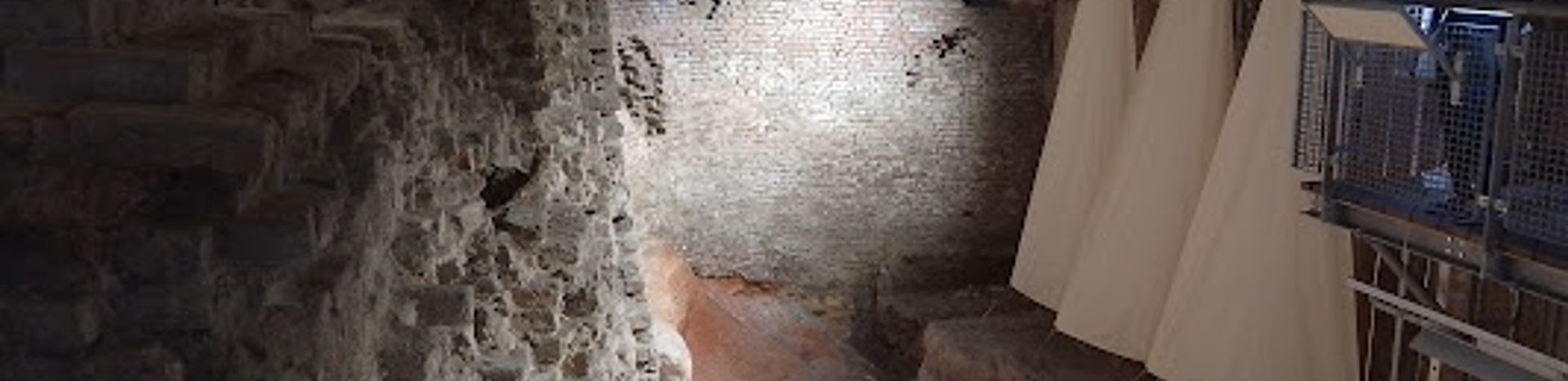
Viewing Window to the Old Dock, Liverpool
Discover the world’s first commercial wet dock beneath Liverpool One, a gateway to the city’s maritime heritage and trading legacy.
The Viewing Window to the Old Dock in Liverpool offers a rare glimpse into the world's first commercial enclosed wet dock, constructed between 1710 and 1715. Rediscovered beneath Liverpool One shopping centre in 2001, this historic site reveals the origins of Liverpool’s rise as a major international trading port. The preserved dock, located at 2 Thomas Steers Way, showcases the innovative engineering that revolutionized maritime trade by allowing ships to load and unload independently of tides.
A brief summary to Viewing window to the Old Dock
- 2 Thomas Steers Way, Liverpool, L1 8LW, GB
- Duration: 0.5 to 1.5 hours
- Free
-
 Outdoor
- Mobile reception: 4 out of 5
Local tips
- Visit the viewing window early in the day to avoid crowds and enjoy a quiet moment reflecting on Liverpool’s maritime history.
- Combine your visit with a walk around the nearby Royal Albert Dock to explore Liverpool’s rich dockland culture and museums.
- Wear comfortable shoes as the surrounding area features cobbled streets and urban terrain.
- Check out guided tours offered nearby to gain deeper insights into the Old Dock and Liverpool’s port evolution.

For the on-the-go comforts that matter to you
- Information Boards
- Seating Areas
- Trash Bins
Getting There
-
Train
From Liverpool Lime Street Station, take a taxi or bus for a 10-15 minute journey to 2 Thomas Steers Way. Train services are frequent, but note the short onward trip by road due to the dock’s central city location. Taxi fares typically range from £5 to £10.
-
Bus
Several city bus routes stop near Liverpool One shopping centre, within a 5-minute walk of the Old Dock viewing window. Bus travel times vary from 15 to 25 minutes from central Liverpool locations. Tickets cost approximately £2.50 per ride.
-
Walking
If staying in central Liverpool, the Old Dock viewing window is accessible on foot within 15-25 minutes, depending on your starting point. The route includes urban pavements and some cobbled areas, suitable for most walkers.
Viewing window to the Old Dock location weather suitability
-
 Any Weather
-
 Rain / Wet Weather
-
 Clear Skies
-
 Mild Temperatures
Discover more about Viewing window to the Old Dock
The Birth of Liverpool's Maritime Revolution
The Old Dock, completed in 1715, stands as a landmark in maritime history as the world's first commercial enclosed wet dock. Designed by civil engineer Thomas Steers, it transformed Liverpool from a modest port into a global trading powerhouse. Prior to its construction, ships were forced to wait for tides to unload cargo, a process that could take weeks. The dock's innovative design allowed vessels to load and unload within days, dramatically accelerating trade and commerce.Engineering Marvel Beneath the City
Located beneath the modern Liverpool One shopping complex, the Old Dock was rediscovered in 2001 during redevelopment. Its brick quay walls rest on sandstone bedrock, and the dock originally covered 3.5 acres, accommodating up to 100 ships at once. Though now mostly underground and inaccessible for direct exploration, a viewing window allows visitors to appreciate this pioneering feat of engineering that set the stage for Liverpool’s extensive dock network.Impact on Liverpool and Global Trade
The dock’s success shifted trade dominance away from older ports like Bristol and Chester, propelling Liverpool to become the second largest port in England after London. It was central to the triangular trade between Europe, Africa, and the Americas, significantly influencing the transatlantic slave trade and later cotton and textile commerce. By the late 18th century, Liverpool handled a substantial share of the world’s maritime trade, with the Old Dock as the catalyst.Decline and Preservation
By the early 19th century, the Old Dock was deemed too small and outdated for the increasing size of ships and volume of trade. It was closed and filled in 1826, replaced by larger docks extending into the River Mersey. The site later hosted Liverpool’s fourth Custom House, which was destroyed during World War II. Today, the preserved remnants beneath Liverpool One serve as a poignant reminder of the city’s maritime heritage and industrial ingenuity.Experiencing the Old Dock Today
Visitors can view the Old Dock through a dedicated viewing window at 2 Thomas Steers Way, Liverpool. This site offers a unique perspective on early 18th-century dock construction and Liverpool’s commercial origins. Nearby, the vibrant waterfront and historic docklands provide a rich cultural context, linking the past to the present in this dynamic port city.Legacy of Innovation and Growth
The Old Dock’s pioneering enclosed design influenced dock construction worldwide and marked the beginning of Liverpool’s transformation into a global maritime hub. Its preservation beneath a bustling modern shopping centre symbolizes the city’s respect for its history while embracing contemporary urban life. The dock remains a testament to visionary engineering and Liverpool’s enduring role in international trade.For the vibe & atmosphere seeker
- Historic
- Tranquil
- Scenic
- Unique
For the design and aesthetic lover
- Vintage Styles
- Rustic Designs
For the architecture buff
- Historic
- Heritage Neighborhoods
For the view chaser and sunset hunter
- Iconic Views
For the social media creator & influencer
- Photo Spots
- Architectural Shots
For the eco-conscious traveler
- Protected Area
- Public-Transport Accessible
- Locally Managed
For the kind of experience you’re after
- Cultural Heritage
- Photowalk
- Day Trip
- Weekend Getaway
For how adventurous you want the journey to be
- Easy Access
Location Audience
- Family Friendly
- Senior Friendly
- Child Friendly
- Teen Friendly
- Wheelchair Access
- Solo Friendly
- Couple Friendly
- Solo Female Friendly


