
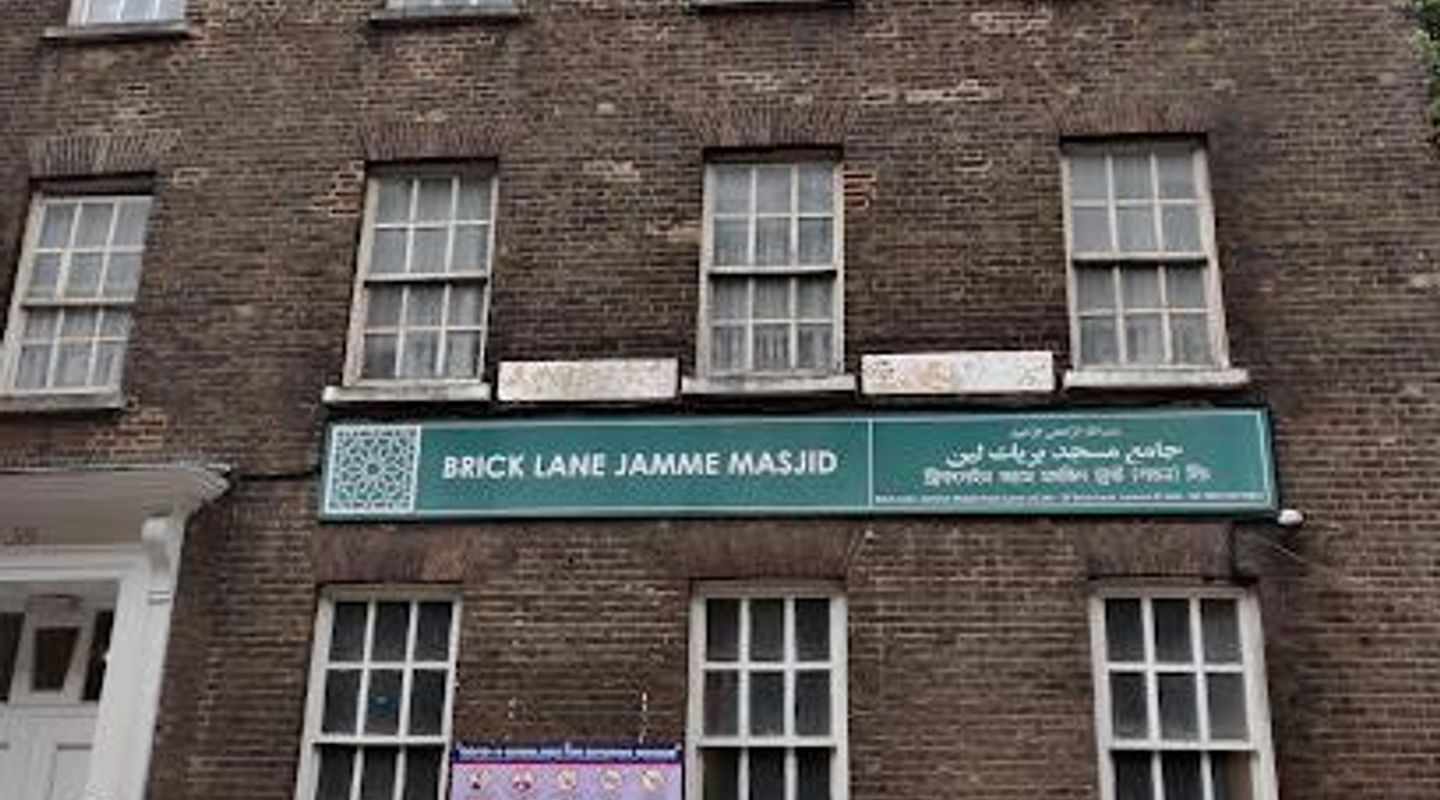
Brick Lane Mosque, London Travel Guide
Brick Lane Jamme Masjid: A historic mosque embodying centuries of faith, migration, and community in East London’s vibrant Spitalfields.
Located at 59 Brick Lane in London’s East End, Brick Lane Jamme Masjid is a mosque housed in a building with a remarkable history spanning nearly 300 years. Originally constructed in 1743 as a French Protestant chapel for Huguenot refugees, it later became a Jewish synagogue before transforming into a mosque serving the Bangladeshi community from 1976 onward. This site embodies the rich cultural and religious layering of Spitalfields, reflecting waves of migration and community resilience.
A brief summary to Brick Lane Mosque
- 59 Brick Ln, London, E1 6QL, GB
- Click to display
- Click to display
- Duration: 0.5 to 1.5 hours
- Free
-
 Indoor
- Mobile reception: 4 out of 5
- Monday 12 pm-9 pm
- Tuesday 12 pm-9 pm
- Wednesday 12 pm-9 pm
- Thursday 12 pm-9 pm
- Friday 11 am-9 pm
- Saturday 11 am-9 pm
- Sunday 12 pm-9 pm

Know before you go
Hi, I'm Eve. Here are a few practical things to know before exploring Brick Lane Mosque.
- Respect the mosque’s prayer times and dress modestly when visiting, as it is an active place of worship.
- Explore nearby Brick Lane for its rich cultural mix, street art, and vibrant food scene reflecting the area's diverse heritage.
- Visit during Ramadan or Islamic festivals to experience special community events and decorations.
- Take time to appreciate the building’s architectural features, including the sundial with the Latin inscription 'Umbra Sumus.'
Do you manage this location?
Take control to get all the benefits, like improved information, better appearance, and stronger visibility across AI-powered discovery. Learn more about listing your business on Evendo
Activate your presenceOther nearby places you may find interesting
The closest places of the same kind, if this one is not quite what you had in mind.

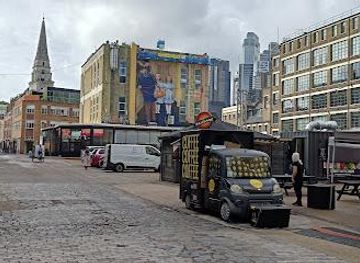
Explore Brick Lane Mosque on the Map
A handpicked selection of must-see spots near Brick Lane Mosque, mapped for you.
Unlock the Best of Brick Lane Mosque
Buy tickets
-
No tickets available
Book tours with entry


Getting There
-
London Underground
Take the London Underground to Aldgate East Station, which is approximately a 10-minute walk from Brick Lane Jamme Masjid. The station is served by the District and Hammersmith & City lines. Trains run frequently, with fares typically ranging from £2.50 to £5 depending on the ticket type.
-
Bus
Several London bus routes, including routes 8, 26, 35, and 205, stop near Brick Lane. Bus travel times vary between 15 and 30 minutes from central London. Buses run regularly throughout the day, and fares cost around £1.75 with an Oyster card or contactless payment.
-
Walking
If you are nearby in Spitalfields or Shoreditch, walking to Brick Lane Jamme Masjid is an excellent option. The terrain is flat and paved, suitable for all fitness levels and wheelchair accessible. Walking times range from 10 to 20 minutes depending on your starting point.
For the on-the-go comforts that matter to you
-
 Restrooms
-
 Seating Areas
-
 Information Boards
Brick Lane Mosque location weather suitability
-
 Any Weather
-
 Rain / Wet Weather
-
 Clear Skies
-
 Mild Temperatures
Discover more about Brick Lane Mosque
Origins in Huguenot Refuge
The building that now serves as Brick Lane Jamme Masjid was originally erected between 1743 and 1744 as the Neuve Eglise, a French Protestant chapel. It was built by Huguenots who fled religious persecution in France following the revocation of the Edict of Nantes in 1685. These skilled silk-weavers established themselves in Spitalfields, bringing both their craft and faith. The chapel’s architecture features a triangular pediment with a sundial inscribed with the Latin phrase "Umbra Sumus" meaning "We are but shadows," a poignant metaphor for the transient yet impactful presence of successive communities.Transformation to a Jewish Synagogue
In the late 19th century, the building was acquired by Orthodox Lithuanian Jews fleeing pogroms in Eastern Europe and Russia. It was converted into the Spitalfields Great Synagogue, known as Machzike Hadath, serving a flourishing Jewish immigrant population. The synagogue became a central spiritual and communal hub, with notable leaders such as Abraham Isaac Kook, who later became the first Ashkenazi chief rabbi of British Mandatory Palestine. Over time, as the Jewish community moved to other parts of London, the synagogue's congregation diminished.The Mosque Era and Bangladeshi Community
By the 1970s, a new wave of immigrants from Bangladesh, primarily from the Sylhet region, settled in the area, many working in the textile industry. In 1976, the building was purchased and repurposed as Brick Lane Jamme Masjid, serving the growing Muslim population. The mosque not only functions as a place of worship but also as a cultural center offering religious education through madrasas and mother tongue Bengali classes for youth. A distinctive minaret-like structure was added in 2009, symbolizing the mosque’s Islamic identity while respecting the building’s layered heritage.Architectural and Cultural Significance
The mosque’s structure is a rare example of religious recycling, reflecting the East End’s history of migration and community evolution. Its plain glass windows, including a large Venetian window and a circular pediment window, emphasize illumination and continuity. The building is a protected historic site, embodying the resilience and integration of diverse immigrant groups over centuries. It stands as a living monument to the cultural palimpsest that defines Brick Lane and Spitalfields.Community and Heritage Legacy
Brick Lane Jamme Masjid is more than a religious site; it represents the enduring spirit of immigrant communities who have shaped East London. From Huguenots to Jews to Bangladeshis, each group has left an indelible mark on the area’s social fabric. The mosque’s presence alongside landmarks like Altab Ali Park commemorates struggles against racism and celebrates multicultural coexistence. It continues to be a focal point for worship, education, and cultural identity in one of London’s most historically rich neighborhoods.Continuity Amid Change
The mosque’s story is one of adaptation and survival, illustrating how places of worship can evolve to meet the needs of changing populations while preserving historical memory. Its motto, "Umbra Sumus," serves as a reminder of the fleeting yet meaningful shadows cast by those who have passed through Brick Lane. Today, the mosque welcomes worshippers and visitors alike, inviting reflection on the layered histories that define London’s East End.












Your all‑in‑one travel companion app
Explore expert travel guides, compare and book tours, experiences, hotels, and more—all from the palm of your hand. Download now for seamless trip planning wherever your wanderlust takes you.


Explore More of London
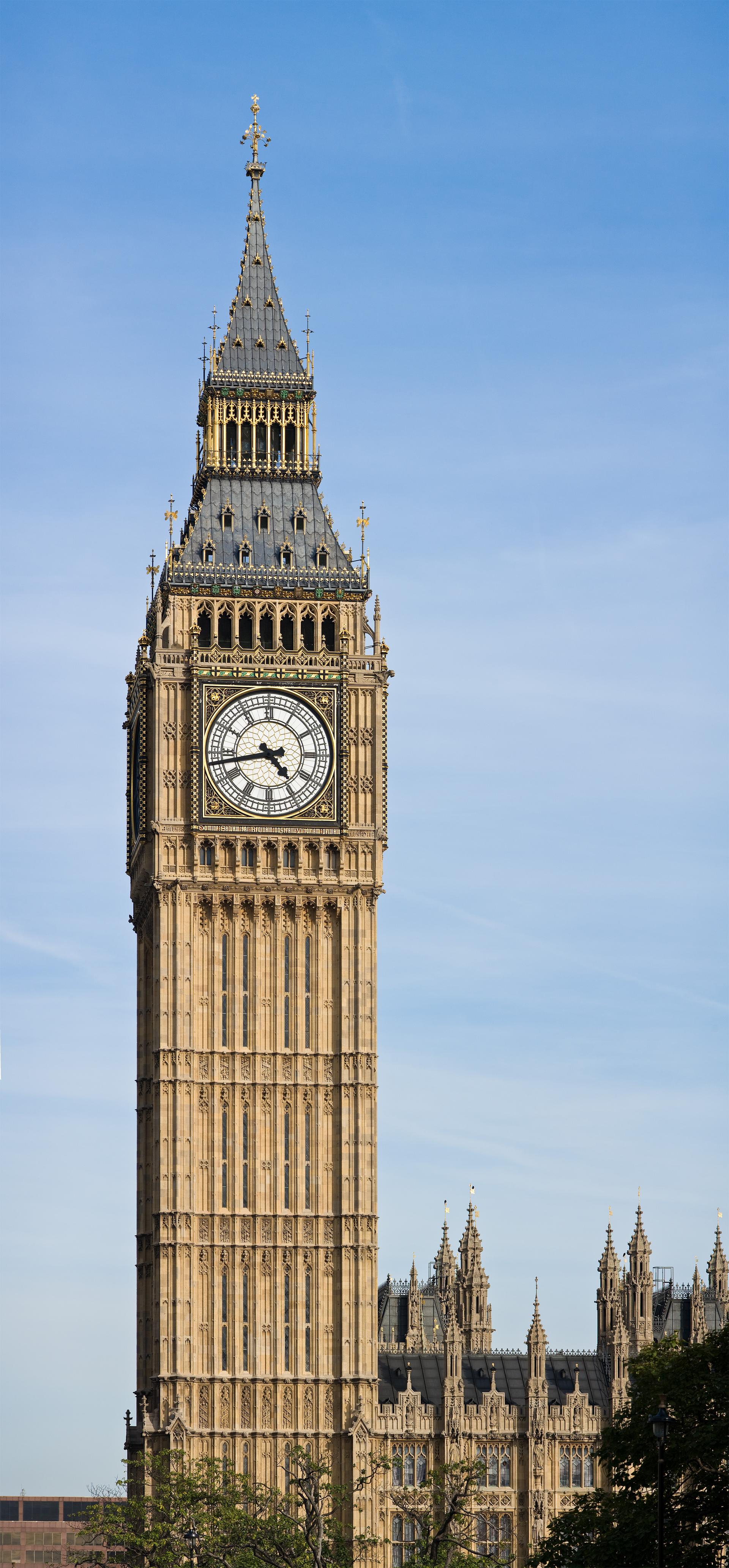
Looking beyond Brick Lane Mosque? Discover London for broader travel guides, local hot-spots, and regional highlights.
Explore London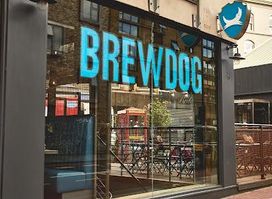
Discover BrewDog Shoreditch: A vibrant bar and restaurant offering craft beers, delicious food, and a lively atmosphere in the heart of East London.
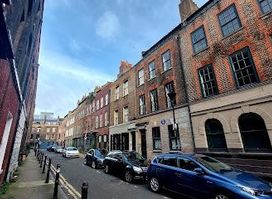
A quiet Spitalfields street of Georgian terraces, workshop traces and migration history, best explored on foot as part of an East End heritage walk.
