
Chinatown, London Travel Guide
A compact Soho district of lanterns, bilingual signs, East Asian restaurants, and busy pavements just steps from Leicester Square and Piccadilly Circus.
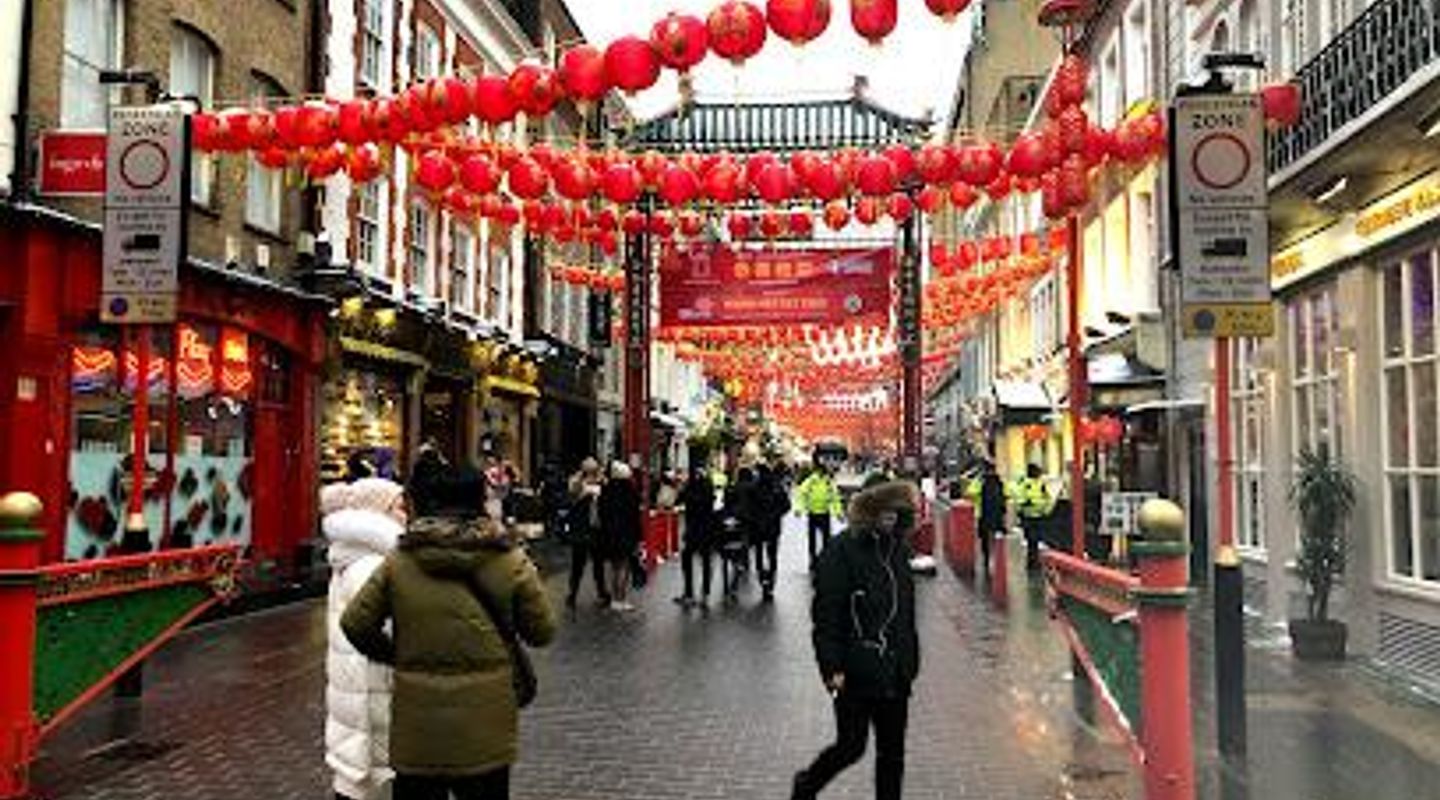
Chinatown is a tight cluster of streets in Soho where lanterns, bilingual signs, supermarket shelves, bakery windows, and restaurant fronts pack the pavement edge to edge. It is less a single sight than a working food and shopping district, best visited on foot between Leicester Square, Piccadilly Circus, and the West End. Expect queues at mealtimes, bright street decoration, and a steady flow of photographers and diners.
A brief summary to Chinatown
- Gerrard St, London, GB
- Click to display
- Duration: 0.5 to 3 hours
- Mid ranged
-
 Outdoor
- Mobile reception: 5 out of 5

Know before you go
Hi, I'm Eve. Here are a few practical things to know before exploring Chinatown.
- Come hungry and plan around meal times; the area is at its busiest at lunch and dinner, when queues can spill onto the pavement.
- For photos, arrive earlier in the day or between service peaks, when the streets are still active but less tightly packed.
- Treat Chinatown as part of a wider West End walk, linking it with Soho, Leicester Square, Piccadilly Circus, or a theatre night.
Do you manage this location?
Take control to get all the benefits, like improved information, better appearance, and stronger visibility across AI-powered discovery. Learn more about listing your business on Evendo
Activate your presenceOther nearby places you may find interesting
The closest places of the same kind, if this one is not quite what you had in mind.
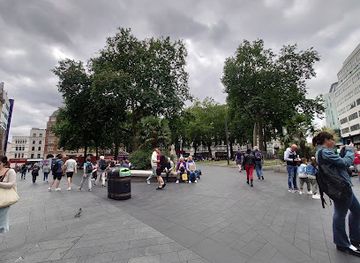

Explore Chinatown on the Map
A handpicked selection of must-see spots near Chinatown, mapped for you.
Unlock the Best of Chinatown
Buy tickets
-
No tickets available
Book tours with entry


Getting There
-
Underground
The easiest approach is by Tube, with several central stations within a short walk; this is the most practical option for most visitors.
-
Walking
If you are already in Soho, Leicester Square, Covent Garden, or Piccadilly Circus, walking is often faster than changing transport.
-
Bus
Buses serve the surrounding West End streets, but they generally skirt the district rather than running through its core.
-
Taxi / Ride-hail
Useful for late evenings or bad weather, though traffic and limited stopping space make it less efficient than public transport.
For the on-the-go comforts that matter to you
-
 Restrooms
-
 Drink Options
-
 Food Options
-
 Seating Areas
-
 Sheltered Areas
-
 Trash Bins
-
 Information Boards
Discover more about Chinatown
What it is
Chinatown is a compact central London neighbourhood centred on Gerrard Street and the lanes around it. It is not an enclosed attraction but a dense urban district built around East Asian restaurants, bakeries, supermarkets, gift shops, and services. The area’s current form developed after the Second World War, when Chinese businesses moved into Soho and gave the streets a clearer cultural identity. Today it functions as both a commercial quarter and a visible centre for London’s Chinese community.How it feels on the ground
The experience is immediate and street-level. Lanterns hang above the road, bilingual signs crowd the shopfronts, and the pavements stay busy with people moving between meals, snacks, and quick photo stops. Gerrard Street is the main spine, but the atmosphere spills into nearby lanes such as Newport Place, Macclesfield Street, and Wardour Street. There is little open space and almost no sense of quiet; the appeal lies in density, colour, and constant movement. It is a place for walking, looking, eating, and pausing briefly rather than lingering in one spot.Why travellers come
Most visitors come for food first. Chinatown is one of central London’s most concentrated dining areas, with a strong mix of Chinese, Hong Kong, and wider East Asian kitchens, plus bakeries and dessert counters. Others come to browse supermarkets and specialist shops, or to photograph the gates, lanterns, and signage that make the district instantly recognisable. The area also draws people during Chinese New Year and Mid-Autumn Festival, when the streets and nearby West End spaces fill with celebrations, decorations, and heavier foot traffic. It works well as part of a wider Soho or theatre evening rather than as a standalone half-day outing.Practical expectations
A visit is usually short and self-directed. You can pass through in under an hour for photos and a snack, or stay several hours if you are eating a full meal and browsing shops. Crowds build through lunch, ease slightly in mid-afternoon, then rise again for dinner, when queues and takeaway traffic are most noticeable. The district is easy to reach on foot from nearby Underground stations, and that convenience is one of its main strengths. It is less suitable for travellers seeking calm, green space, or a long sightseeing circuit, but it is efficient, central, and easy to combine with the West End.












Your all‑in‑one travel companion app
Explore expert travel guides, compare and book tours, experiences, hotels, and more—all from the palm of your hand. Download now for seamless trip planning wherever your wanderlust takes you.


Explore More of London
Looking beyond Chinatown? Discover London for broader travel guides, local hot-spots, and regional highlights.
Explore London
Independent cinema on Shaftesbury Avenue with screening rooms, bar and dining, drawing film fans into the West End for curated evenings.
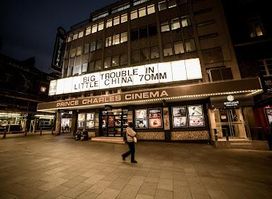
Discover London's iconic independent repertory cinema offering cult classics, arthouse gems, and unforgettable themed screenings in the heart of Leicester Square.
