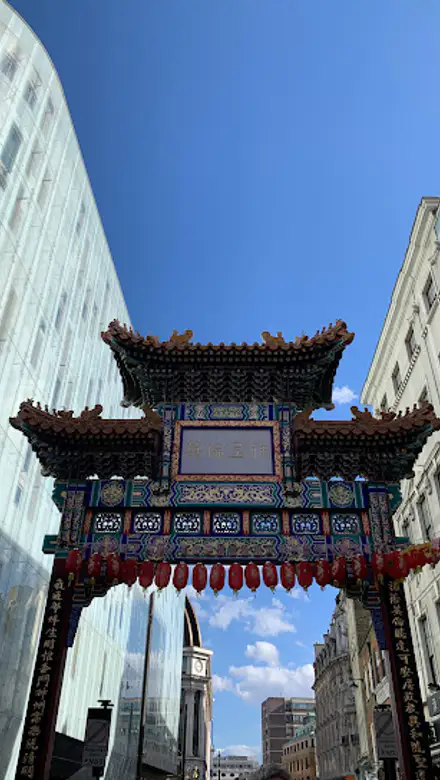
Chinatown Gate, London Travel Guide
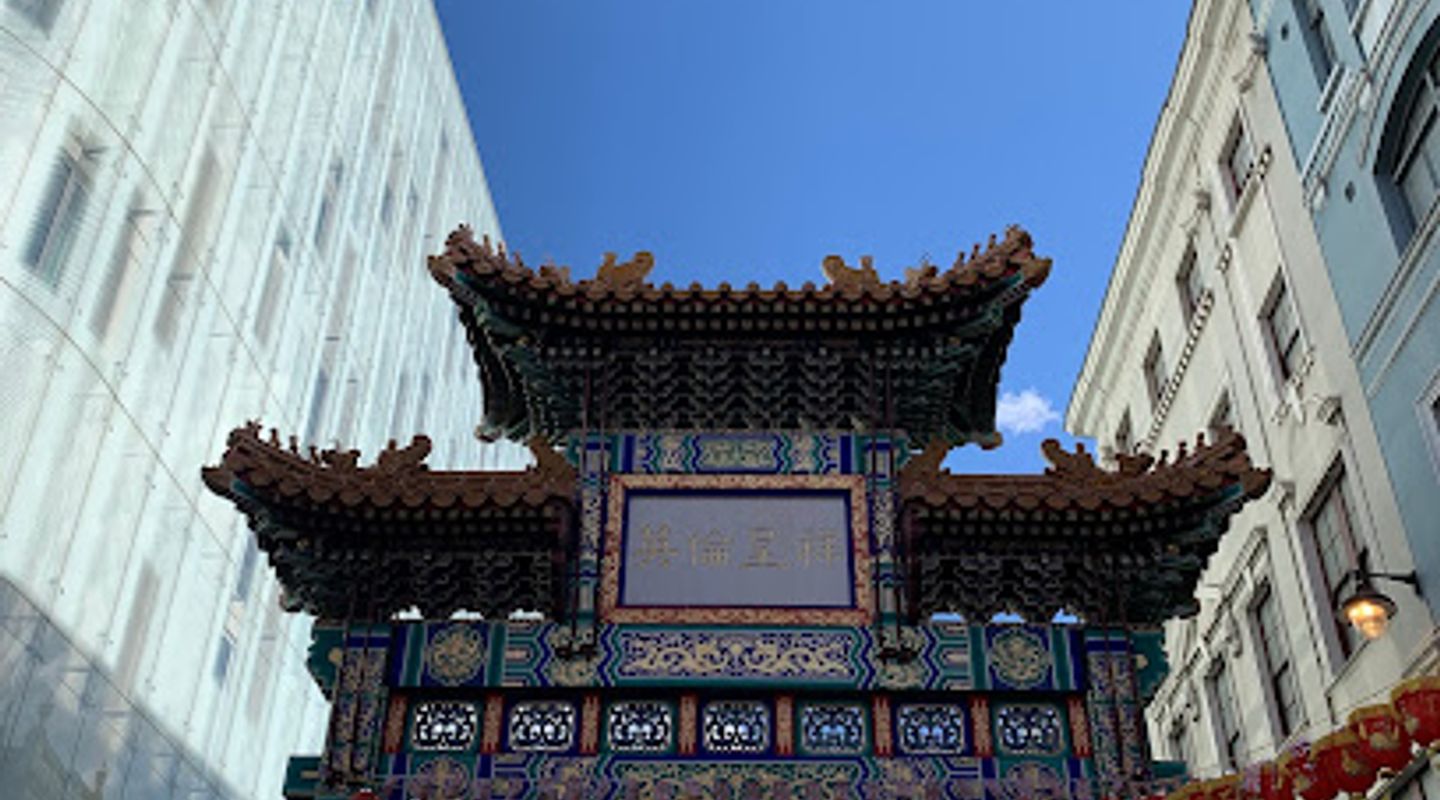
The entrance gate to London’s Chinatown in Soho, where a short photo stop can turn into a meal, a snack crawl, or an evening walk.
Chinatown Gate marks the entrance to London’s Chinatown on Wardour Street, a compact, street-level district of restaurants, bakeries, shops, and festival colour in the West End. The Qing-style gateway is a quick photo stop, but the real visit unfolds as you move into Gerrard Street and the surrounding lanes, where lunch, dinner, and late-evening foot traffic keep the area busy.
A brief summary to Chinatown Gate
- 16-17 Wardour St, London, W1F 8AT, GB
- Click to display
- Duration: 0.25 to 4 hours
- Budget
-
 Outdoor
- Mobile reception: 5 out of 5

Know before you go
Hi, I'm Eve. Here are a few practical things to know before exploring Chinatown Gate.
- Visit outside lunch and dinner peaks if you want clearer photos and less shoulder-to-shoulder foot traffic.
- Treat the gate as the starting point; the wider experience is in Gerrard Street, side streets, and the restaurants beyond.
- Use public transport rather than driving, as the West End streets are congested and parking is limited and costly.
Do you manage this location?
Take control to get all the benefits, like improved information, better appearance, and stronger visibility across AI-powered discovery. Learn more about listing your business on Evendo
Activate your presenceOther nearby places you may find interesting
The closest places of the same kind, if this one is not quite what you had in mind.

Explore Chinatown Gate on the Map
A handpicked selection of must-see spots near Chinatown Gate, mapped for you.
Unlock the Best of Chinatown Gate
Buy tickets
-
No tickets available
Book tours with entry


Book tours without entry
-
No tours available
Getting There
-
Tube
Leicester Square is the closest Underground stop and the most direct arrival point for a short walk to the gate.
-
Walking
It is an easy walk from Soho, Piccadilly Circus, Charing Cross, and Leicester Square, making it simple to combine with nearby West End sights.
-
Bus
Several central London bus routes serve the surrounding streets, useful if you are already moving through the West End.
-
Taxi
Taxis are practical for door-to-door access, but traffic and drop-off conditions can be slow in this crowded part of central London.
For the on-the-go comforts that matter to you
-
 Restrooms
-
 Drink Options
-
 Food Options
-
 Seating Areas
-
 Sheltered Areas
-
 Trash Bins
-
 Information Boards
Discover more about Chinatown Gate
What it is
Chinatown Gate is the ceremonial entrance to London’s Chinatown, set on Wardour Street in Soho near Gerrard Street. It is not a standalone monument in the usual sense, but the most recognisable marker for a dense Chinese cultural and dining district. The gate itself is a modern Qing-style structure, opened in 2016 and assembled in London by Chinese artisans, while the surrounding neighbourhood reflects a longer postwar history of Chinese settlement, business, and community life in central London.What the visit feels like
The experience is brief at first: you arrive at street level, step under the gate, and immediately meet a tight urban scene of signs, lanterns, restaurant fronts, and constant pedestrian movement. Most visitors pause for photos, then continue into Gerrard Street for dim sum, roast meats, bubble tea, bakeries, or a casual browse through the side streets. The atmosphere is commercial and energetic rather than contemplative. It is busiest around lunch and dinner, when theatre crowds, office workers, tourists, and local diners all overlap.Why travellers come here
People come for a compact cultural stop that fits easily into a Soho or Leicester Square walk. It works well for first-time visitors to London, food-focused travellers, and photographers looking for a strong visual marker in the West End. The district is especially useful if you want a meal with a clear sense of place: the gate signals arrival, but the restaurants and street life are what keep you there. Festival periods, especially Chinese New Year, bring a stronger sense of occasion, with heavier crowds and more decorative street activity.Practical expectations
This is an easy public-transport stop and a poor place to drive. Leicester Square is the nearest Underground station, with Piccadilly Circus, Tottenham Court Road, and Charing Cross also workable on foot. The area is fully urban, with no natural scenery, and comfort depends on crowd levels and weather. Mild, dry days are best for walking and photography; rain pushes more people indoors but does not stop the district from functioning. Expect limited dedicated visitor infrastructure at the gate itself, but plenty of food, drink, and seating once you enter restaurants and cafes. A quick visit may take 15 to 30 minutes; a meal and wander can easily stretch to a couple of hours.












Your all‑in‑one travel companion app
Explore expert travel guides, compare and book tours, experiences, hotels, and more—all from the palm of your hand. Download now for seamless trip planning wherever your wanderlust takes you.


Explore More of London
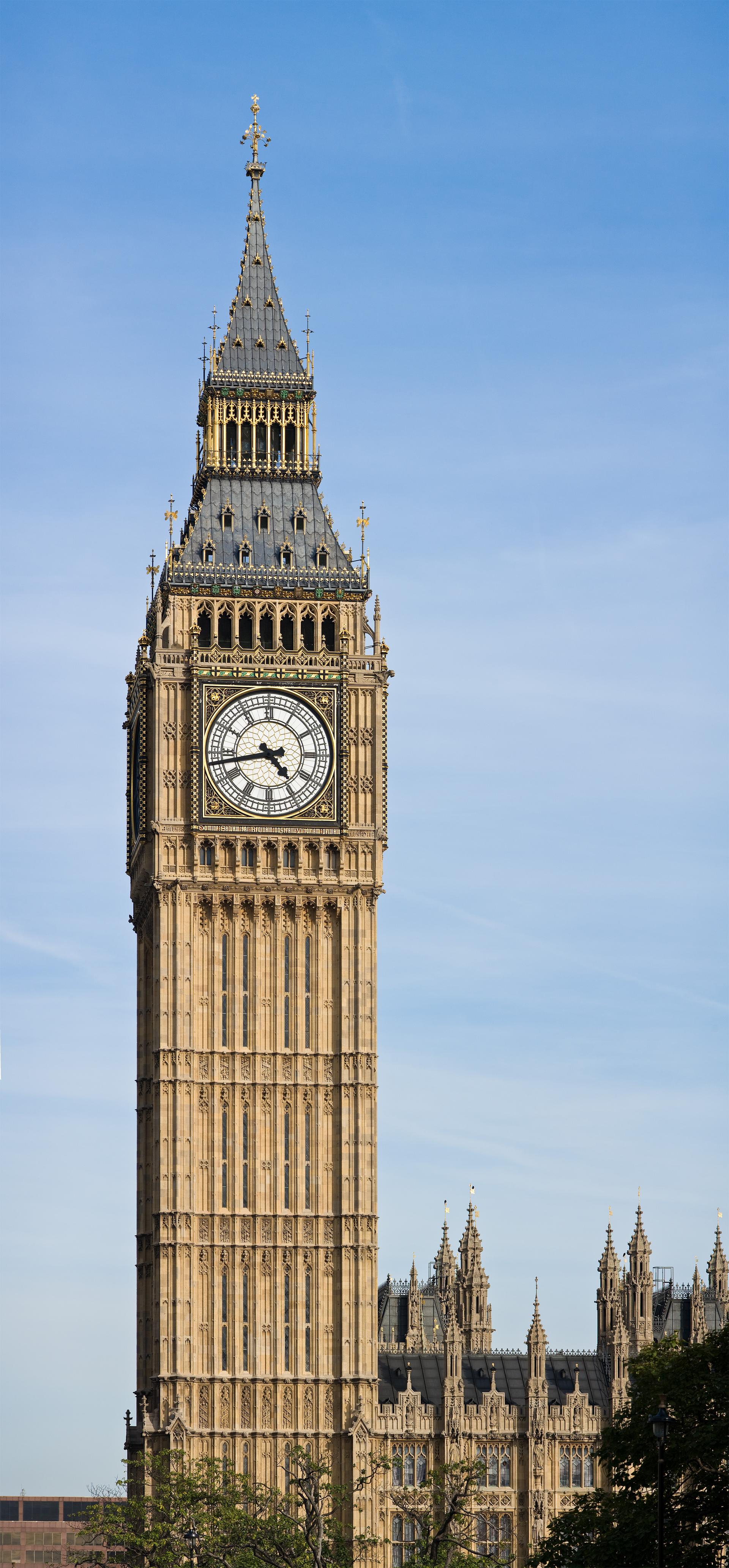
Looking beyond Chinatown Gate? Discover London for broader travel guides, local hot-spots, and regional highlights.
Explore London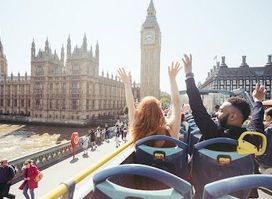
Central London hop-on hop-off boarding point on Coventry Street, with open-top buses, audio commentary, and easy access to the West End.

Explore London’s iconic landmarks and hidden gems through a fun, interactive self-guided board game tour at your own pace.