

Commercial St, London Travel Guide
Free Guide: A straight East End corridor through Spitalfields, where market traffic, heritage façades and everyday London movement meet between Liverpool Street and Whitechapel.


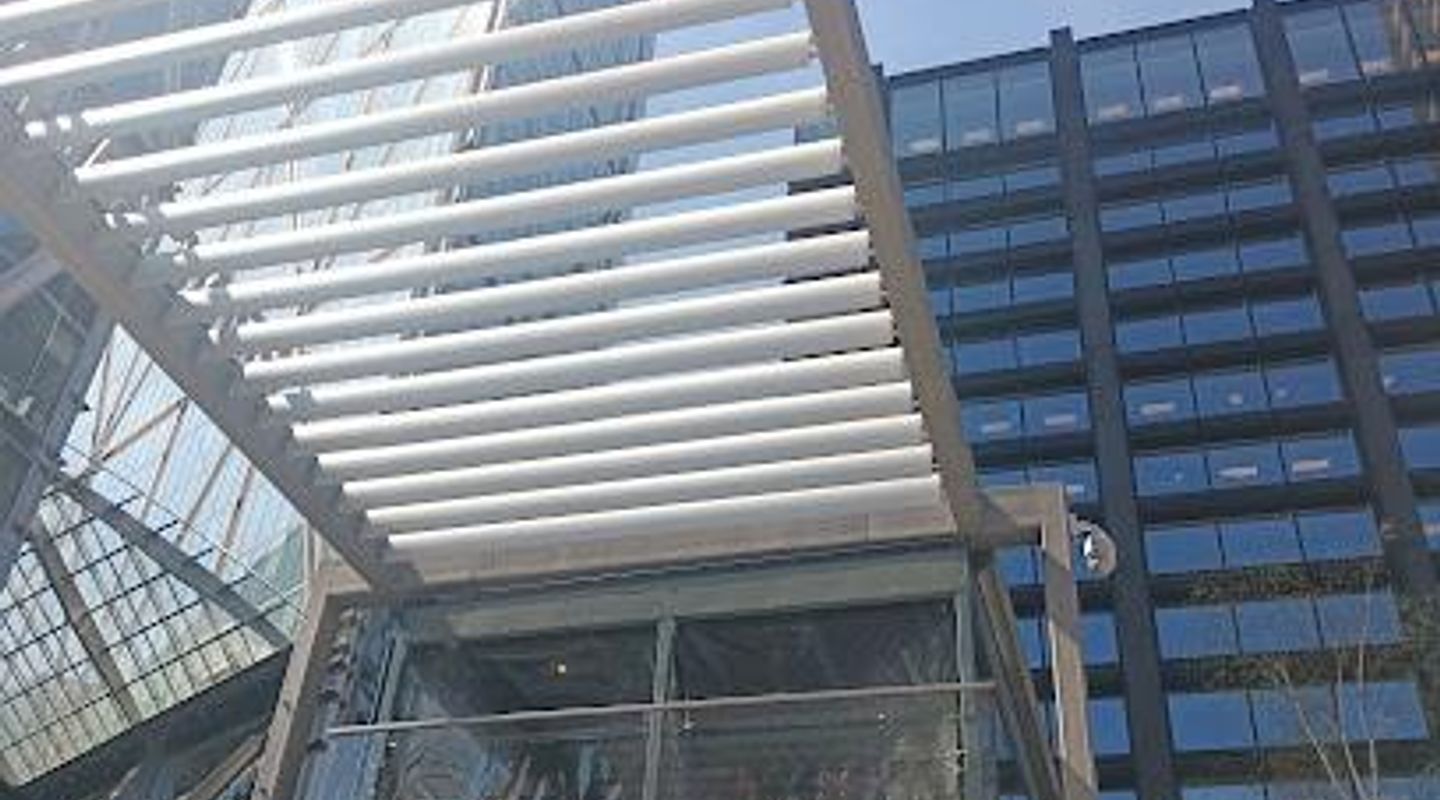
A brief summary of Commercial St
A straight East End corridor through Spitalfields, where market traffic, heritage façades and everyday London movement meet between Liverpool Street and Whitechapel.
Commercial Street is less a destination than a working slice of east London: a straight, busy corridor linking Spitalfields, Whitechapel and Shoreditch. It carries you past market traffic, pubs, churches and mixed-use buildings, with the strongest interest coming from the streets it connects rather than the road itself. Expect footfall, buses, and a layered East End atmosphere.
On-site amenities
 Restrooms
 Drink options
 Food options
 Seating areas
 Sheltered areas
 Trash bins
 Information boards
 Visitor centre
- Address
- London
Getting there
Tube
Bus
On foot
Taxi / private hire
Discover more about Commercial St
What it is
Commercial Street is a north–south street in east London that functions as a connector through Spitalfields, Whitechapel and the edge of Shoreditch. It is best treated as an urban heritage walk rather than a standalone attraction. The street links some of the area’s most visited points, including Christ Church Spitalfields and Old Spitalfields Market, and it sits within a district shaped by 19th-century redevelopment, immigration, trade and conservation controls.
What it feels like
The street is flat, walkable and firmly urban, with traffic, buses, shopfronts, offices, pubs and residential buildings packed into a compact corridor. The atmosphere is busy and mixed-use, especially near market and station connections, where pedestrians spill across the pavements and the pace quickens around lunch and late afternoon. The visual appeal comes from street-level texture: historic façades, market edges, church spires, and the contrast between older East End fabric and newer commercial activity.
Why travellers come
Most visitors use Commercial Street as part of a wider Spitalfields or Brick Lane walk. It works well for travellers interested in cultural heritage, urban photography and self-guided exploration, because the street gives a clear sense of how the district is stitched together. You can pass through in minutes, or linger for a few hours if you combine it with market browsing, church visits, pubs and nearby food stops. It is also a practical route for moving between transport hubs and the surrounding neighbourhoods.
History and setting
Commercial Street was laid out in the mid-19th century as part of an improvement scheme intended to open up a dense and unhealthy part of the East End, improve access to the City and docks, and address sanitation problems. The surrounding area has a long and layered social history: medieval religious foundations, Huguenot silk weaving, Jewish settlement and later Bangladeshi community life all left their mark nearby. That history is not packaged into a single attraction; instead, it appears in the street pattern, the building stock and the surrounding conservation area.
Practical expectations
This is an easy place to reach by Tube, bus or on foot from Liverpool Street or Aldgate East. The street itself has no formal visitor infrastructure, so restrooms, food, seating and shelter are mostly found in nearby markets, cafés and pubs. It is free to walk, and the best experience usually comes in dry, mild weather when the pavements are comfortable and the surrounding streets are active. Rain, wind and heavy traffic make it less pleasant, but the area remains usable because indoor market and dining spaces are close by.
Evendo Review Centre
 Google
Guest reviews
Best time to go
Quietest: Jan, Feb & Nov · before 3am
Busy times are Evendo estimates for a typical year, to help you plan. Actual crowds vary with events, school holidays and the weather.
Explore Commercial St on the map
A handpicked selection of must-see spots near Commercial St, mapped for you.
Get your free copy of our complete guide to Commercial St, delivered straight to you.
Everything on this page, from opening hours and how to get there to Eve’s tips and the best time to go, in one PDF you can read offline, print or share.
Already have an account? Sign in
Your Commercial St guide is ready.
We'll send it to · Not you? Sign out

Getting your guide ready…
We are putting together a fresh copy of the Commercial St guide. This can take up to a minute.
This can take a few moments. If your browser asks, choose Allow so the download can start. You'll find the guide in your Downloads folder.
Nothing happened? Download it again
Sorry, the guide is taking longer than usual. Please try again in a minute, or get it by email instead.
Unlock the best of Commercial St
Skip-the-line tickets, guided tours with entry, and walking tours of the area, booked in a few clicks.

Other nearby places you may find interesting
The closest places of the same kind, if this one is not quite what you had in mind.
-
London dragon A compact post-war estate in the City of London, known for modernist housing, quiet courtyards and close-up architectural detail.
-
The Wonderpass A short, decorated pedestrian underpass in Baker Street that turns a routine crossing into a compact piece of urban design and local history.
-
Hidden London - Aldwych Station A guided descent into a preserved Piccadilly line station, where wartime shelter, abandoned platforms, and original tiles tell London’s Underground story.
-
Scenes in the Square Sculpture Trail A free outdoor film sculpture trail in Leicester Square, where bronze characters, cinema crowds, and West End streetscapes make a quick urban photo stop.
-
Memorial wall A long riverside memorial of red hearts and handwritten tributes, facing Parliament on the Thames and offering a quiet, sobering walk through recent history.
Swipe for more places
More to explore near Commercial St

 Best experiences near Commercial St
 Best hotels near Commercial St
 Best landmarks near Commercial St
 Best attractions near Commercial St
 Best shops near Commercial St
 Best restaurants near Commercial St
 Best bars near Commercial St
Do you manage this location?
Take control to get all the benefits, like improved information, better appearance, and stronger visibility across AI-powered discovery.
Explore more

Explore more of London
Explore London: A city of iconic landmarks, rich history, vibrant culture, and endless attractions that cater to every taste, making it a must-visit destination.
Explore London
Explore more of United Kingdom
Discover the United Kingdom: A blend of rich history, stunning landscapes, and vibrant cities, offering a unique travel experience for every visitor.
Explore United Kingdom
