Electric Cinema, London Travel Guide
Free Guide: Historic single-screen cinema on Portobello Road, pairing arthouse programming with armchairs, sofas, and a bar-led screening experience in Notting Hill.


A brief summary of Electric Cinema
Historic single-screen cinema on Portobello Road, pairing arthouse programming with armchairs, sofas, and a bar-led screening experience in Notting Hill.
Electric Cinema Portobello is a compact, historic single-screen cinema on Portobello Road in Notting Hill, known for plush seating, a bar, and curated film programming. The experience is simple and deliberate: arrive for a screening, order a drink or snack, settle into an armchair or sofa, and stay for the film. It suits film lovers, couples, and solo visitors more than casual sightseers.
On-site amenities
 Restrooms
 Drink options
 Food options
 Seating areas
 Sheltered areas
 Information boards
- Address
- 191 Portobello Rd, London W11 2ED
- Phone
- Website
Getting there
Tube
Bus
Taxi / rideshare
Cycling
Discover more about Electric Cinema
What it is
Electric Cinema Portobello is a heritage cinema rather than a general sightseeing stop. Opened in 1910, it is widely regarded as London’s oldest purpose-built cinema, and its identity still centres on film culture: repertory titles, arthouse releases, special screenings, and a screening room that feels more intimate than a multiplex. The venue sits at 191 Portobello Road in Notting Hill, so the visit is tied to a dense west London streetscape rather than a standalone landmark.
Atmosphere and setting
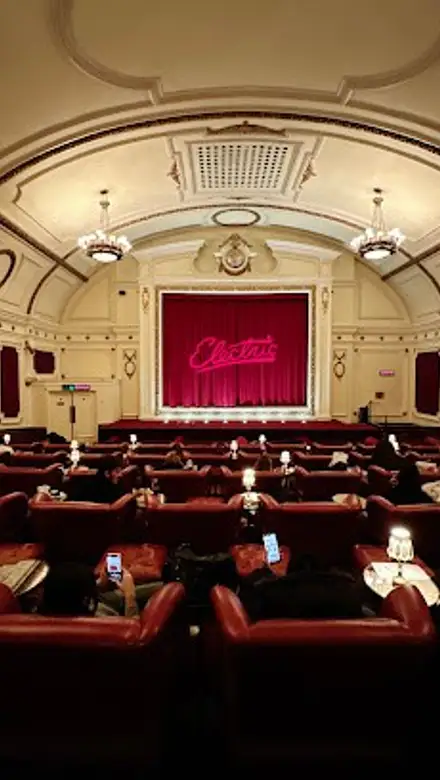
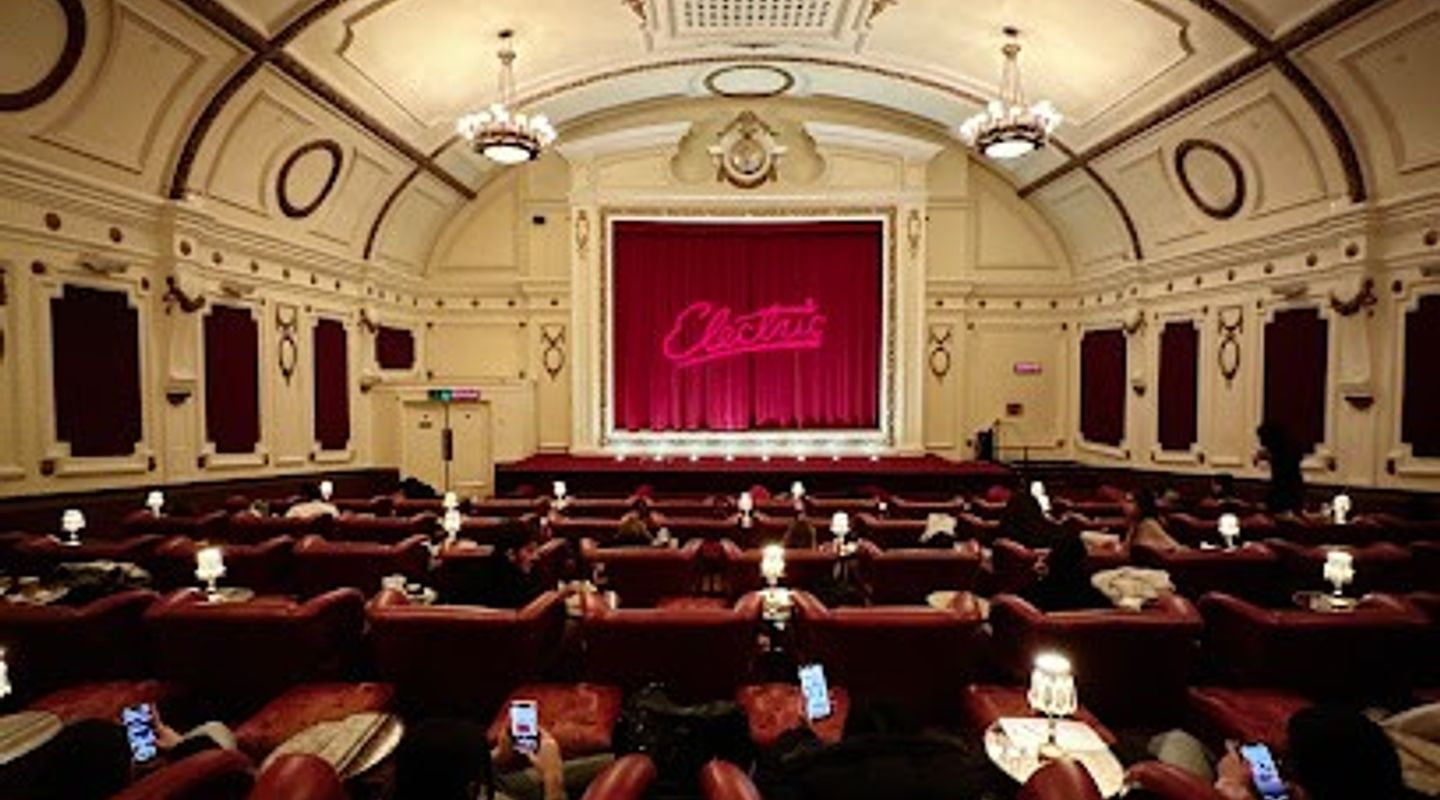
The setting is urban, compact, and indoors. There is no grand lobby or panoramic view to linger over; the appeal is the room itself, the low-key bar, and the sense of being in a small, carefully maintained cinema with a long local history. Seating is part of the draw, with armchairs and sofa-style places that make the experience feel more lounge-like than standard cinema seating. The mood is relaxed and quietly stylish, with most of the noise and movement concentrated before the film begins.
How a visit unfolds
A typical visit is tightly structured around a screening. You arrive shortly before showtime, collect tickets, and usually have time for a drink or snack at the bar before the auditorium opens. Once the feature starts, the venue becomes calm and focused; there is little reason to move around until the film ends. That makes it a good fit for visitors who want a contained cultural outing rather than an open-ended attraction. Some screenings, such as subtitled sessions or parent-and-baby shows, shift the crowd pattern, but the basic rhythm stays the same: arrive, settle in, watch, leave or continue to a nearby meal.
Practical expectations
This is a mid-range to slightly premium cinema experience, especially once drinks and snacks are added. The venue is easy to reach by Tube or bus, and it works well as part of a wider Notting Hill or Portobello Road outing. Parking is limited, so driving is not the best option. The cinema is best for couples, solo travellers, film enthusiasts, and small groups who value atmosphere and programming over scale. It is less suitable for visitors wanting a long, walk-around attraction or a full day’s activity on site.
Why people go
Travellers come here for the combination of film heritage and comfort. The building’s age and reputation give it cultural weight, while the bar, seating, and curated programme make the visit feel more considered than a routine cinema trip. It is a straightforward place to spend a few hours, but the experience has enough character to stand apart from modern multiplexes.
Evendo Review Centre
 Google
Guest reviews
Best time to go
Quietest: Feb, Mar & Jun · before 11am or from 11pm
Busy times are Evendo estimates for a typical year, to help you plan. Actual crowds vary with events, school holidays and the weather.
Explore Electric Cinema on the map
A handpicked selection of must-see spots near Electric Cinema, mapped for you.
Get your free copy of our complete guide to Electric Cinema, delivered straight to you.
Everything on this page, from opening hours and how to get there to Eve’s tips and the best time to go, in one PDF you can read offline, print or share.
Already have an account? Sign in
Your Electric Cinema guide is ready.
We'll send it to · Not you? Sign out

Getting your guide ready…
We are putting together a fresh copy of the Electric Cinema guide. This can take up to a minute.
This can take a few moments. If your browser asks, choose Allow so the download can start. You'll find the guide in your Downloads folder.
Nothing happened? Download it again
Sorry, the guide is taking longer than usual. Please try again in a minute, or get it by email instead.
Unlock the best of Electric Cinema
Skip-the-line tickets, guided tours with entry, and walking tours of the area, booked in a few clicks.


Other nearby places you may find interesting
The closest places of the same kind, if this one is not quite what you had in mind.
-
-
-
-
-


Swipe for more places
More to explore near Electric Cinema

 Best experiences near Electric Cinema
 Best hotels near Electric Cinema
 Best landmarks near Electric Cinema
 Best attractions near Electric Cinema
 Best shops near Electric Cinema
 Best restaurants near Electric Cinema
 Best bars near Electric Cinema
Do you manage this location?
Take control to get all the benefits, like improved information, better appearance, and stronger visibility across AI-powered discovery.
Explore more

Explore more of London
Explore London: A city of iconic landmarks, rich history, vibrant culture, and endless attractions that cater to every taste, making it a must-visit destination.
Explore London
Explore more of United Kingdom
Discover the United Kingdom: A blend of rich history, stunning landscapes, and vibrant cities, offering a unique travel experience for every visitor.
Explore United Kingdom