

Fortnum & Mason, London Travel Guide
Three centuries of British luxury, tradition, and culinary excellence on Piccadilly
Fortnum & Mason is an iconic luxury department store established in 1707 at 181 Piccadilly in London's St James's area. Founded by William Fortnum, a footman in Queen Anne's household, and Hugh Mason, the store began by selling candles before evolving into a world-renowned emporium specializing in fine foods, delicacies, and luxury goods. The flagship location features the famous four-ton clock with mechanical figures of the founders that bow hourly, rooftop beehives, and multiple dining venues. Today it remains a symbol of British elegance and tradition, holding royal warrants and serving as a premier destination for gourmet provisions, hampers, and curated gifts.
A brief summary to Fortnum & Mason
- 181 Piccadilly, London, W1A 1ER, GB
- Click to display
- Click to display
- Duration: 1.5 to 4 hours
- Luxury
-
 Indoor
- Mobile reception: 5 out of 5
- Monday 10 am-8 pm
- Tuesday 10 am-8 pm
- Wednesday 10 am-8 pm
- Thursday 10 am-8 pm
- Friday 10 am-8 pm
- Saturday 10 am-8 pm
- Sunday 11:30 am-6 pm

Know before you go
Hi, I'm Eve. Here are a few practical things to know before exploring Fortnum & Mason.
- Arrive early or visit mid-week to avoid peak crowds; the store is busiest on weekends and during the Christmas season. The ground floor confectionery and food hall draw the largest numbers.
- Don't miss the mechanical clock above the main entrance—it performs every hour on the hour with the figures of Fortnum and Mason bowing to each other, accompanied by 18th-century music and chimes.
- Explore the third floor's Food & Drink Studio for interactive masterclasses, tastings, and demonstrations; these events change monthly and offer behind-the-scenes insights into the store's products and philosophy.
- Visit the rooftop beehives (viewable from certain areas) and purchase the seasonal honey produced on-site, which carries unique flavours from the bees' foraging in nearby royal parks and gardens.
- Allow time to browse the curated hampers and gift selections; staff can assist with bespoke hamper creation for special occasions, corporate gifts, or personal indulgence.
Do you manage this location?
Take control to get all the benefits, like improved information, better appearance, and stronger visibility across AI-powered discovery. Learn more about listing your business on Evendo
Activate your presenceOther nearby places you may find interesting
The closest places of the same kind, if this one is not quite what you had in mind.
Explore Fortnum & Mason on the Map
A handpicked selection of must-see spots near Fortnum & Mason, mapped for you.
Unlock the Best of Fortnum & Mason
Buy tickets
-
No tickets available
Book tours with entry


Getting There
-
London Underground
Piccadilly Circus station (Piccadilly and Bakerloo lines) is approximately 250 metres south of Fortnum & Mason. Journey time from central London locations ranges from 5–15 minutes depending on your starting point. The store entrance is a 3–4 minute walk north from the station exit. Single fares within London zones cost between £1.75–£2.80 depending on time of day and zones travelled.
-
Bus
Multiple bus routes serve Piccadilly, including routes 6, 9, 14, 19, 22, 38, and 159, which stop directly on Piccadilly or within 100 metres of the store. Journey times from central London are typically 15–30 minutes depending on traffic and starting location. A single bus fare within London costs £1.75 (off-peak) or £2.80 (peak hours).
-
Taxi or Ride-Share
Licensed black cabs and ride-share services (Uber, Bolt) are readily available throughout central London. Journey times from major London landmarks (Victoria, King's Cross, Tower Bridge) range from 10–25 minutes depending on traffic conditions. Fares typically range from £8–£20 for journeys within central London, with additional charges during peak hours.
-
Walking
Fortnum & Mason is centrally located and accessible on foot from most central London destinations. From Trafalgar Square (approximately 400 metres, 5 minutes), Leicester Square (approximately 350 metres, 4 minutes), or Green Park (approximately 300 metres, 4 minutes). The surrounding streets are well-lit, pedestrianized in places, and feature clear signage.
For the on-the-go comforts that matter to you
-
 Restrooms
-
 Drink Options
-
 Food Options
-
 Seating Areas
-
 Information Boards
-
 Visitor Center
Fortnum & Mason location weather suitability
-
 Any Weather
Discover more about Fortnum & Mason
From Royal Candles to Culinary Legend
Fortnum & Mason's story begins in the early 18th century with an entrepreneurial footman named William Fortnum, who served in the household of Queen Anne. The queen's insistence on fresh candles every evening left substantial quantities of half-used wax, which Fortnum cleverly resold for profit. Recognizing the potential of this enterprise, he partnered with Hugh Mason, a grocer who operated a small shop in St James's Market, and together they established Fortnum & Mason in 1707. This humble beginning—trading in discarded royal candles—laid the foundation for what would become one of London's most prestigious institutions. By the mid-18th century, the partnership had evolved dramatically. When William Fortnum's grandson Charles entered the service of Queen Charlotte in 1761, the store's connection to the royal court deepened, transforming it into a purveyor of luxury provisions. The business began specializing in ready-to-eat delicacies such as game served in aspic jelly, positioning itself as the ultimate supplier to London's gentry and aristocracy. The store's location on Piccadilly, a major thoroughfare for westbound travellers, proved invaluable. In 1738, Fortnum & Mason claims to have invented the Scotch egg—a portable, hearty snack of hard-boiled egg wrapped in seasoned meat and breadcrumbs—designed specifically for travellers requiring convenient sustenance on their journeys.Innovation and Enterprise Through the Centuries
Fortnum & Mason's entrepreneurial spirit extended far beyond food. Before the establishment of the General Post Office in 1839, the store operated its own mail service, installing letterboxes emptied six times daily and offering discounts to soldiers and sailors. During the Napoleonic Wars, the company became a vital supplier to British forces, sending provisions including beef tea to Florence Nightingale and her nurses in Crimea by royal request of Queen Victoria. Ships bound for the Crimea carried so many Fortnum & Mason provisions that officers reportedly requested the removal of labels to prevent theft. The 19th century brought further innovations. In 1886, when a young American entrepreneur named Henry Heinz arrived with five cases of tinned baked beans, Fortnum & Mason became the first retailer in Britain to stock this revolutionary product, recognizing its potential as a future household staple. The store's commitment to pioneering exotic and luxury goods earned it a reputation as a 'unique emporium for goods sold precisely nowhere else,' bolstered by its historic ties to the British East India Company, which granted access to rare spices and teas from India.The Building, the Clock, and Architectural Grandeur
The current flagship building at 181 Piccadilly was rebuilt between 1926 and 1927 in a Neo-Georgian style by architects Wimperis, Simpson and Guthrie, replacing an earlier structure. In 1840, William Fortnum's great-grandson Richard had invested the company's profits into a building at the same location, designed with elegant fanlights and decoration deliberately intended to invite women customers inside. The modern building incorporates adjoining properties at Duke Street and Jermyn Street, creating a substantial presence on this prestigious London thoroughfare. The most recognizable feature of Fortnum & Mason is its iconic four-ton clock, commissioned in 1964 by Canadian businessman Garfield Weston, who had acquired the store in 1951. Every hour on the hour, mechanical figures of William Fortnum and Hugh Mason, each standing 1.2 metres tall, emerge from the clock and bow to one another beneath chimes cast at the same foundry that created Big Ben's bells. Every fifteen minutes, 18th-century style music plays, creating a theatrical spectacle that has captivated Londoners and visitors for decades. The clock's designer, Berkeley Sutcliffe, incorporated the store's signature colour, eau-de-nil (a pale blue-green), which appears throughout the building's exterior, product packaging, and branding.Royal Patronage and Modern Evolution
Royal connections have remained central to Fortnum & Mason's identity throughout its history. The store currently holds two royal warrants—one from the reigning monarch and one from the Prince of Wales. King Charles III, during his time as Prince of Wales, frequently visited to promote Welsh farm brands and sustainable agricultural practices, leading to the launch of his Highgrove estate product range in 1996, a collaboration that continues today. The store has created special tea blends for significant royal occasions, including the Wedding Breakfast Blend issued for the marriage of Kate Middleton and Prince William in 2011. In 2012, Queen Elizabeth II opened the Diamond Jubilee Tea Salon, accompanied by the Duchesses of Cornwall and Cambridge, cementing the store's status as a symbol of British luxury and royal favour. In recent decades, Fortnum & Mason has balanced tradition with innovation. A controversial atrium was added between 2005 and 2007 to demonstrate the store's breadth beyond its famous chocolate counter. In 1951, Garfield Weston created the Soda Fountain, an American-style restaurant featuring knickerbocker glories that became iconic in its own right. The 2023 transformation of the third floor introduced the Food & Drink Studio, a cookshop, bookshop, and copper distillery producing in-house Amalthea Gin, alongside a cosy bar for cocktails. Monthly events including masterclasses, demonstrations, and talks ensure the store remains a living, evolving destination rather than a static museum piece.Sustainability and Modern Stewardship
Fortnum & Mason's commitment to sustainability reflects contemporary values while honouring its heritage. Since 2008, four beehives have occupied the Piccadilly rooftop, each standing six feet tall and tended by a dedicated bee master. The honey produced annually, harvested in September, carries flavours that hint at the bees' journeys through London's nearby parks and gardens, including Buckingham Palace, Clarence House, and Green Park. The store has long supported local producers and artisans, offering Britain's finest foods and maintaining relationships with suppliers that embody quality and ethical practices. The iconic Fortnum & Mason hamper—filled with carefully curated provisions—remains the ultimate symbol of luxury gifting, seen at summer events such as Ascot, Wimbledon, and Henley, and given as prestigious gifts during the Christmas season.












Your all‑in‑one travel companion app
Explore expert travel guides, compare and book tours, experiences, hotels, and more—all from the palm of your hand. Download now for seamless trip planning wherever your wanderlust takes you.


Explore More of London
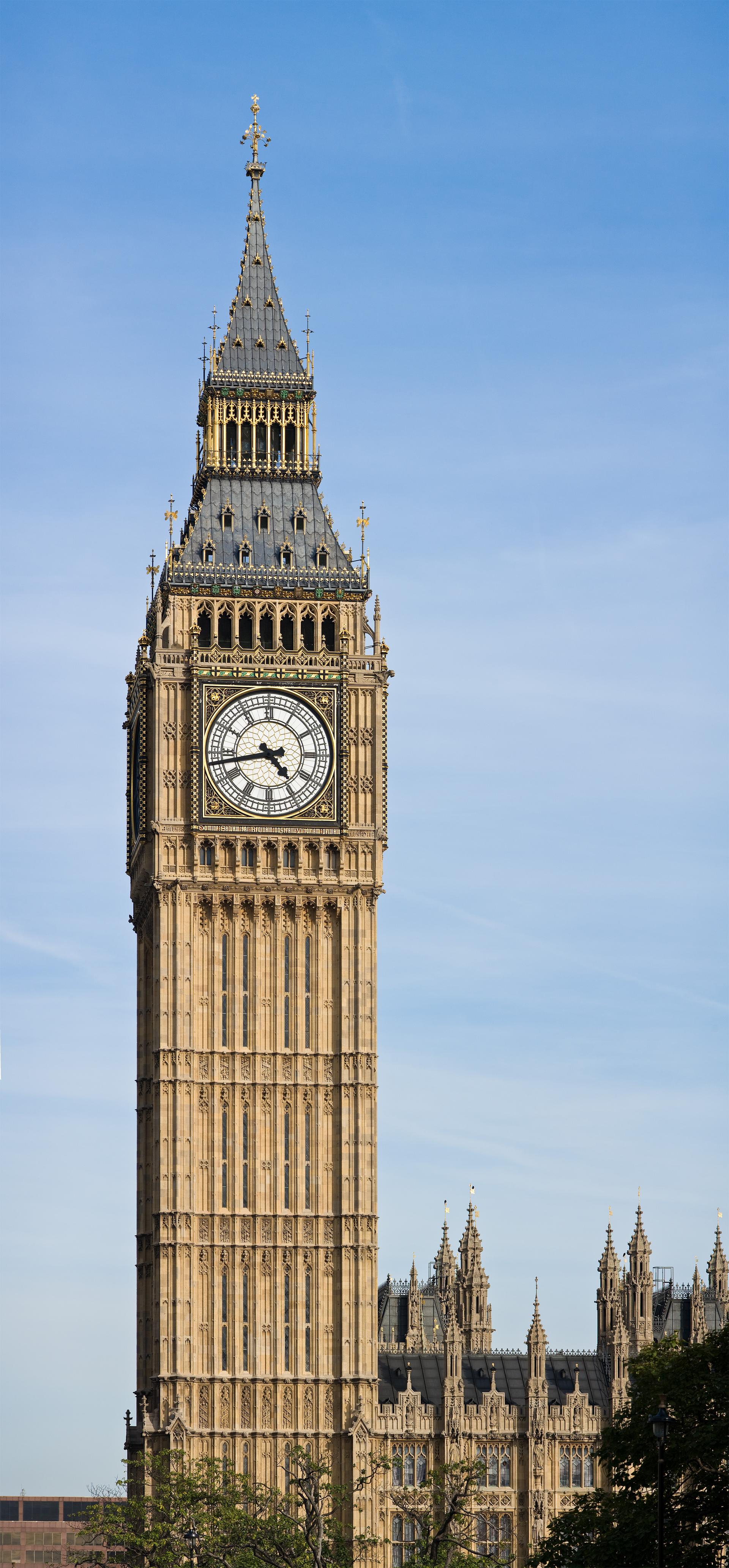
Looking beyond Fortnum & Mason? Discover London for broader travel guides, local hot-spots, and regional highlights.
Explore London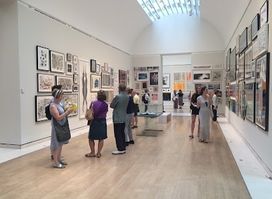
Historic Burlington House hosts one of London’s most important art institutions, where temporary exhibitions and calm gallery rooms anchor a Piccadilly visit.
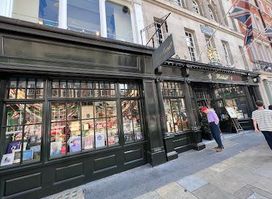
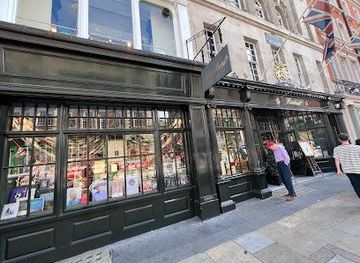
A Piccadilly bookshop with Georgian roots, rare editions and a calm browsing pace, long valued for its literary heritage and central London setting.
