Highgate Cemetery, London Travel Guide
A hauntingly beautiful Victorian cemetery in North London, home to Karl Marx, George Eliot, and countless Gothic tombs, where history, nature, and legend intertwine.
Perched on a hill in North London, Highgate Cemetery is one of the city’s most atmospheric Victorian burial grounds, famed for its Gothic tombs, ivy‑clad mausoleums, and as the final resting place of Karl Marx, George Eliot, Michael Faraday, and George Michael. Divided into the older, ornate West Cemetery and the more accessible East Cemetery, it combines haunting beauty with rich history, making it a must‑visit for history lovers, architecture enthusiasts, and those drawn to London’s darker tales.
A brief summary to Highgate Cemetery
- Swain's Ln, London, N6 6PJ, GB
- Click to display
- Click to display
- Duration: 1.5 to 3 hours
- Mid ranged
-
 Outdoor
- Mobile reception: 4 out of 5
- Monday 10 am-4 pm
- Tuesday 10 am-4 pm
- Wednesday 10 am-4 pm
- Thursday 10 am-4 pm
- Friday 10 am-4 pm
- Saturday 10 am-4 pm
- Sunday 10 am-4 pm

Know before you go
Hi, I'm Eve. Here are a few practical things to know before exploring Highgate Cemetery.
- Book a guided tour in advance, especially for the West Cemetery, to access the Egyptian Avenue, catacombs, and Circle of Lebanon, which are not open for self‑guided visits.
- Wear sturdy, comfortable shoes with good grip – the paths are steep, uneven, and can be muddy, particularly in the older, hillside sections.
- Visit on a weekday morning to avoid the largest crowds; Sundays and weekends are busiest, especially around the Karl Marx and George Michael graves.
- Bring a small notebook or use your phone discreetly to record interesting inscriptions and names; many graves have touching or unusual epitaphs worth noting.
- Respect the site as an active cemetery – keep noise down, avoid touching or climbing on monuments, and remember that funerals may take place during your visit.
Do you manage this location?
Take control to get all the benefits, like improved information, better appearance, and stronger visibility across AI-powered discovery. Learn more about listing your business on Evendo
Activate your presenceOther nearby places you may find interesting
The closest places of the same kind, if this one is not quite what you had in mind.

Explore Highgate Cemetery on the Map
A handpicked selection of must-see spots near Highgate Cemetery, mapped for you.
Unlock the Best of Highgate Cemetery
Buy tickets
-
No tickets available
Book tours with entry

Book tours without entry
-
No tours available
Getting There
-
Underground
From central London, take the Northern line to Archway station; from there, a 15–20 minute walk uphill along Swains Lane leads directly to the cemetery entrance. The path is steep and uneven, so wear sturdy shoes.
-
Bus
Several bus routes serve the area near Highgate Cemetery, including routes that stop close to Archway or Highgate Village; from there, it’s a 10–20 minute walk uphill along Swains Lane, depending on the stop.
-
Walking
From Hampstead Heath or Highgate Village, a 20–30 minute walk along residential streets and Swains Lane brings you to the cemetery; the route is scenic but includes steep sections and uneven paving.
-
Car
Limited on‑street parking is available near the cemetery, but spaces are scarce and often occupied; driving is not recommended, especially on weekends when the area is busy.
For the on-the-go comforts that matter to you
-
 Restrooms
-
 Drink Options
-
 Drinking Water
-
 Seating Areas
-
 Information Boards
-
 Visitor Center
Highgate Cemetery location weather suitability
-
 Any Weather
-
 Rain / Wet Weather
-
 Clear Skies
-
 Mild Temperatures
Discover more about Highgate Cemetery
A Victorian Garden of the Dead
Highgate Cemetery opened in 1839 as one of London’s ‘Magnificent Seven’ – grand commercial cemeteries created to relieve overcrowded inner‑city churchyards. Designed by architect Stephen Geary and landscaped with winding paths, Egyptian columns, and Gothic tombs, it was conceived as a ‘garden of death’ where the wealthy could be laid to rest in dignity. The original West Cemetery, with its Egyptian Avenue, Circle of Lebanon, and catacombs, quickly became a fashionable burial ground for London’s elite, filled with elaborate mausoleums, obelisks, and sculpted angels. Today, the cemetery is a hauntingly beautiful blend of nature and architecture. Mature trees, ivy, and wildflowers drape over crumbling stone, creating a lush, almost jungle‑like atmosphere. The West Cemetery remains largely as it was in the 19th century, with its dense, atmospheric pathways and hidden vaults, while the East Cemetery, opened in 1854, feels more open and modern, with simpler headstones and newer memorials.Architectural Drama and Hidden Corners
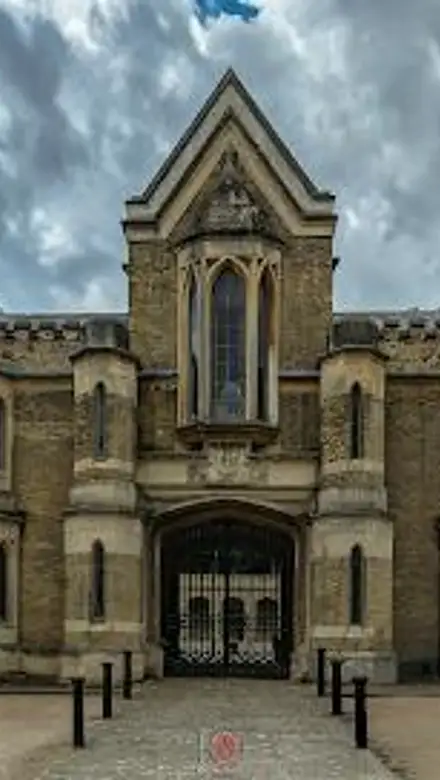
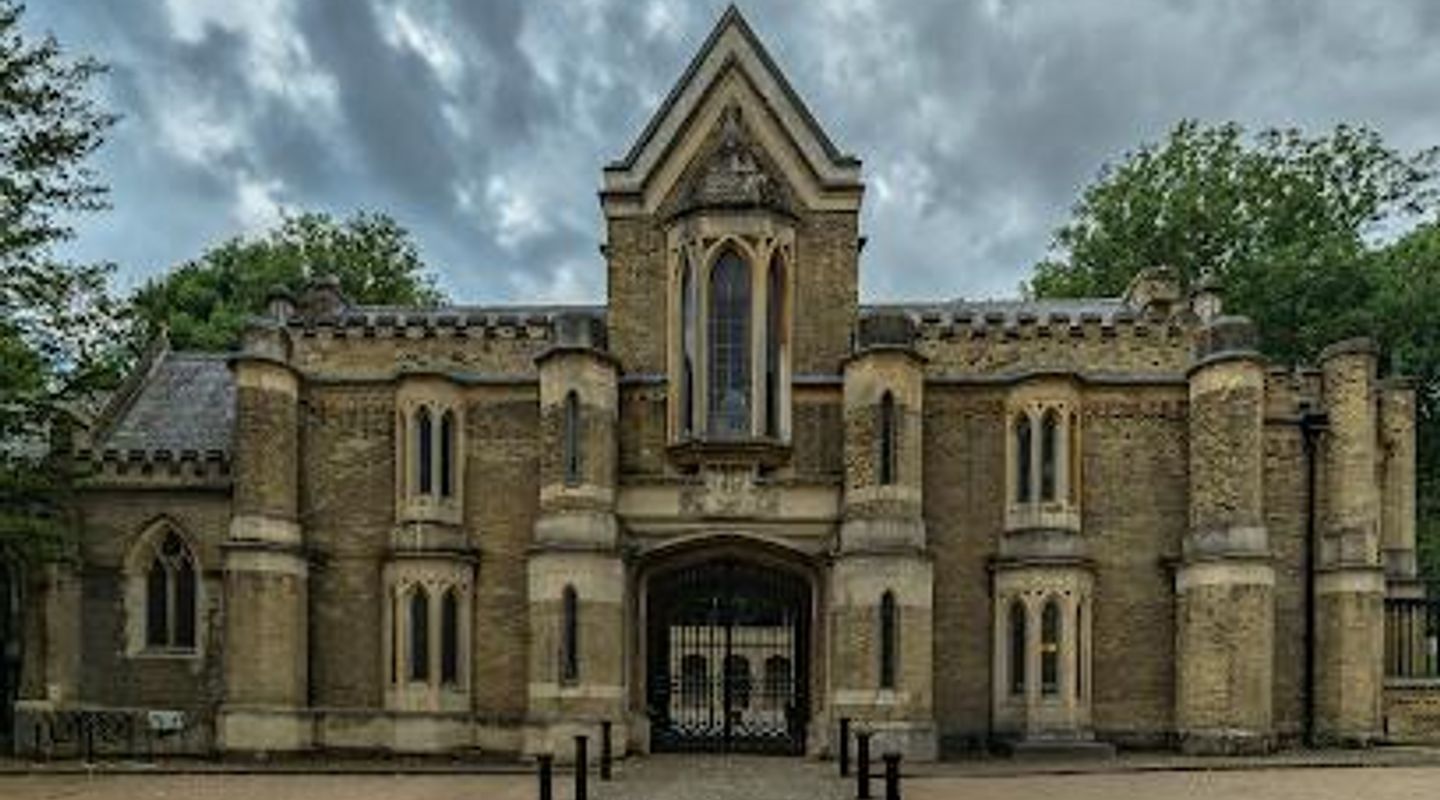
The cemetery’s design reflects the Victorian fascination with death and the afterlife. The entrance is flanked by two Tudor‑Gothic chapels – one Anglican, one for dissenters – and the landscaping uses dramatic elevation changes to create a sense of mystery. Egyptian Avenue, guarded by two imposing obelisks, leads to the Circle of Lebanon, a circular catacomb built around a once‑magnificent cedar tree. The catacombs themselves, with their vaulted chambers and exposed coffins, are among the most evocative features, accessible only on guided tours. Other standout monuments include the Mausoleum of Julius Beer, a near‑replica of the Mausoleum of Halicarnassus, one of the Seven Wonders of the World, and the Sleeping Angel of Mary Nichols, a delicate, vine‑covered sculpture. The cemetery’s layout encourages exploration, with narrow paths, hidden alcoves, and unexpected views opening up around every corner, making it feel more like a secret woodland park than a traditional graveyard.Home to the Famous and the Forgotten
Highgate is the final resting place of over 170,000 people, including many notable figures. Karl Marx’s imposing tomb in the East Cemetery is one of the most visited, often adorned with flowers and political tributes. Nearby lie novelist George Eliot (Mary Ann Evans), scientist Michael Faraday, bare‑knuckle boxer Tom Sayers (with his faithful dog Lion), and more recently, singer George Michael and writer Douglas Adams. Beyond the famous names, the cemetery tells the story of Victorian London through its countless ordinary graves – shopkeepers, artisans, and families whose lives are now remembered only by weathered inscriptions. The sheer density of graves, packed into 37 acres, speaks to the city’s rapid growth and the urgent need for burial space that led to the creation of Highgate and the other Magnificent Seven cemeteries.Legends, Lore, and the Living Cemetery
Highgate has long attracted those interested in the macabre and the supernatural. Tales of the ‘Highgate Vampire’ and other ghostly legends have circulated since the mid‑20th century, adding to its eerie reputation. The overgrown West Cemetery, with its dark vaults and isolated tombs, has featured in horror films and TV shows, reinforcing its image as one of London’s most haunted places. Yet Highgate is also very much alive as a nature reserve. Foxes, birds, and even a colony of cave‑dwelling spiders make their home among the graves, and the Friends of Highgate Cemetery work to preserve both the monuments and the ecosystem. The cemetery is not just a monument to the past, but a living, evolving space where history, nature, and myth intertwine in a uniquely London way.












Your all‑in‑one travel companion app
Explore expert travel guides, compare and book tours, experiences, hotels, and more—all from the palm of your hand. Download now for seamless trip planning wherever your wanderlust takes you.


Explore More of London
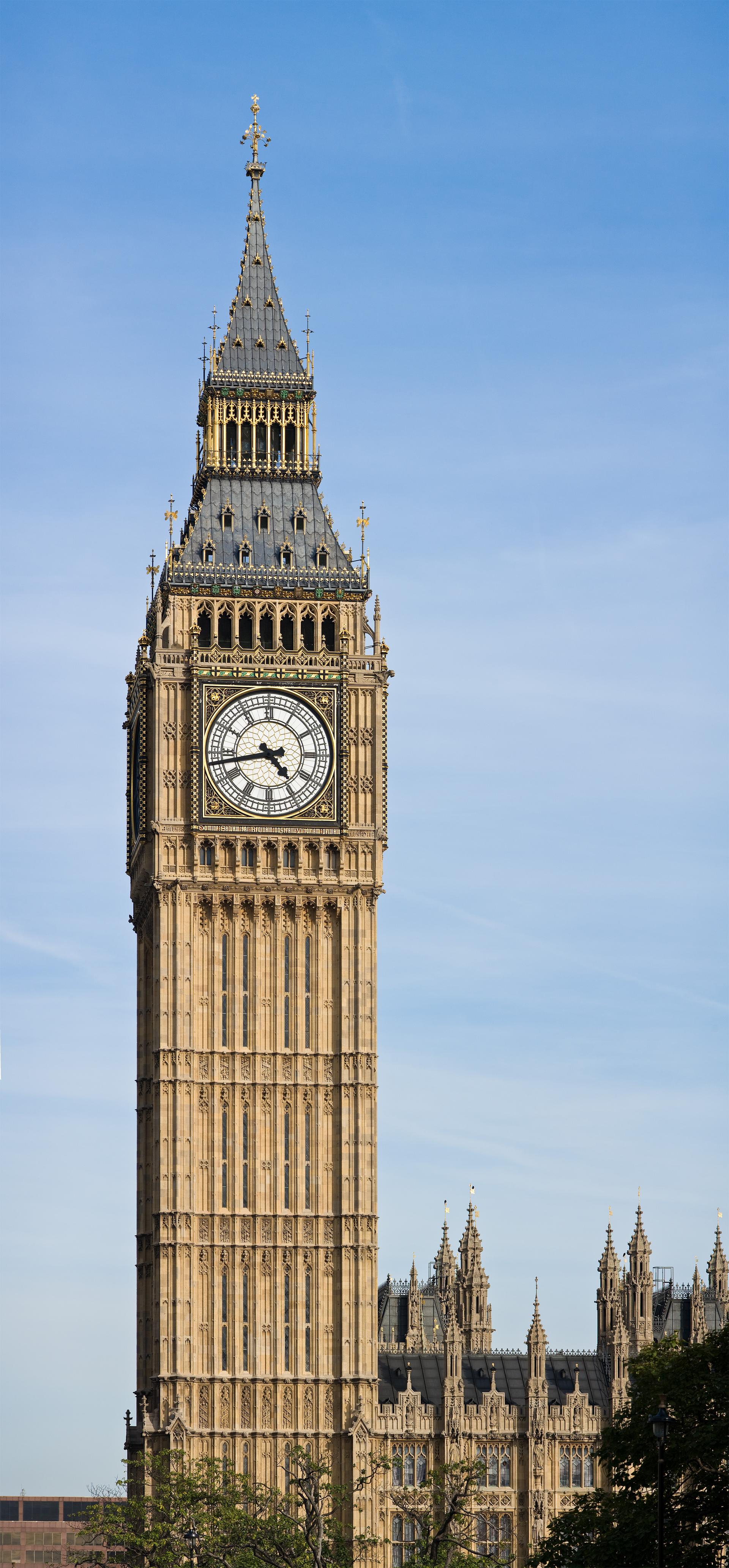
Looking beyond Highgate Cemetery? Discover London for broader travel guides, local hot-spots, and regional highlights.
Explore London
A compact Camden Lock gin distillery and shop, where retail browsing, local heritage, and small-scale tasting meet in a busy market setting.

A family-run Highgate distillery with bottle shop, tasting room and small-batch gin experiences on a historic north London high street.