Kennington Park, London Travel Guide
A south London park shaped by Victorian planning, Chartist history, flower beds, sports courts, and the everyday routines of local life.
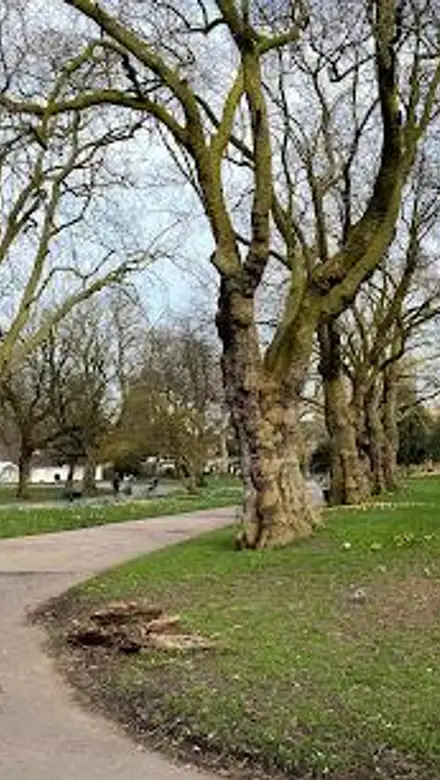
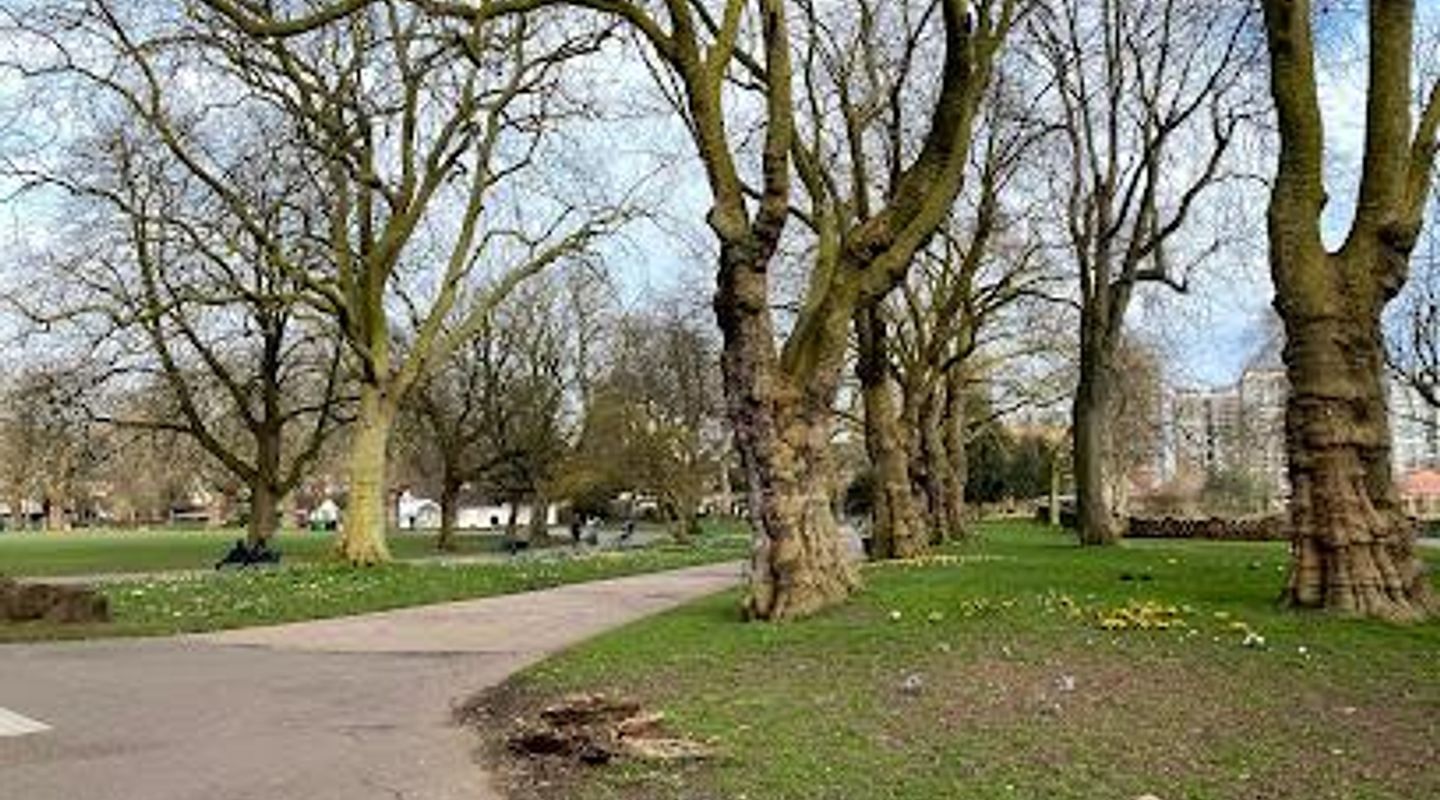
Kennington Park is a broad south London park where formal planting, open lawns, sports courts, and local foot traffic share the same ground. It is less a destination park than a working piece of city green space, with a restored Old English flower garden, memorials, a history hut, playgrounds, and paths used by runners, dog walkers, and families. The park’s deeper interest lies in its past as Kennington Common and its Chartist history.
A brief summary to Kennington Park
- Kennington Park Rd, London, SE11 4BE, GB
- Click to display
- Click to display
- Duration: 0.5 to 4 hours
- Free
-
 Outdoor
- Mobile reception: 4 out of 5

Know before you go
Hi, I'm Eve. Here are a few practical things to know before exploring Kennington Park.
- Go in late spring or summer if you want the flower garden and lawns at their best.
- Expect a local park rhythm: runners, dog walkers, families, and sports users rather than a single sightseeing crowd.
- If you are interested in London reform history, look for the memorials and heritage interpretation tied to the Chartist rally.
Do you manage this location?
Take control to get all the benefits, like improved information, better appearance, and stronger visibility across AI-powered discovery. Learn more about listing your business on Evendo
Activate your presenceOther nearby places you may find interesting
The closest places of the same kind, if this one is not quite what you had in mind.

Explore Kennington Park on the Map
A handpicked selection of must-see spots near Kennington Park, mapped for you.
Unlock the Best of Kennington Park
Buy tickets
-
No tickets available
Book tours with entry


Book tours without entry
-
No tours available
Getting There
-
Tube
Kennington and Oval are the nearest Underground stations; both are within practical walking distance, with total travel from central London often around 15 to 35 minutes plus a short walk.
-
Bus
Several bus routes serve the Kennington and Oval area, making this an easy inner-London stop if you are already travelling south of the river.
-
Bike
Cycling is realistic in this part of London, especially for visitors linking the park with nearby neighbourhoods or a longer south London route.
-
Taxi or rideshare
A direct drop-off is straightforward for groups, families, or visitors with limited mobility, though traffic and parking constraints make driving less convenient.
For the on-the-go comforts that matter to you
-
 Restrooms
-
 Drink Options
-
 Food Options
-
 Seating Areas
-
 Trash Bins
-
 Information Boards
Discover more about Kennington Park
What it is
Kennington Park is a large public park in south London, set in the Kennington area of the Borough of Lambeth. It combines Victorian-era planning with later additions, so the layout feels layered rather than monumental: winding paths, open grass, mature trees, a restored flower garden, sports courts, and play areas. It is a local park first and a visitor attraction second, which gives it a practical, lived-in character.The site began as Kennington Common, once used for grazing, gatherings, and public speeches. Its best-known historic moment came in 1848, when a huge Chartist rally gathered here in support of wider voting rights. That history still shapes the park’s identity, and you see it in the memorials, heritage interpretation, and history hut rather than in grand monuments.How a visit feels
Most visits unfold at an unhurried pace. You may enter for a short walk, cross the park on the way somewhere else, or stay longer for the flower garden, a café stop, or time on the lawns. The atmosphere is calm but not silent: joggers pass through, dogs move between paths and grass, children use the playground, and sports users occupy the courts and pitches. On good-weather days the park feels active without becoming crowded in one place.The restored Old English flower garden is the most composed part of the park, with planted beds and a more formal feel than the surrounding lawns. Elsewhere, the park is open and functional, with benches, tree shade, and broad sightlines that make it easy to orient yourself. It is a place for short pauses, routine exercise, and low-key outdoor time rather than a full-day sightseeing stop.Why travellers come
Travellers usually come for one of three reasons: to see a piece of London’s reform history, to take a break in a large inner-city green space, or to use the park as part of a longer local walk through Kennington and Oval. Heritage-minded visitors will appreciate the Chartist connection and the park’s survival as one of London’s early public parks. Families and casual walkers come for the playground, lawns, and easy circulation. Runners and dog walkers use it as a reliable everyday park with enough space to keep moving.It is especially rewarding in late spring and summer, when the planting looks strongest and the park’s social side is most visible. In colder or wetter months it becomes quieter and more functional, with fewer people lingering and more visitors simply passing through.Practical expectations
Kennington Park is free to enter and easy to reach by Tube, bus, bike, or taxi. It suits a brief 20- to 40-minute stop, but 1 to 2 hours is enough to see the main features without rushing. Facilities include toilets, a café, playgrounds, sports areas, and heritage interpretation, though some details vary by area. The park is generally accessible, but not every route is equally step-free, so visitors with mobility needs should plan carefully. This is a green space for everyday use, not a polished showpiece, and that is part of its appeal.












Your all‑in‑one travel companion app
Explore expert travel guides, compare and book tours, experiences, hotels, and more—all from the palm of your hand. Download now for seamless trip planning wherever your wanderlust takes you.


Explore More of London
Looking beyond Kennington Park? Discover London for broader travel guides, local hot-spots, and regional highlights.
Explore London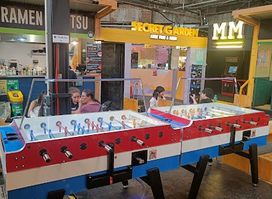
An indoor arcade stop in Elephant and Castle, where foosball and retro machines sit inside a busy food-market complex in central London.

Historic cricket ground and premier London venue blending sporting heritage with modern event excellence.