
Strand Lane Roman Bath: London's Enigmatic Historic Cold Bath
Discover London's hidden Tudor-era cold bath beneath Strand Lane, where history and myth intertwine in a unique urban relic.
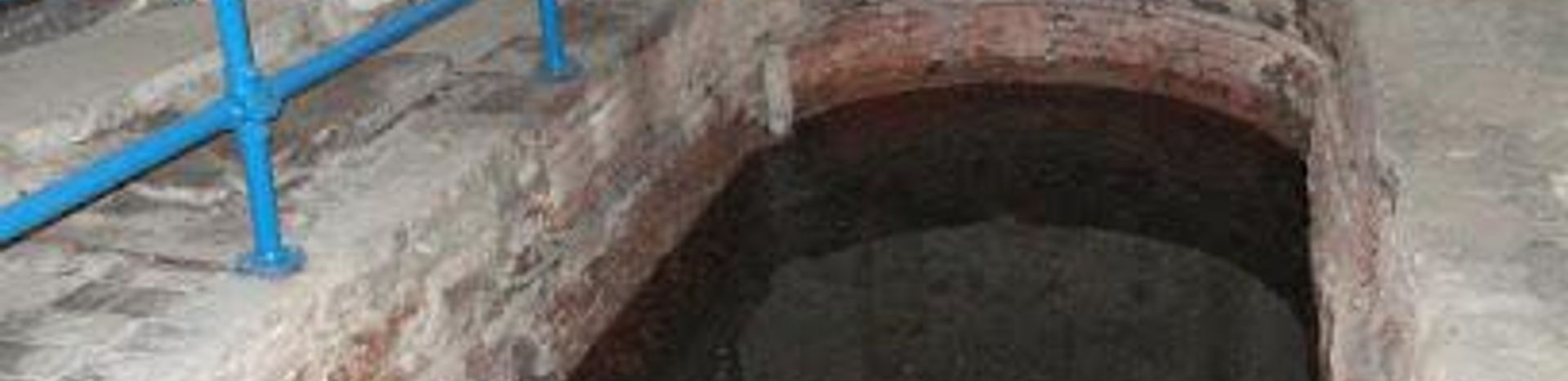
Nestled beneath 5 Strand Lane in London, the Strand Lane Roman Bath is a Grade II listed historic cold plunge bath dating back to the early 17th century. Originally built as a cistern in 1612 to feed the fountains of Somerset House, it was converted into a bathing facility in the 1770s. Though once believed to be Roman, research confirms it is a Tudor-era structure with a rich history tied to London's evolving urban fabric and social life.
A brief summary to National Trust - Strand Lane Roman Bath
- East Wing, 5 Strand Ln, Aldwych, London, WC2R 1AP, GB
- +442076415264
- Visit website
- Duration: 0.5 to 1.5 hours
- Mid ranged
-
 Indoor
- Mobile reception: 4 out of 5
- Monday 10 am-12:30 pm
- Tuesday 10 am-12:30 pm
- Wednesday 10 am-12:30 pm
- Thursday 10 am-12:30 pm
- Friday 10 am-12:30 pm
- Saturday 10 am-12:30 pm
Local tips
- Visit on Wednesdays between April and September for arranged public viewings; otherwise, viewing through the window is possible at any time.
- Contact the National Trust or Westminster Council in advance to arrange access inside the bath area.
- Bring a camera for photos through the viewing window, but be prepared for limited lighting and reflections.
- Combine your visit with nearby landmarks like Somerset House and St. Clement Danes Church to enrich your historical experience.

For the on-the-go comforts that matter to you
- Information Boards
Getting There
-
Public Transport
Take the London Underground to Temple Station, approximately a 10-minute walk from the bath. The station is served by the Circle and District lines. From there, walk along Surrey Street to Strand Lane. Note that the area is pedestrian-friendly but can be busy during peak hours.
-
Bus
Bus routes 139 and 176 stop near Aldwych, about a 7-minute walk from Strand Lane. Buses run frequently throughout the day. Be aware that traffic congestion can affect bus timings during rush hours.
-
Taxi or Rideshare
A taxi or rideshare from central London locations typically takes 10–20 minutes depending on traffic. Drop-off is possible near Strand Lane, but parking is very limited in the area.
National Trust - Strand Lane Roman Bath location weather suitability
-
 Any Weather
-
 Rain / Wet Weather
-
 Clear Skies
-
 Mild Temperatures
Discover more about National Trust - Strand Lane Roman Bath
Origins and Architectural Evolution
The Strand Lane Roman Bath began life in 1612 as a cistern designed to supply water to the elaborate fountains of the nearby Somerset House, an important royal palace rebuilt by Inigo Jones under King James I for Anne of Denmark. This cistern was part of a sophisticated water system feeding ornamental garden features, including a grotto fountain with sculptures by Salomon de Caus. In the 1770s, James Smith transformed this utilitarian structure into a cold plunge bath, adding a second bath known as the ‘Essex Bath’ nearby, which was more elaborately tiled and marble-lined.The Myth of Roman Origins
The bath acquired its misleading 'Roman' label in 1838, a marketing move by the then proprietor Charles Scott to revive waning interest. Despite popular belief and literary mentions—such as in Charles Dickens’ "David Copperfield"—archaeological investigations have shown the bath is not Roman but Tudor in origin. The bath’s location outside the Roman city walls and lack of Roman architectural features support this conclusion. Nevertheless, the Roman association has become part of its enduring allure.Historical Significance and Social Role
Throughout the 18th and 19th centuries, the bath served as a public cold plunge pool, frequented by Londoners seeking its reputedly clear, fresh spring water. The bath’s history includes colorful anecdotes, such as a fare-dodger drowning incident in 1777 and the death of an MP in 1792. Ownership changed hands multiple times, with the site eventually being acquired by the National Trust in 1944. The London County Council took responsibility for its maintenance, recognizing its value as a historical curiosity rather than a Roman relic.Preservation and Public Access
Today, the Strand Lane Roman Bath is a protected Grade II listed site, preserved as a rare surviving example of Tudor-era water infrastructure and 18th-century bathing culture. The bath is located about 1.5 meters below street level and can be viewed through a window in the East Wing of 5 Strand Lane. Public access is limited and typically requires prior arrangement. The National Trust manages the site, emphasizing its historical narrative and architectural features rather than its mythical Roman past.Setting and Surroundings
The bath sits in a quiet alleyway near Aldwych, close to significant London landmarks such as Somerset House and St. Clement Danes Church. Strand Lane itself was once a stream bed and a thoroughfare leading to the Thames before urban development raised the street level by about 20 feet. The bath’s discreet location and modest scale contrast with the grandeur of nearby historic buildings, offering a unique glimpse into London's layered history beneath the modern cityscape.Legacy and Cultural Impact
The Strand Lane Roman Bath embodies the complex interplay between history, myth, and urban development. Its story reflects changing attitudes toward heritage and the use of historical narratives for commercial purposes. While not Roman, the bath remains a fascinating relic of London's past, celebrated for its architectural survival and its place in the cultural imagination as a mysterious and evocative site.For the vibe & atmosphere seeker
- Unique
- Tranquil
- Historic
For the design and aesthetic lover
- Rustic Designs
- Vintage Styles
For the architecture buff
- Historic
- Heritage Neighborhoods
For the view chaser and sunset hunter
- Iconic Views
For the social media creator & influencer
- Instagrammable
- Photo Spots
For the eco-conscious traveler
- Public-Transport Accessible
- Locally Managed
For the kind of experience you’re after
- Cultural Heritage
- Photowalk
- Day Trip
For how adventurous you want the journey to be
- Easy Access
Location Audience
- Family Friendly
- Senior Friendly
- Child Friendly
- Solo Friendly
- Couple Friendly


