
Punch Tavern, London Travel Guide
A Victorian gin palace where Punch magazine's satirical genius was born, now a Grade II listed Fleet Street institution.
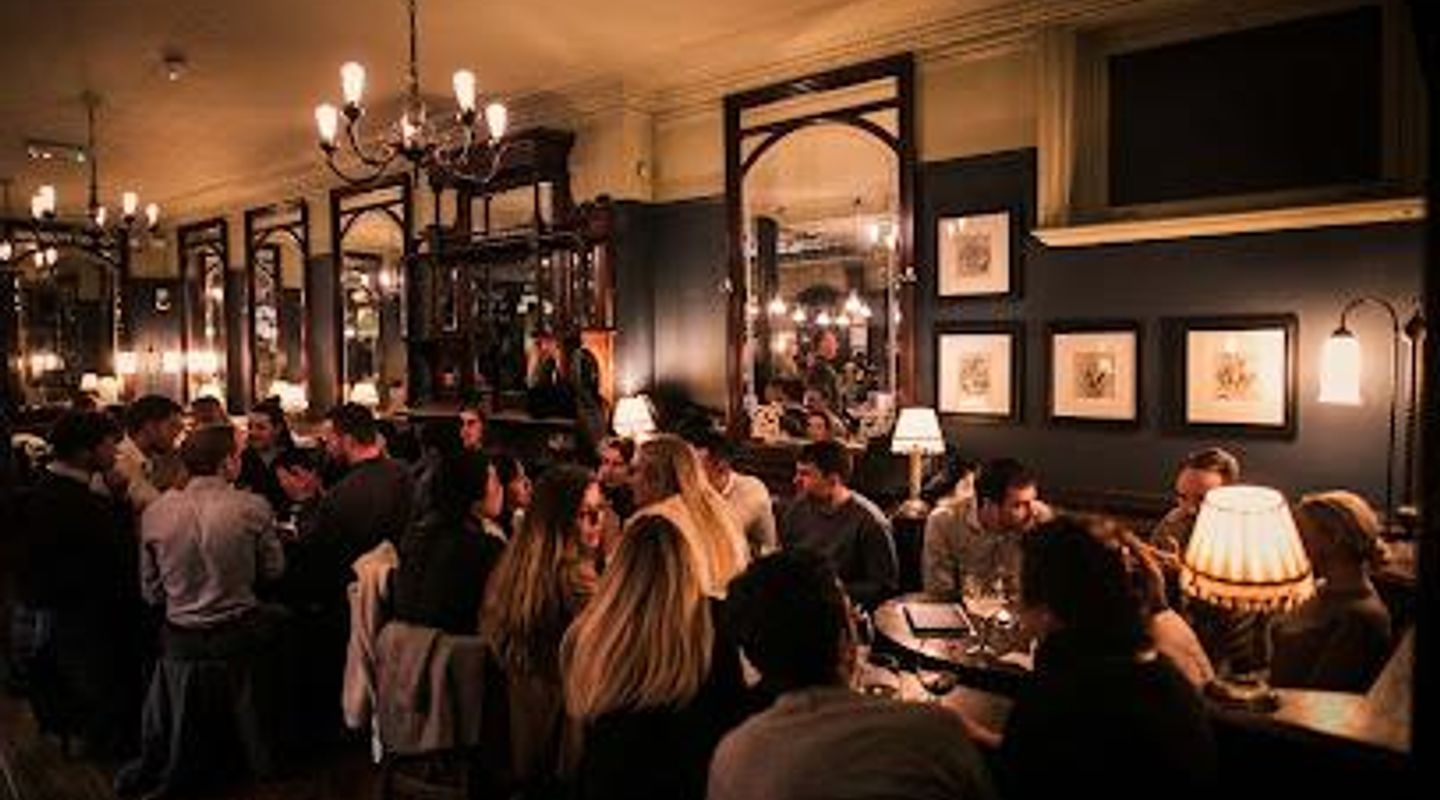
A Grade II listed Victorian gin palace on Fleet Street, the Punch Tavern is a historic London pub steeped in literary and journalistic heritage. Originally known as the Crown and Sugar Loaf, it was renamed in the 1840s after the satirical magazine Punch, whose editorial staff famously gathered here to craft the wit and satire that defined British humour for over 150 years. Rebuilt in 1894–97 by architects Saville and Martin, the pub retains its ornate Victorian character with etched mirrors, marble bar, dark oak panelling, and original Punch and Judy paintings. Today it remains a beloved institution in the City, offering traditional English fare and a tangible connection to Fleet Street's golden age of journalism and publishing.
A brief summary to Punch Tavern
- 99 Fleet St, London, EC4Y 1DE, GB
- Click to display
- Click to display
- Duration: 1 to 3 hours
- Mid ranged
-
 Indoor
- Mobile reception: 5 out of 5
- Monday 12 pm-11 pm
- Tuesday 12 pm-11 pm
- Wednesday 12 pm-11 pm
- Thursday 12 pm-11 pm
- Friday 12 pm-11 pm
- Saturday 12 pm-11 pm
- Sunday 12 pm-10 pm

Know before you go
Hi, I'm Eve. Here are a few practical things to know before exploring Punch Tavern.
- Arrive outside peak weekday lunch hours (12:00–14:00) to avoid the frenetic City crowd and fully appreciate the pub's Victorian interior and historical details without feeling rushed.
- Study the original etched mirrors, marble bar, and Punch and Judy paintings dating from 1897—these are among the finest surviving examples of Victorian pub craftsmanship in London.
- Examine the entrance corridor's Victorian tiles and mosaics, which set the tone for the entire experience and showcase the architects' attention to decorative detail.
- Participate in the weekly pub quiz if you visit on quiz night—it's a genuine local tradition that connects you to the pub's ongoing community role beyond its historical significance.
- Visit St Paul's Cathedral and St Bride's Church nearby (both within 300 metres) to contextualise Fleet Street's role as a historic corridor linking journalism, religion, and commerce in the City of London.
Do you manage this location?
Take control to get all the benefits, like improved information, better appearance, and stronger visibility across AI-powered discovery. Learn more about listing your business on Evendo
Activate your presenceOther nearby places you may find interesting
The closest places of the same kind, if this one is not quite what you had in mind.


Explore Punch Tavern on the Map
A handpicked selection of must-see spots near Punch Tavern, mapped for you.
Unlock the Best of Punch Tavern
Buy tickets
-
No tickets available
Book tours with entry


Book tours without entry
-
No tours available
Getting There
-
London Underground
Blackfriars Station is approximately 300 metres away (5–7 minute walk). Take the District, Circle, or Metropolitan Line to Blackfriars. Exit onto Queen Victoria Street and head north-east toward Fleet Street. The pub is located on the south side of Fleet Street, near Ludgate Circus. No accessibility barriers on this route, though stairs are required to exit the station.
-
Bus
Multiple bus routes serve Fleet Street, including routes 4, 11, 15, 23, 26, 172, and 341. Alight at stops on Fleet Street near Ludgate Circus. Journey times from central London typically range from 15–25 minutes depending on traffic. Buses run frequently throughout the day, with reduced service on Sundays and public holidays.
-
Walking from St Paul's Cathedral
St Paul's Cathedral is approximately 300 metres away (4–5 minute walk). Exit the cathedral precinct and head south-east toward Ludgate Hill, which becomes Fleet Street. The Punch Tavern is located on the south side of Fleet Street, identifiable by the Mr Punch sign. The route is entirely on level pavement with good pedestrian infrastructure.
-
Taxi or Ride-Share
Postcode EC4Y 1DE. Taxis and ride-share services can drop you directly outside the pub on Fleet Street. Journey times from central London vary between 10–20 minutes depending on traffic conditions. Typical fares from nearby attractions range from £8–15. Street-level access is straightforward with no steps required to enter.
For the on-the-go comforts that matter to you
-
 Restrooms
-
 Drink Options
-
 Food Options
-
 Seating Areas
-
 Information Boards
Punch Tavern location weather suitability
-
 Any Weather
Discover more about Punch Tavern
A Pub Born from Literary Brilliance
The Punch Tavern stands as a living monument to one of Britain's most influential cultural institutions. Originally established as the Crown and Sugar Loaf in the 17th century, the pub underwent a transformation in the late 1840s when the staff of Punch magazine—the groundbreaking satirical publication founded in 1841—began meeting here regularly. The magazine's name itself derives from the traditional punch drink, a heady mixture that the founders believed captured the essence of their publication: a blend of news, illustrations, and biting satire. The pub's owner, recognizing the prestige of hosting such creative minds, renamed the establishment to honour its most illustrious patrons. From that point forward, the Punch Tavern became synonymous with the magazine's legendary output, and much of the brilliance that graced its pages was actually conceived within these walls over cigars, brandy, and animated debate.The Heart of Fleet Street Journalism
For nearly two centuries, Fleet Street served as the beating heart of London's newspaper industry, and the Punch Tavern occupied a privileged position within this ecosystem. Journalists, editors, illustrators, and writers would congregate here between deadlines, transforming the pub into an informal editorial office where ideas were tested, refined, and occasionally abandoned in favour of more inspired alternatives. The magazine's weekly staff meetings took place over dinner, with topics for each edition's cartoons determined over lengthy discussions fuelled by alcohol and creative energy. This bohemian atmosphere produced some of the most memorable satire in British history, lampooning everyone from Prime Ministers Gladstone and Disraeli to later figures including Tony Blair, and tackling subjects ranging from the Suffragettes to Hitler and Margaret Thatcher. The magazine's early readership included luminaries such as Charlotte Brontë, Emily Dickinson, Robert Browning, Queen Victoria, and Prince Albert, testament to its cultural significance.Victorian Splendour Reimagined
The pub's physical form reflects the ambitions and aesthetics of the Victorian era. Rebuilt in two phases between 1894 and 1897 by the renowned architects Saville and Martin, the Punch Tavern was transformed into a gin palace—a term applied to lavishly decorated bars that emerged in the early 19th century when gin was cheap and wildly popular. The architects created a masterpiece of ornamental design, with the main frontage and Fleet Street elevation completed first in 1894–95, followed by the Bride Lane frontage and its adjoining Luncheon Bar in 1896–97. The Grade II listed building showcases exceptional period detailing: a barrel-vaulted skylight just inside the entrance floods the space with natural light, while the interior features original dark oak panelling, an acanthus frieze, dentil cornicing, and ceiling panels divided by acanthus scrolls and garlands. The bar itself is constructed of marble, and the original etched mirrors and glass panels remain largely intact, creating an atmosphere of refined Victorian elegance that has survived more than a century of social and architectural change.Artistic Legacy Preserved in Glass and Paint
Among the pub's most distinctive features are the original Punch and Judy paintings dating from 1897, which adorn the walls and serve as visual reminders of the magazine's iconic imagery. These artworks reference the puppet show tradition from which the magazine took its name—Mr Punch first appeared in London in 1662 as part of the travelling Punch and Judy entertainment that delighted crowds for centuries. The pub's exterior signage depicts Mr Punch himself, a figure instantly recognisable to generations of Londoners. The entrance corridor is particularly striking, paved with glorious Victorian tiles and mosaics that immediately signal the building's historical importance and aesthetic ambition. These decorative elements, combined with the carefully preserved interior fittings, create an immersive Victorian environment that transports visitors back to the era when the pub was at the centre of London's cultural conversation.From Magazine Closure to Modern Reinvention
Punch magazine's fortunes declined significantly after the 1940s, when its circulation peaked. The publication struggled through subsequent decades, eventually ceasing publication in 1992. It was briefly revived in 1996 but closed again in 2002, marking the end of an extraordinary 150-year run. The Punch Tavern itself underwent significant changes in the 1990s following an internal management dispute that resulted in the pub splitting into two separate businesses. The rear section, which had previously operated as a bookshop, was brought back into use as part of the main pub and has since been recreated in Victorian style by Samuel Smith's, the Yorkshire brewery that now operates the establishment. This separation also saw the resurrection of the original Crown and Sugar Loaf name for the adjacent premises on Bride Lane, creating an interesting historical echo.A Destination for History and Conviviality
Today, the Punch Tavern maintains its character as a welcoming local institution while serving as a pilgrimage site for those interested in London's literary and journalistic heritage. The pub offers a reasonably priced menu featuring traditional English fare alongside more contemporary dishes, and it hosts a popular weekly pub quiz that draws regulars and visitors alike. The atmosphere remains convivial without being pretentious, and the pub successfully balances its role as a working neighbourhood establishment with its status as a Grade II listed building of considerable historical significance. The two skylights that illuminate the main bar area add considerably to the sense of space and character, while the original fixed seating on the left-hand side and the collection of etched glass panels in the bar-back evoke the pub's Victorian heyday. For anyone seeking to understand the intersection of London's architectural heritage, journalistic history, and pub culture, the Punch Tavern offers an authentic and deeply rewarding experience.












Your all‑in‑one travel companion app
Explore expert travel guides, compare and book tours, experiences, hotels, and more—all from the palm of your hand. Download now for seamless trip planning wherever your wanderlust takes you.


Explore More of London
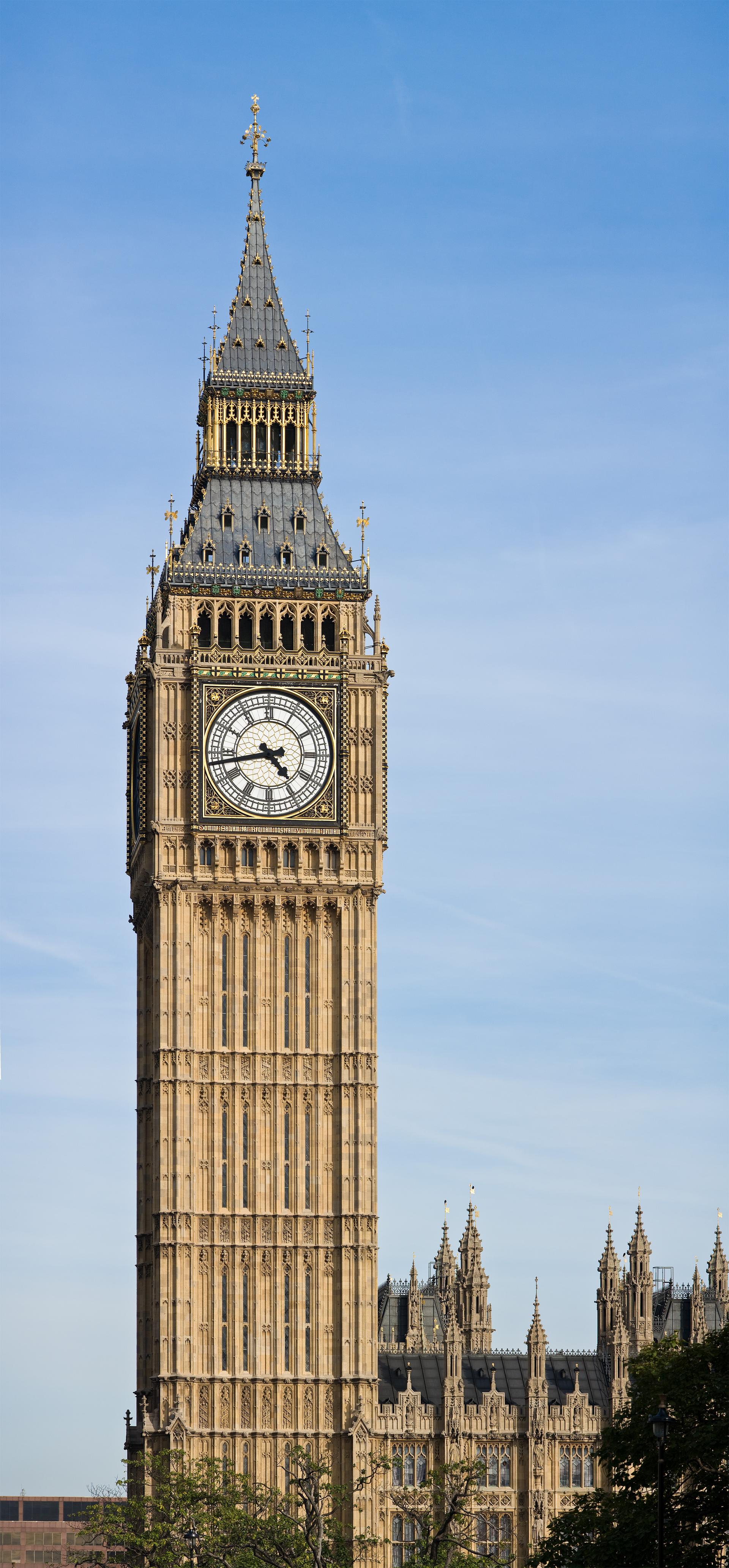
Looking beyond Punch Tavern? Discover London for broader travel guides, local hot-spots, and regional highlights.
Explore London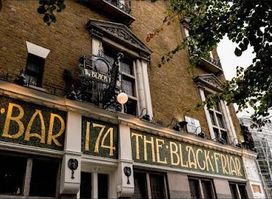
A Grade II* listed City pub with friar-themed Art Nouveau detail, compact street presence, and a richly decorated interior near Blackfriars.
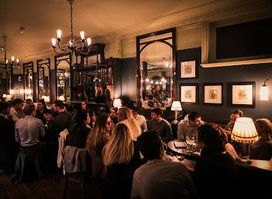
Discover The Punch Tavern, a historic pub on Fleet Street, serving traditional British fare and a vast selection of drinks in a charming atmosphere.
