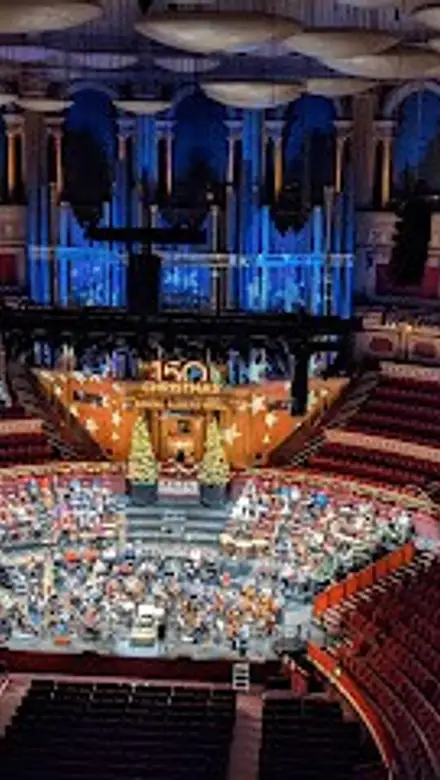
Royal Albert Hall, London Travel Guide
Free Guide: A Grade I listed concert hall in South Kensington, known for its circular auditorium, major performances and deep ties to London’s arts history.


A brief summary of Royal Albert Hall
A Grade I listed concert hall in South Kensington, known for its circular auditorium, major performances and deep ties to London’s arts history.
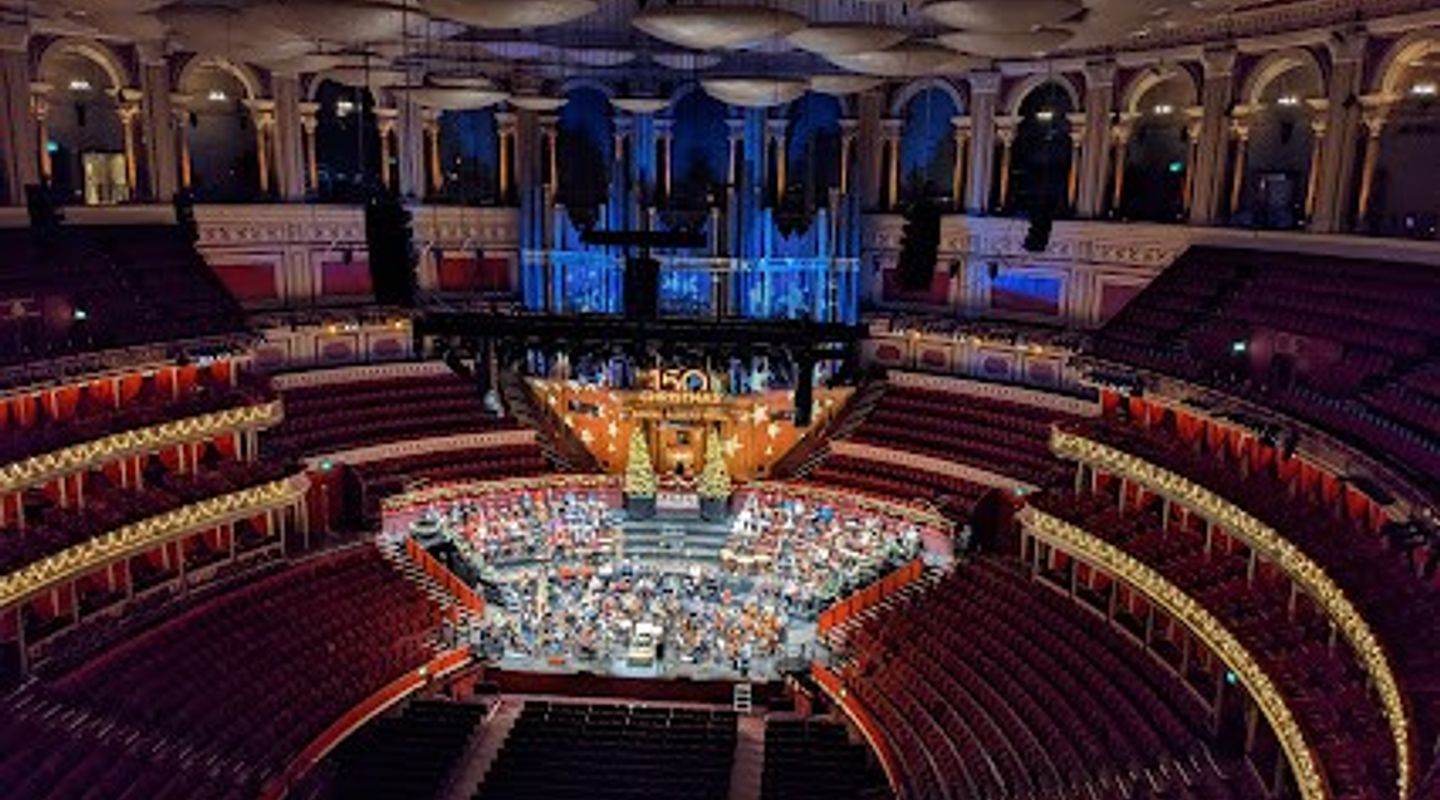
Royal Albert Hall is one of London’s most recognisable performance venues, a Grade I listed concert hall that has hosted music, ceremonies and major cultural events since 1871. Visitors come for concerts, guided tours and the building itself: a vast circular auditorium, red-brick exterior and a strong sense of British arts history. It is most rewarding when paired with South Kensington’s museums and landmarks.
On-site amenities
 Restrooms
 Drink options
 Food options
 Seating areas
 Sheltered areas
 Trash bins
 Information boards
 Visitor centre
- Address
- Kensington Gore, South Kensington, London SW7 2AP
- Phone
- Website
Getting there
Tube
Bus
Taxi / rideshare
Driving
Discover more about Royal Albert Hall
What it is
Royal Albert Hall is a major concert hall and cultural landmark in South Kensington, built in the wake of the Great Exhibition and opened in 1871. It is not a casual sightseeing stop so much as an active performance venue with a long public life. The building’s circular form, listed status and archive-backed heritage give it a weight that goes beyond its programme of concerts and ceremonies.
How the visit feels
Most visits are event-led. You arrive, pass through the front-of-house spaces, and either take your seat for a performance or join a tour that focuses on the building’s history and working life. The atmosphere changes with the programme: formal and hushed for some concerts, busier and more social for others, with foyers filling quickly before curtain-up and again at interval. It is a place where timing matters more than wandering.
The setting
The hall sits in a dense urban district of museums, embassies, terraces and broad London roads, with Kensington Gardens and the Albert Memorial nearby. The exterior is the main visual draw from the street: red brick, rounded massing and a scale that reads as civic rather than intimate. Inside, the experience is dominated by the auditorium and the practical rhythms of a working venue. There is little sense of lingering in landscaped grounds; the appeal is architectural and cultural, not pastoral.
Why travellers go
People come here for different reasons, but the common thread is scale and reputation. Music fans attend major concerts and recurring programmes such as the Proms. Architecture-minded visitors come to see one of London’s most distinctive performance buildings. Others use it as part of a South Kensington day, combining it with nearby museums and a walk through one of the city’s most concentrated cultural quarters. A tour or exterior visit can be done in under two hours, while an evening performance turns it into a half-day outing.
Practical expectations
The hall is easy to reach by Tube, bus or taxi, though event nights bring congestion and limited parking. It is best treated as a timed visit rather than a place to drop into aimlessly. Facilities are geared to a large venue, with cloakroom, food and drink, and retail services, but the experience remains focused on the event or tour rather than on browsing. For travellers who want London’s arts history in a single building, this is one of the city’s clearest examples.
Evendo Review Centre
 Google
Guest reviews
Best time to go
Quietest: Jan, Feb & Nov · before 10am or from 11pm
Busy times are Evendo estimates for a typical year, to help you plan. Actual crowds vary with events, school holidays and the weather.
Explore Royal Albert Hall on the map
A handpicked selection of must-see spots near Royal Albert Hall, mapped for you.
Get your free copy of our complete guide to Royal Albert Hall, delivered straight to you.
Everything on this page, from opening hours and how to get there to Eve’s tips and the best time to go, in one PDF you can read offline, print or share.
Already have an account? Sign in
Your Royal Albert Hall guide is ready.
We'll send it to · Not you? Sign out

Getting your guide ready…
We are putting together a fresh copy of the Royal Albert Hall guide. This can take up to a minute.
This can take a few moments. If your browser asks, choose Allow so the download can start. You'll find the guide in your Downloads folder.
Nothing happened? Download it again
Sorry, the guide is taking longer than usual. Please try again in a minute, or get it by email instead.
Unlock the best of Royal Albert Hall
Skip-the-line tickets, guided tours with entry, and walking tours of the area, booked in a few clicks.



Other nearby places you may find interesting
The closest places of the same kind, if this one is not quite what you had in mind.
-
-
-
-
-


Swipe for more places
More to explore near Royal Albert Hall

 Best experiences near Royal Albert Hall
 Best hotels near Royal Albert Hall
 Best landmarks near Royal Albert Hall
 Best attractions near Royal Albert Hall
 Best shops near Royal Albert Hall
 Best restaurants near Royal Albert Hall
 Best bars near Royal Albert Hall
Do you manage this location?
Take control to get all the benefits, like improved information, better appearance, and stronger visibility across AI-powered discovery.
Explore more

Explore more of London
Explore London: A city of iconic landmarks, rich history, vibrant culture, and endless attractions that cater to every taste, making it a must-visit destination.
Explore London
Explore more of United Kingdom
Discover the United Kingdom: A blend of rich history, stunning landscapes, and vibrant cities, offering a unique travel experience for every visitor.
Explore United Kingdom