
Royal Exchange, London Travel Guide
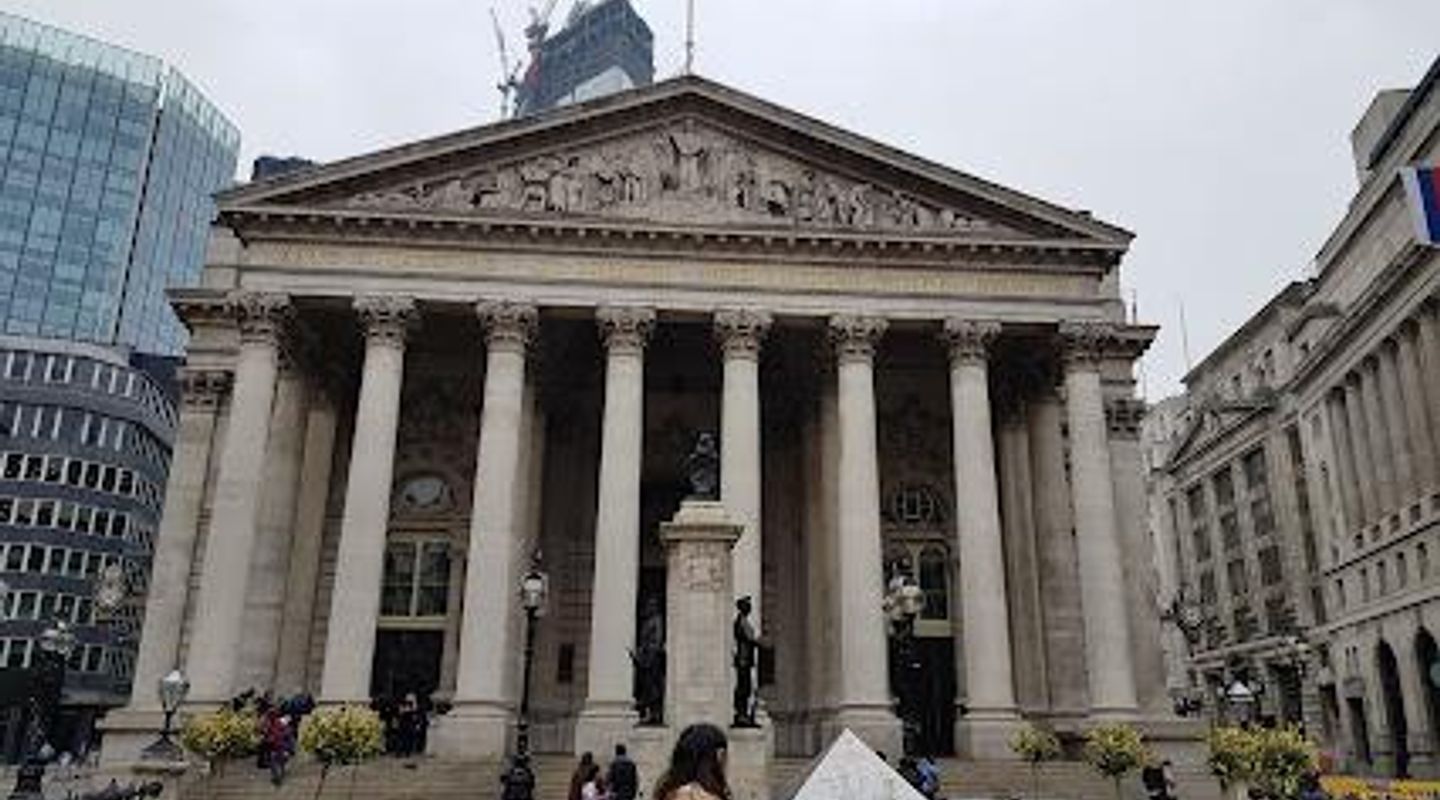
London’s historic Royal Exchange: a grand neoclassical hub where centuries of commerce and culture converge in the heart of the financial district.
The Royal Exchange in London, established in 1566 by Sir Thomas Gresham and officially opened by Queen Elizabeth I in 1571, served as a pioneering hub for merchants and traders. Located in the City of London near Bank junction, this neoclassical building has been the heart of commerce, surviving two major fires and evolving from a marketplace to a prestigious centre for financial institutions, luxury shops, and dining.
A brief summary to Royal Exchange
- London, EC3V 3LT, GB
- Duration: 0.5 to 2 hours
- Mid ranged
-
 Outdoor
- Mobile reception: 5 out of 5

Know before you go
Hi, I'm Eve. Here are a few practical things to know before exploring Royal Exchange.
- Visit during weekdays to experience the bustling financial district atmosphere and enjoy quieter moments in the courtyard.
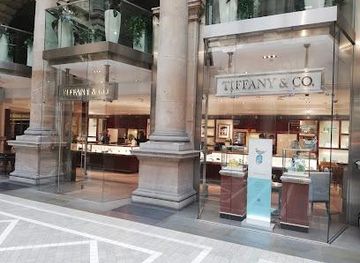
- Explore the luxury shops and restaurants housed within the Royal Exchange for a blend of history and modern elegance.
- Take time to admire the neoclassical architecture and the detailed sculptures that depict London’s commercial heritage.
- Learn about the building’s resilience by noting its reconstruction after two major fires, reflecting London’s enduring spirit.
Do you manage this location?
Take control to get all the benefits, like improved information, better appearance, and stronger visibility across AI-powered discovery. Learn more about listing your business on Evendo
Activate your presenceOther nearby places you may find interesting
The closest places of the same kind, if this one is not quite what you had in mind.
Explore Royal Exchange on the Map
A handpicked selection of must-see spots near Royal Exchange, mapped for you.
Unlock the Best of Royal Exchange
Buy tickets
-
No tickets available
Book tours with entry


Book tours without entry
-
No tours available
Getting There
-
Public Transport
Take the London Underground to Bank station, served by Central, Northern, Waterloo & City, and DLR lines. The station is approximately a 5-minute walk from the Royal Exchange. Tickets cost between £2.50 and £6.00 depending on zones and time.
-
Bus
Several bus routes serve the Bank junction area, including routes 8, 11, 23, and 133. Buses run frequently throughout the day, and a single fare costs £1.75 with an Oyster or contactless card.
-
Taxi or Rideshare
Taxis and rideshare services like Uber can drop you near the Royal Exchange. Depending on traffic, travel time from central London locations ranges from 10 to 30 minutes. Expect fares from £10 upwards.
-
Walking
If staying nearby in the City of London, walking to the Royal Exchange is pleasant and convenient. The terrain is flat and accessible, with walking times ranging from 10 to 20 minutes from major landmarks like St. Paul's Cathedral.
For the on-the-go comforts that matter to you
-
 Restrooms
-
 Drink Options
-
 Food Options
-
 Seating Areas
-
 Information Boards
Royal Exchange location weather suitability
-
 Any Weather
-
 Rain / Wet Weather
-
 Clear Skies
-
 Mild Temperatures
Discover more about Royal Exchange
Origins of a Commercial Landmark
The Royal Exchange was founded in 1566 by Sir Thomas Gresham, inspired by the Antwerp Bourse, to centralize and organize the bustling trade activities of London merchants. Before its establishment, commerce was conducted haphazardly in streets and shops. Queen Elizabeth I inaugurated the Exchange in 1571, granting it a royal title and licenses that underscored its importance. It was designed as a place where merchants from across Europe could meet, exchange goods, and share news, creating a vital node in international trade networks.Architectural Evolution and Resilience
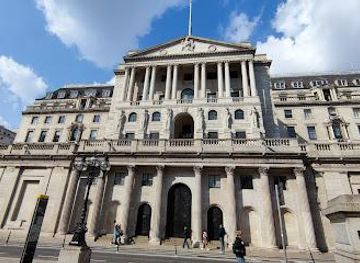
The original building was destroyed in the Great Fire of London in 1666 but was quickly rebuilt and continued to thrive as a commercial centre. A second devastating fire in 1838 led to the construction of the current building, completed in 1844 by Sir William Tite. This neoclassical structure features a trapezoidal floor plan, a grand portico with Corinthian columns, and a large internal courtyard where trading took place. The building’s design incorporates ornamental cast ironwork and pediment sculptures, blending functionality with grandeur.A Hub of Financial Innovation and Culture
Throughout its history, the Royal Exchange has housed various financial institutions, including insurance companies and trading houses, and was home to the London International Financial Futures Exchange in the 1980s. It also played a cultural role, appearing in plays and serving as a gathering place for merchants to exchange not only goods but also information and ideas. Its courtyard was a lively centre of commerce and social interaction, often referred to as the 'Eye of London' for its prominence.Modern-Day Significance and Use
Today, the Royal Exchange no longer functions as a trading floor but has been transformed into a luxury shopping and dining destination, retaining its historic charm and architectural elegance. It remains owned jointly by the City of London Corporation and the Worshipful Company of Mercers, linking its past to its present. The building’s resilience through centuries of change and disaster reflects London’s enduring role as a global financial capital.Symbolism and Legacy
The Royal Exchange symbolizes the evolution of commerce from informal street trading to organized financial markets. Its establishment marked the beginning of London’s rise as a centre of global trade and finance. The statue of the Duke of Wellington, once standing outside, cast from captured enemy cannons, exemplifies the building’s connection to British history and power. The Exchange’s legacy continues to influence modern financial institutions and retail culture in London.Architectural and Cultural Highlights
Visitors to the Royal Exchange can admire its neoclassical façade, the intricate sculptures and reliefs depicting scenes from London’s commercial history, and the spacious courtyard that once buzzed with traders. The building’s location at Bank junction places it at the heart of London’s financial district, surrounded by landmarks such as the Bank of England. Its blend of historical significance and contemporary luxury makes it a unique destination for those interested in commerce, architecture, and London’s heritage.












Your all‑in‑one travel companion app
Explore expert travel guides, compare and book tours, experiences, hotels, and more—all from the palm of your hand. Download now for seamless trip planning wherever your wanderlust takes you.


Explore More of London
Looking beyond Royal Exchange? Discover London for broader travel guides, local hot-spots, and regional highlights.
Explore London
Indoor crazy golf in the City of London, with cocktails, street food, and a timed social format that suits groups, dates, and office nights out.

A compact City of London crossroads where the Royal Exchange, Bank-era finance and classical stone façades frame a brisk heritage walk.
