

Shadwell Basin, London Travel Guide
Historic dock turned vibrant waterside community and activity hub on the Thames in East London’s maritime heart.
Shadwell Basin is a preserved historic dock in East London, part of the former London Docks complex. Today, it serves as a vibrant leisure and residential area featuring waterside housing, recreational water sports, and scenic walking paths along the Thames. Surrounded by notable landmarks like St. Paul's Church and the Prospect of Whitby pub, it blends maritime heritage with modern urban life.
A brief summary to Shadwell Basin
- London, E1W 3RY, GB
- Duration: 1 to 3 hours
- Budget
-
 Outdoor
- Mobile reception: 4 out of 5

Know before you go
Hi, I'm Eve. Here are a few practical things to know before exploring Shadwell Basin.
- Visit the Shadwell Basin Outdoor Activity Centre to try sailing, kayaking, or canoeing, with sessions available year-round.
- Explore the nearby St. Paul's Church and its conservation area for a glimpse into the maritime heritage of the area.
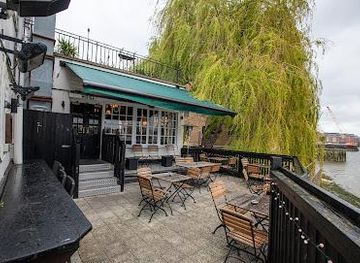
- Enjoy a drink or meal at the historic Prospect of Whitby pub, a classic riverside tavern with deep local roots.
- Walk or cycle along the basin’s waterfront paths to experience peaceful views and spot the restored bascule bridge.
Do you manage this location?
Take control to get all the benefits, like improved information, better appearance, and stronger visibility across AI-powered discovery. Learn more about listing your business on Evendo
Activate your presenceOther nearby places you may find interesting
The closest places of the same kind, if this one is not quite what you had in mind.
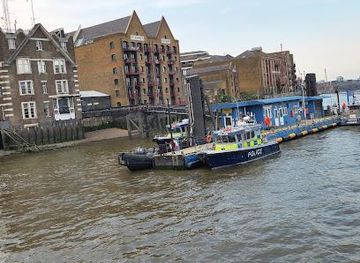
Explore Shadwell Basin on the Map
A handpicked selection of must-see spots near Shadwell Basin, mapped for you.
Unlock the Best of Shadwell Basin
Buy tickets
-
No tickets available
Book tours with entry

Book tours without entry

Getting There
-
Public Transport
Take the Docklands Light Railway (DLR) to Shadwell station, served frequently with trains running approximately every 5-10 minutes. From the station, it is a 5-7 minute walk to Shadwell Basin. Tickets cost around £2.50-£4.50 depending on zones and time of day.
-
London Overground
Use the London Overground line to Shadwell station, with trains running every 10-15 minutes. The station is well connected and accessible. Walking from the station to the basin takes about 7 minutes.
-
Bus
Several London bus routes serve the Shadwell area, including routes 100 and D3. Bus stops are within a 5-10 minute walk of the basin. Fares are standard London bus fares, approximately £1.75 per journey with contactless payment.
-
Walking
If staying nearby in East London, walking to Shadwell Basin is pleasant and accessible via flat, paved paths. Walking times vary but typically range from 15 to 30 minutes from neighborhoods like Wapping or Limehouse.
For the on-the-go comforts that matter to you
-
 Restrooms
-
 Drink Options
-
 Food Options
-
 Seating Areas
-
 Trash Bins
-
 Information Boards
Shadwell Basin location weather suitability
-
 Any Weather
-
 Clear Skies
-
 Mild Temperatures
-
 Rain / Wet Weather
Discover more about Shadwell Basin
A Living Remnant of London's Maritime Past
Shadwell Basin stands as the largest surviving section of the historic London Docks, originally constructed by the London Dock Company in the 19th century. Unlike many docks that were filled in after closure, Shadwell Basin was retained and repurposed, preserving a vital piece of London's maritime heritage. It occupies a strategic location on the north bank of the River Thames, nestled between Tower Bridge and Limehouse, marking the easternmost part of the former dock complex.Architectural and Urban Transformation
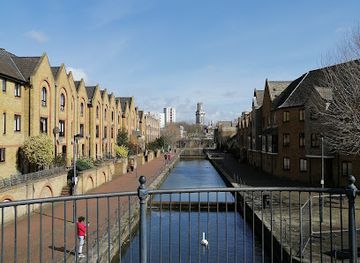
In the late 1980s, the basin was transformed into a waterside residential and leisure area. The surrounding housing development, designed by British architects MacCormac, Jamieson, Prichard and Wright, features 169 modern flats and houses that embrace the basin’s waterfront setting. The area combines historic dockside elements with contemporary urban living, creating a unique architectural dialogue between past and present.Recreational Activities and Community Life
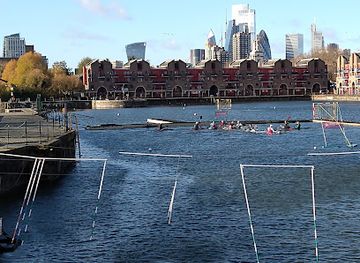
Today, Shadwell Basin is a hub for water-based recreation including sailing, canoeing, kayaking, and fishing, supported by the Shadwell Basin Outdoor Activity Centre. The centre offers training and events for all ages, fostering community engagement and outdoor adventure. The basin’s tranquil waters and surrounding walkways also attract joggers, cyclists, and dog walkers, making it a lively yet peaceful urban oasis.Historic Landmarks and Cultural Significance
The basin is framed by several historic landmarks that enrich its cultural landscape. To the north lies St. Paul's Church, known as the Church of Sea Captains, with a dramatic spire and a conservation area extending to the water’s edge. Nearby, the former Wapping Hydraulic Power Station building and the iconic Prospect of Whitby pub evoke the area's industrial and social history. The King Edward VII Memorial Park to the east provides green space leading to the Thames.Bridges and Engineering Heritage
Shadwell Basin is notable for its Scherzer bascule bridge on the eastern entrance, a 1930s engineering feat restored during the 1980s redevelopment. This rolling bascule bridge, with its distinctive seesaw action, is one of the few remaining functional dock bridges in London, symbolizing the area’s industrial past and continuing connection to the river.Atmosphere and Visitor Experience
Visitors to Shadwell Basin experience a harmonious blend of history, nature, and urban vitality. The calm waters reflect the sky and surrounding architecture, while the sounds of watercraft and wildlife create a soothing ambiance. The basin’s proximity to the Thames and nearby cultural sites offers a refreshing perspective on London’s East End, inviting exploration and relaxation alike.












Your all‑in‑one travel companion app
Explore expert travel guides, compare and book tours, experiences, hotels, and more—all from the palm of your hand. Download now for seamless trip planning wherever your wanderlust takes you.


Explore More of London
Looking beyond Shadwell Basin? Discover London for broader travel guides, local hot-spots, and regional highlights.
Explore London
Discover Ratcliff Beach, a hidden pebble shore on the Thames with stunning Canary Wharf views and rich maritime history in East London.
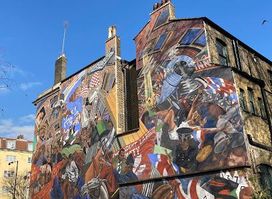
A large East London mural in Shadwell commemorating the Battle of Cable Street, best visited as part of a reflective heritage walk.
