Sinfonia Smith Square Travel Guide
Free Guide: Experience world-class classical music in a stunning 18th-century Baroque concert hall at the heart of Westminster.


A brief summary of Sinfonia Smith Square
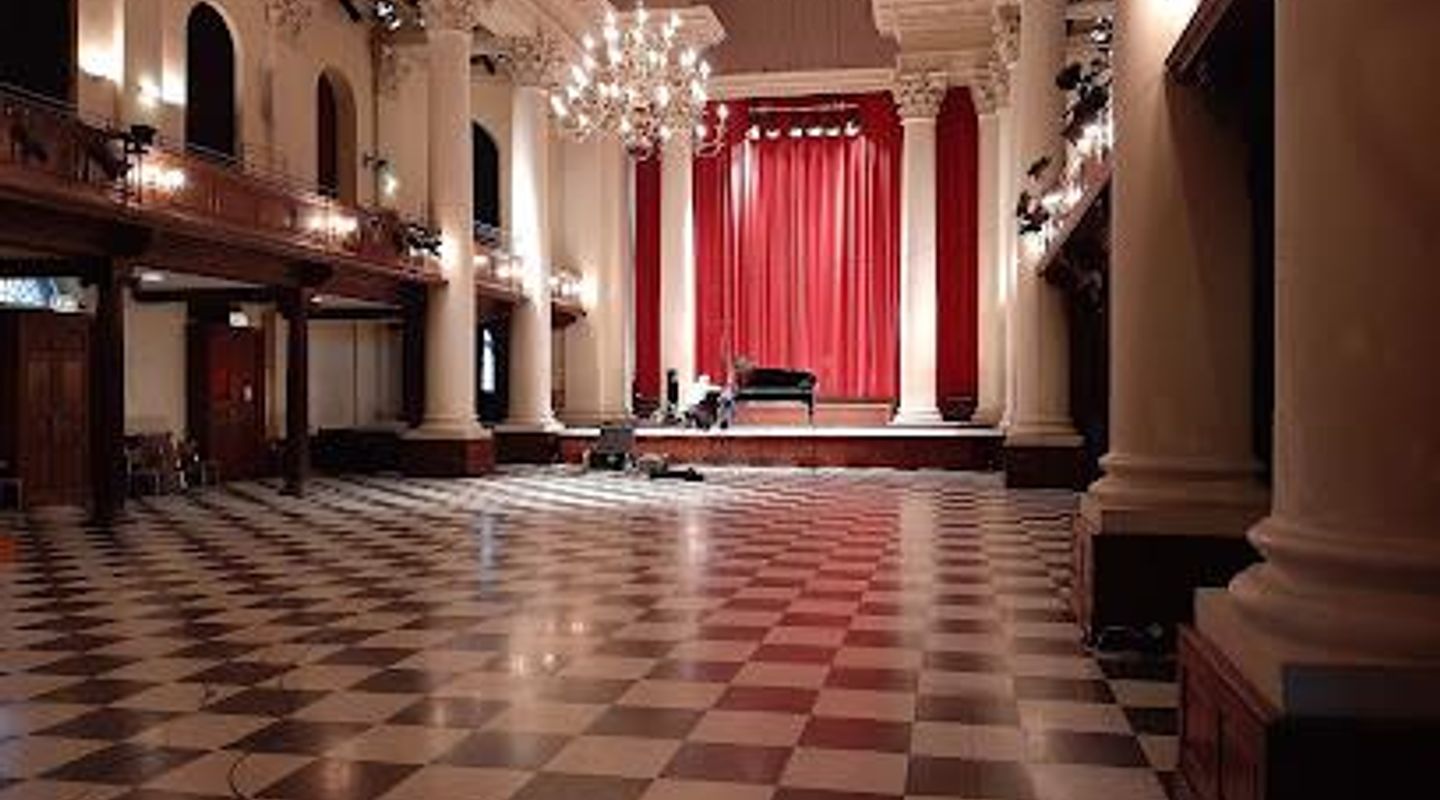
Experience world-class classical music in a stunning 18th-century Baroque concert hall at the heart of Westminster.
Sinfonia Smith Square, located in the heart of Westminster, London, is a Grade I listed Baroque masterpiece originally built as St John's Smith Square church in the early 18th century. After surviving fires and wartime bombing, it was restored and transformed into one of London’s finest concert halls, renowned for its exceptional acoustics and rich classical music programming. The venue hosts world-class performances and nurtures emerging musical talent in a historic and atmospheric setting.
On-site amenities
 Restrooms
 Drink options
 Food options
 Seating areas
 Information boards
 Visitor centre
Opening hours
- Mon10 am–5 pm
- Tue10 am–5 pm
- Wed10 am–5 pm
- Thu10 am–5 pm
- Fri10 am–5 pm
- SatClosed
- SunClosed
Opening hours as listed on the venue’s Google Business Profile. Hours can change for services and special events, so check with the venue before you go.
- Address
- Smith Square, London SW1P 3HA
- Phone
- Website
Getting there
London Underground
Bus
Taxi or Rideshare
Walking
Discover more about Sinfonia Smith Square
Architectural Brilliance of Early Georgian London
Sinfonia Smith Square, formerly known as St John's Smith Square, stands as a stunning example of English Baroque architecture designed by Thomas Archer and completed in 1728. Its distinctive four-turreted silhouette, famously nicknamed 'Queen Anne's Footstool,' reflects a unique design story involving royal influence. The building occupies the center of Smith Square, a historic garden square in Westminster developed in the early 18th century by the Smith banking family. The church’s grand stone façade and intricate detailing make it a Grade I listed architectural treasure, emblematic of London's rich heritage.
Survival Through Turbulence and Transformation
The building's history is marked by resilience. It suffered a devastating fire in 1742 and was severely damaged during the Blitz in 1941, when incendiary bombs gutted its interior and destroyed three of its four towers. For over two decades, the church remained a ruin until Lady Parker of Waddington spearheaded a restoration campaign in the 1960s. The restoration, completed between 1965 and 1969, faithfully revived Archer’s original design while converting the space into a concert hall. The inaugural recital in 1969 featured the celebrated soprano Dame Joan Sutherland, marking the building’s rebirth as a cultural venue.
A World-Class Venue for Music and Culture
Since reopening, Sinfonia Smith Square has earned a reputation as one of London's premier concert halls, celebrated for its superb acoustics suitable for a wide range of musical genres, especially classical and chamber music. It hosts internationally renowned artists, choirs, chamber orchestras, and emerging musicians through the Sinfonia Smith Square orchestra, a fellowship program supporting young talent. The venue also offers diverse programming including Baroque festivals, jazz nights, and family-friendly events, making it a vibrant hub for music lovers.
Modern Enhancements and Accessibility
The venue has undergone continual improvements to enhance visitor experience and accessibility. A significant upgrade introduced a lift and adapted facilities, ensuring wheelchair access to the concert hall, crypt café, and box office. The crypt also houses the Footstool Café, named in homage to the building’s nickname, providing a welcoming space for refreshments. Recent plans include further refurbishment to maintain the building’s architectural integrity while expanding its role as a flexible, inclusive cultural space.
Historical Features and Cultural Significance
Visitors can explore the rich history embedded in the hall, including a poignant handwritten note recounting the 1941 bombing and a Union Jack flag saved from the fire, symbolizing hope and resilience. The building's role has evolved from a parish church to a beacon of musical excellence, with royal patronage and a commitment to community engagement. Its location near the Palace of Westminster situates it amid London’s political and cultural heart, adding to its unique atmosphere.
Community and Future Vision
Sinfonia Smith Square represents a fusion of heritage and forward-looking ambition. The 2021 merger of the concert hall with Southbank Sinfonia created a dynamic organisation dedicated to nurturing young musicians and delivering world-class performances. The venue aims to remain a vibrant cultural landmark, fostering partnerships across the arts and expanding its educational and community outreach. This blend of historic grandeur and contemporary creativity ensures Sinfonia Smith Square’s enduring place in London’s cultural landscape.
Evendo Review Centre
 Google
Guest reviews
Best time to go
Quietest: Jan, Feb & Dec · before 8am
Busy times are Evendo estimates for a typical year, to help you plan. Actual crowds vary with events, school holidays and the weather.
Explore Sinfonia Smith Square on the map
A handpicked selection of must-see spots near Sinfonia Smith Square, mapped for you.
Get your free copy of our complete guide to Sinfonia Smith Square, delivered straight to you.
Everything on this page, from opening hours and how to get there to Eve’s tips and the best time to go, in one PDF you can read offline, print or share.
Already have an account? Sign in
Your Sinfonia Smith Square guide is ready.
We'll send it to · Not you? Sign out

Getting your guide ready…
We are putting together a fresh copy of the Sinfonia Smith Square guide. This can take up to a minute.
This can take a few moments. If your browser asks, choose Allow so the download can start. You'll find the guide in your Downloads folder.
Nothing happened? Download it again
Sorry, the guide is taking longer than usual. Please try again in a minute, or get it by email instead.
Unlock the best of Sinfonia Smith Square
Skip-the-line tickets, guided tours with entry, and walking tours of the area, booked in a few clicks.
 Tour with entry
London Bike Tour: Landmarks, Secret Gems, Pub Stop & Street Art
from $81.65 Tour with entry
Private Westminster Walking Tour in London
from $251.23 Tour with entry
London Private Taxi Tour: Royals & Hidden Gems with Hotel Pickup
from $496.18 Tour with entry
Private Family Bike Tour of London, fun for all ages!
from $533.87
Other nearby places you may find interesting
The closest places of the same kind, if this one is not quite what you had in mind.
-
Victoria Tower Gardens South A small Westminster riverside park with Parliament views, memorials, benches, and open lawns for a short, quiet break beside the Thames.
-
Jewel Tower Explore the Jewel Tower, a rare medieval treasure tower of London’s royal past, showcasing exquisite architecture and centuries of history.
-
Dean's Yard A compact green precinct beside Westminster Abbey, where stone walls, clipped lawns and royal history create a calm pause in central London.
-
Royal Court London’s Royal Court Theatre: A historic beacon for groundbreaking new plays and emerging playwrights in the heart of Sloane Square.
-
Westminster Abbey A working royal church in central London, Westminster Abbey combines coronations, tombs and Gothic interiors in one tightly packed historic visit.
Swipe for more places
More to explore near Sinfonia Smith Square

 Best experiences near Sinfonia Smith Square
 Best hotels near Sinfonia Smith Square
 Best landmarks near Sinfonia Smith Square
 Best attractions near Sinfonia Smith Square
 Best shops near Sinfonia Smith Square
 Best restaurants near Sinfonia Smith Square
 Best bars near Sinfonia Smith Square
Do you manage this location?
Take control to get all the benefits, like improved information, better appearance, and stronger visibility across AI-powered discovery.