
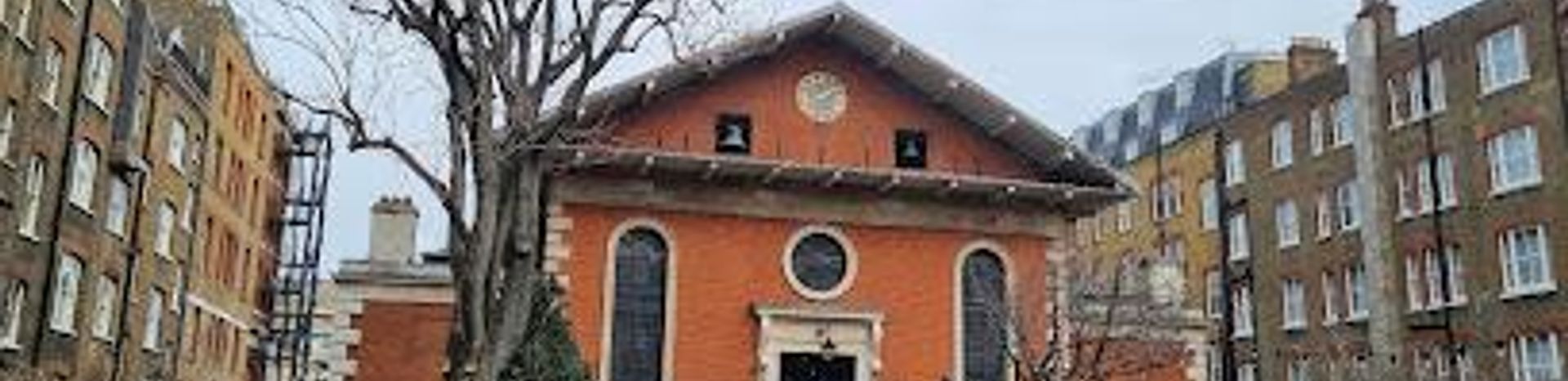
St Paul’s Church Covent Garden: The Historic Actors' Church
Historic neo-classical church in Covent Garden, famed for its theatrical heritage and iconic reversed portico entrance.
St Paul’s Church Covent Garden, known as the Actors' Church, is a Grade I listed Anglican church designed by Inigo Jones in the early 1630s. Located on Bedford Street in London, it is famed for its unique reversed entrance, rich theatrical associations, and its role as a cultural landmark in Covent Garden. The church blends neo-classical architecture with centuries of history, including a major fire in 1795 and subsequent restorations, making it a vibrant hub for worship and the performing arts community.
A brief summary to St Paul’s Church Covent Garden
- Bedford St, London, WC2E 9ED, GB
- +442078365221
- Visit website
- Duration: 0.5 to 2 hours
- Free
-
 Outdoor
- Mobile reception: 5 out of 5
- Monday 8:30 am-5:30 pm
- Tuesday 8:30 am-5:30 pm
- Wednesday 8:30 am-5:30 pm
- Thursday 8:30 am-5:30 pm
- Friday 8:30 am-5:30 pm
Local tips
- Visit the churchyard gardens for a tranquil break from the bustling Covent Garden market.
- Look for the many commemorative plaques inside the church honoring theatre professionals.
- Notice the unique reversed entrance: the grand portico faces the piazza but is a false front.
- Check the church’s event calendar for special theatrical and musical performances.
- Admire the exquisite wooden pulpit carved by Grinling Gibbons, a masterpiece of baroque craftsmanship.

For the on-the-go comforts that matter to you
- Restrooms
- Drink Options
- Food Options
- Seating Areas
- Information Boards
Getting There
-
London Underground
Take the Piccadilly Line to Covent Garden station, approximately a 5-10 minute walk on flat terrain to the church. The station has lifts for step-free access. Tickets cost around £2.50–£5 depending on zones.
-
Bus
Several London bus routes stop near Covent Garden, including routes 9, 15, and 242. Travel time varies from 15 to 30 minutes from central London. Buses are accessible, and fares start at £1.75 with contactless payment.
-
Walking
From Leicester Square or Holborn, it’s a pleasant 10-15 minute walk through central London streets. The terrain is flat and suitable for wheelchairs and strollers.
-
Taxi or Rideshare
A taxi or rideshare from central London takes about 10-20 minutes depending on traffic, with fares typically ranging from £8 to £15. Drop-off is available close to Bedford Street.
St Paul’s Church Covent Garden location weather suitability
-
 Any Weather
-
 Rain / Wet Weather
-
 Clear Skies
-
 Mild Temperatures
Discover more about St Paul’s Church Covent Garden
Architectural Origins and Design by Inigo Jones
St Paul’s Church Covent Garden was commissioned in 1631 by Francis Russell, the 4th Earl of Bedford, as part of the development of the Covent Garden Piazza. The church was designed by Inigo Jones, England’s first significant neo-classical architect, who modeled the piazza and church on Italian Renaissance principles inspired by Palladio. Completed by 1633 and consecrated in 1638, the church is notable for its austere, barn-like simplicity, which Jones famously described as the "handsomest barn in England." Its most striking feature is the grand Tuscan portico facing the piazza, originally intended as the main entrance. However, Christian tradition required the altar to be at the east end, so the portico is a false front, and the actual entrance is at the west end, giving the church its distinctive reversed layout.Historical Significance and Theatrical Connections
St Paul’s quickly became intertwined with the vibrant theatrical life of Covent Garden, earning the nickname the "Actors’ Church." It served as a spiritual home for actors, playwrights, and other theatre professionals from the 17th century onward. The churchyard and interior walls are adorned with hundreds of plaques commemorating notable figures from the performing arts, including actors, directors, playwrights, and musicians. Famous individuals such as painter JMW Turner and composer Thomas Arne have been baptized or buried here. The church’s cultural significance is further highlighted by its association with historic events, including Samuel Pepys witnessing the first recorded Punch and Judy show under its portico and its connection to the legendary Nell Gwynne.Challenges, Fire, and Restoration
In the late 18th century, St Paul’s fell into disrepair and underwent a major restoration led by architect Thomas Hardwick, completed in 1789. Tragically, a fire in 1795, caused by plumbers working on the bell turret, gutted much of the church, leaving only the walls standing. Hardwick was again commissioned to restore the church, which reopened in 1798 closely following Jones’s original design. Subsequent Victorian-era modifications, including the removal of side galleries and raising of the east end altar, altered the interior but preserved its historic character. The church has since remained an active place of worship and a cherished heritage site.Atmosphere and Visitor Experience Today
Today, St Paul’s Covent Garden continues to serve both its parish community and the theatrical world. The church’s interior offers a contemplative space filled with theatrical memorabilia and commemorative plaques, creating a unique blend of spirituality and cultural history. The churchyard, landscaped with rose bushes and garden benches, invites quiet reflection amid the bustling Covent Garden area. The iconic east portico remains a symbol of the church’s architectural and cultural identity, famously featured in Bernard Shaw’s "Pygmalion." The church also hosts a variety of events, including weddings, baptisms, memorials, and theatrical gatherings, maintaining its role as a living landmark.Legacy and Cultural Importance
St Paul’s Church stands as a testament to early Protestant architecture in England and the enduring legacy of Inigo Jones’s neo-classical vision. Its historical layers—from its 17th-century origins through fires, restorations, and evolving theatrical ties—reflect the dynamic social and cultural fabric of London. The church’s commitment to inclusivity and the arts continues to attract visitors and worshippers alike, preserving its reputation as the heart of Covent Garden’s artistic community and a symbol of London’s rich heritage.Notable Features and Surroundings
The church’s location on Bedford Street places it at the center of Covent Garden’s lively market and theatre district. Its Grade I listed status recognizes its architectural and historic significance. Visitors can admire the contrasting facades—the grand, imposing portico facing the piazza and the warmer, red-brick western entrance. Inside, the pulpit carved by Grinling Gibbons remains a masterpiece of craftsmanship. The church’s gardens, once a burial ground, now provide a peaceful green space amid the city’s hustle, linking past and present in a uniquely evocative setting.For the vibe & atmosphere seeker
- Tranquil
- Scenic
- Unique
- Casual
For the design and aesthetic lover
- Minimalist Designs
- Vintage Styles
For the architecture buff
- Historic
- Landmarks
- Sacred Sites
For the view chaser and sunset hunter
- Iconic Views
For the social media creator & influencer
- Instagrammable
- Photo Spots
- Architectural Shots
For the eco-conscious traveler
- Public-Transport Accessible
For the kind of experience you’re after
- Cultural Heritage
- Myth & Legends
- Photowalk
- Day Trip
- Weekend Getaway
For how adventurous you want the journey to be
- Easy Access
Location Audience
- Family Friendly
- LGBT Friendly
- Senior Friendly
- Child Friendly
- Teen Friendly
- Wheelchair Access
- Pet Friendly
- Solo Friendly
- Couple Friendly
- Solo Female Friendly
- Vegetarian Friendly
- Vegan Friendly


