

The Long Walk, London Travel Guide
A majestic 2.65-mile tree-lined ceremonial avenue connecting Windsor Castle to the Copper Horse, steeped in royal history and natural splendor.
A magnificent 2.65-mile tree-lined avenue stretching from Windsor Castle to the Copper Horse statue in Windsor Great Park, this historic ceremonial route was conceived by King Charles II in the 1680s. Originally planted with elm trees and redesigned by landscape architect André Le Nôtre, the avenue showcases formal European garden principles with its symmetrical design. Today, it remains one of Britain's most iconic royal promenades, offering sweeping views of the castle and parkland while serving as a living testament to centuries of royal pageantry and British heritage.
A brief summary to The Long Walk
- The Long Walk Rd, Windsor, GB
- Click to display
- Click to display
- Duration: 1.5 to 3 hours
- Free
-
 Outdoor
- Mobile reception: 4 out of 5

Know before you go
Hi, I'm Eve. Here are a few practical things to know before exploring The Long Walk.
- Wear comfortable walking shoes—the full distance is 2.65 miles one way, and the return journey can take 1.5 to 2 hours depending on pace and stops.
- Visit during autumn rutting season (September to early November) with caution; deer may display aggressive behavior. Check visitor updates before traveling, as the Deer Park occasionally closes during this period.
- Keep dogs on a short lead and under close control at all times. Stay on main tracks and maintain distance from deer; binoculars or telephoto lenses are ideal for wildlife observation.
- Park in Windsor town center car parks and walk east from the Guildhall through Park Street to enter the Long Walk—no official parking exists nearby, and vehicles are not permitted on the avenue itself.
- Early morning or late afternoon visits offer the best light for photography and fewer crowds, allowing you to fully appreciate the avenue's architectural symmetry and castle views.
Do you manage this location?
Take control to get all the benefits, like improved information, better appearance, and stronger visibility across AI-powered discovery. Learn more about listing your business on Evendo
Activate your presenceOther nearby places you may find interesting
The closest places of the same kind, if this one is not quite what you had in mind.

Explore The Long Walk on the Map
A handpicked selection of must-see spots near The Long Walk, mapped for you.
Unlock the Best of The Long Walk
Buy tickets
-
No tickets available
Book tours with entry


Getting There
-
Walking from Windsor Town Centre
From Windsor town center car parks, walk east past the Guildhall and Parish Church into Park Street, entering the Long Walk through the Park Street gateway. This approach takes approximately 15–20 minutes on foot and provides the most direct pedestrian access to the avenue. No parking exists directly at the Long Walk itself.
-
Coach or Organized Tour
Coach services can access the Long Walk via Old Windsor from the south-east, crossing the avenue to allow brief photographic stops. Drivers typically slow momentarily but cannot stop for extended periods. Many organized tours from London include the Long Walk as part of Windsor Castle day trips, with journey times from central London approximately 45–60 minutes depending on traffic.
-
Cycling Access
Bicycles are not permitted to ride along the Long Walk itself. However, cyclists can access Windsor Great Park via alternative routes and park bicycles before entering the avenue on foot. Cycling to Windsor town center from surrounding areas is feasible, with secure parking available in town.
-
Public Transport from London
Train services run regularly from London Waterloo and London Paddington to Windsor Central Station, with journey times of 50–70 minutes. From Windsor Central Station, walk approximately 15 minutes through the town center to access the Long Walk via Park Street. Return trains operate frequently throughout the day.
For the on-the-go comforts that matter to you
-
 Restrooms
-
 Drink Options
-
 Food Options
-
 Information Boards
-
 Seating Areas
-
 Picnic Areas
The Long Walk location weather suitability
-
 Any Weather
-
 Clear Skies
-
 Mild Temperatures
Discover more about The Long Walk
A Royal Vision Takes Shape
The Long Walk emerged from the ambitious vision of King Charles II in the late 17th century, who sought to transform Windsor Castle's surroundings into a landscape rivaling the grandeur of continental European estates. Inspired by the formal gardens of Versailles, Charles II commissioned the creation of a straight ceremonial avenue stretching southward from the castle. The initial planting of the double avenue of elm trees began in 1680, with the project completed by 1685. The original design comprised 1,652 trees placed 30 feet apart in each direction, creating a striking formal approach that emphasized the majesty of the castle and provided a scenic vista for royal residents and visitors alike. The celebrated landscape architect André Le Nôtre, famed for his work at Versailles, influenced the design principles of straight lines, carefully manicured lawns, and symmetrical tree arrangements that characterize the avenue.Evolving Through the Centuries
The Long Walk has undergone significant transformations since its inception. Queen Anne enhanced the avenue in 1710 by adding a central carriageway, creating a more functional ceremonial route. By the early 20th century, many of the original elm trees required replacement. Following an outbreak of elm disease during World War II, the northern section was felled in 1943, with replanting completed by February 1946. The avenue as it exists today features London Plane and Horse Chestnut trees, which were retained after initial thinning in the 1970s. The avenue stretches approximately 2.65 miles from the George IV Gateway at Windsor Castle to the Copper Horse statue atop Snow Hill, offering visitors an immersive journey through carefully preserved landscape design.The Copper Horse and Panoramic Vistas
At the southern terminus of the Long Walk stands the iconic Copper Horse, an impressive equestrian statue of King George III erected in 1831. Sculpted by Sir Richard Westmacott, the statue commemorates the monarch's significant contributions to Windsor Great Park and his interest in agriculture and land improvement, earning him the affectionate title "Farmer George." The statue serves as both a fitting tribute and a stunning focal point for those journeying along the avenue. Snow Hill, where the statue stands, offers panoramic views of the surrounding countryside and Windsor Great Park, providing a sense of accomplishment for those completing the full walk. The vista from this vantage point encapsulates the grandeur that Charles II envisioned when he first conceived this ceremonial route.A Stage for Royal Pageantry
Throughout its history, the Long Walk has served as the backdrop for momentous royal occasions and public celebrations. King George III frequently strolled the avenue with his family, while Queen Victoria enjoyed carriage rides along its length. The avenue has hosted grand processions, state visits, and ceremonial parades that have cemented its place in British cultural heritage. In 2018, the Long Walk became the setting for Prince Harry and Meghan Markle's wedding carriage procession following their ceremony at St. George's Chapel, with thousands of well-wishers lining the route. Most poignantly, in April 2022, the Long Walk served as the final ceremonial route for Queen Elizabeth II's coffin, transported from London to Windsor Castle following her state funeral. The procession honored the longest-reigning monarch in British history, with thousands of mourners lining the avenue to pay their respects, demonstrating the enduring significance of this historic pathway.Windsor Great Park and the Deer Park
The Long Walk passes through the Deer Park, which was established over 70 years ago and is home to approximately 500 Red Deer descended from animals introduced in 1979. The surrounding Windsor Great Park contains one of the largest populations of ancient oak trees in northern Europe, with some specimens dating back to the Norman period. Visitors following the Long Walk experience not only architectural and historical grandeur but also natural beauty, encountering deer in their native habitat and ancient woodland that has witnessed centuries of royal hunts and pageantry. The park's landscape tells the story of Windsor's evolution from a Norman hunting forest to a carefully curated royal estate open to public enjoyment.A Living Monument to British Heritage
The Long Walk stands as a symbol of continuity and tradition, reflecting the enduring legacy of the British monarchy and its connection to the land. As a historic and cultural landmark, it embodies values of preservation, beauty, and public accessibility. The avenue welcomes visitors from around the world to experience the same vistas that have inspired royalty for over three centuries. Whether walked in solitude or as part of a grand procession, the Long Walk remains a cherished part of Windsor Castle's heritage, connecting past and present through its magnificent tree-lined expanse.












Your all‑in‑one travel companion app
Explore expert travel guides, compare and book tours, experiences, hotels, and more—all from the palm of your hand. Download now for seamless trip planning wherever your wanderlust takes you.


Explore More of London
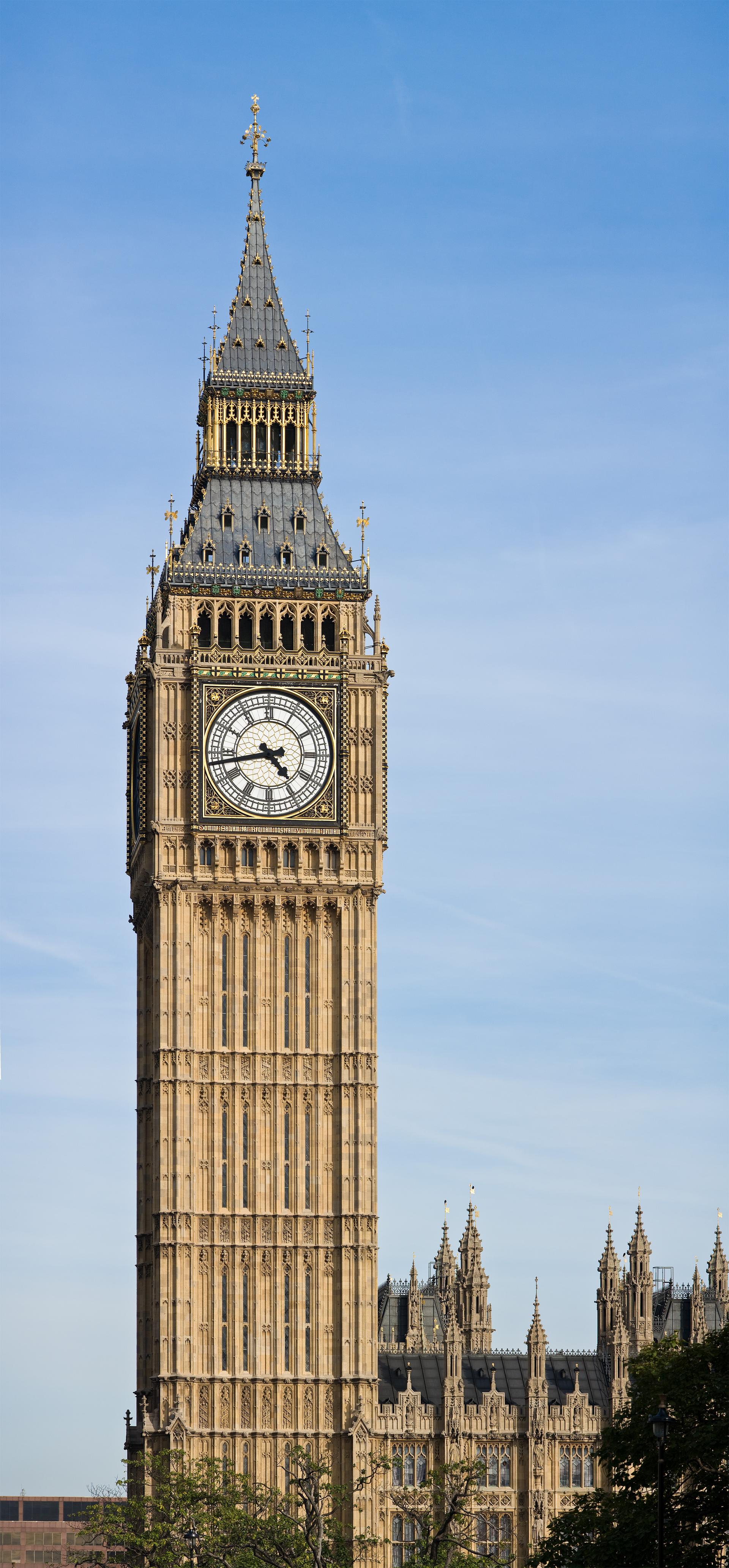
Looking beyond The Long Walk? Discover London for broader travel guides, local hot-spots, and regional highlights.
Explore London
Discover England’s oldest tea house, a charming crooked landmark in Windsor blending rich history, quirky architecture, and cozy café culture.

Discover the charm of WMServices in Windsor, a must-visit tourist attraction rich in culture and history, perfect for all travelers.
