

Bow St, London Travel Guide
Bow Street, a historic London street famed for pioneering policing, vibrant theatre, and rich cultural heritage in Covent Garden.
Bow Street in London’s Covent Garden is a street steeped in history, known for its 17th-century origins, association with the pioneering Bow Street Runners police force, and its role in the theatrical life of the city. Once home to notable residents and infamous for its mix of markets, brothels, and theatres, Bow Street today reflects a rich cultural heritage amid modern urban life.
A brief summary to Bow St
- London, GB
- Duration: 0.5 to 2 hours
- Free
-
 Outdoor
- Mobile reception: 5 out of 5

Know before you go
Hi, I'm Eve. Here are a few practical things to know before exploring Bow St.
- Explore the nearby Covent Garden area for a full experience of markets, street performances, and historic theatres.
- Visit the Bow Street Police Museum to delve deeper into the history of the Bow Street Runners and London policing.
- Look for the blue plaques along Bow Street commemorating notable historical figures who lived or worked here.
- Enjoy the blend of historic architecture and modern shops and eateries that give Bow Street its unique charm.
Do you manage this location?
Take control to get all the benefits, like improved information, better appearance, and stronger visibility across AI-powered discovery. Learn more about listing your business on Evendo
Activate your presenceOther nearby places you may find interesting
The closest places of the same kind, if this one is not quite what you had in mind.



Explore Bow St on the Map
A handpicked selection of must-see spots near Bow St, mapped for you.
Unlock the Best of Bow St
Buy tickets
-
No tickets available
Book tours with entry


Book tours without entry
-
No tours available
Getting There
-
London Underground
Take the Piccadilly Line to Covent Garden station, approximately a 5 to 10-minute walk to Bow Street. The station is wheelchair accessible but can be busy during peak hours. A single journey costs around £2.50 with an Oyster card or contactless payment.
-
Bus
Several London bus routes serve the Covent Garden area, including routes 1, 6, 9, and 15. Bus stops are within a 5-minute walk of Bow Street. Buses run frequently throughout the day with fares around £1.75 using contactless payment.
-
Taxi or Ride-Hailing
Taxis and ride-hailing services can drop you directly on or near Bow Street. Travel times vary from 10 to 25 minutes depending on traffic. Expect fares starting around £10 from central London locations.
-
Walking
If staying nearby, walking to Bow Street offers an immersive experience of Covent Garden’s streetscape. Walking times range from 10 to 20 minutes from Leicester Square or Holborn, with mostly flat terrain and pedestrian-friendly sidewalks.
For the on-the-go comforts that matter to you
-
 Restrooms
-
 Drink Options
-
 Food Options
-
 Seating Areas
-
 Information Boards
Discover more about Bow St
Origins and Early Development
Bow Street was established in 1633 by Francis Russell, 4th Earl of Bedford, initially developed for residential purposes. Its distinctive curved shape gave the street its name, and by the mid-17th century, it was fully built with elegant houses that attracted notable figures such as Oliver Cromwell and Robert Harley. The street’s early years were marked by a genteel character, serving as a desirable address in London’s growing urban landscape.Transformation Through Theatre and Market Life
In the 18th century, Bow Street’s proximity to Covent Garden Theatre transformed its character dramatically. The area became a hub for theatrical activity and entertainment, but also developed a reputation for prostitution and nightlife, with numerous pubs and brothels operating openly. The street’s role as a de facto extension of the bustling Covent Garden market brought exotic fruits and vegetables to Londoners, blending commerce with culture in a dynamic urban setting.The Birthplace of Modern Policing
Bow Street is famously linked to the creation of the Bow Street Runners in 1749, established by magistrate Henry Fielding as London’s first professional police force. Operating from the Bow Street Magistrates’ Court, the Runners pioneered organized crime fighting and law enforcement methods that laid the groundwork for modern policing. Their legacy includes notable successes such as uncovering the Cato Street Conspiracy and shaping public safety in a rapidly expanding city.Architectural Evolution and Civic Importance
The street’s architecture evolved through the centuries, reflecting Victorian and Edwardian styles with significant buildings such as the Covent Garden Theatre (rebuilt in 1809 by Robert Smirke), the Bow Street Police Station, and the Magistrates’ Court. Despite fires and redevelopment, Bow Street has retained its civic importance, hosting high-profile court cases and serving as a symbol of law and order in London.Cultural Legacy and Modern Context
Today, Bow Street stands as a testament to London’s layered history, blending its theatrical past, law enforcement heritage, and market culture. The street’s blue plaques commemorate its famous residents, including Henry and John Fielding, and its buildings continue to evoke the vibrant social and cultural life of Covent Garden. Visitors experience a unique atmosphere where history meets contemporary urban energy.Enduring Symbol of London’s Urban Story
Bow Street’s story encapsulates themes of power, culture, and social change, from aristocratic beginnings through periods of decline and renewal. Its role in pioneering policing and theatrical innovation marks it as a landmark of national significance. Walking Bow Street offers insight into the complexities of London’s past and the ongoing narrative of its cityscape.












Your all‑in‑one travel companion app
Explore expert travel guides, compare and book tours, experiences, hotels, and more—all from the palm of your hand. Download now for seamless trip planning wherever your wanderlust takes you.


Explore More of London
Looking beyond Bow St? Discover London for broader travel guides, local hot-spots, and regional highlights.
Explore London
At the luminous heart of London’s West End, 225 Piccadilly Circus dazzles with history, iconic lights, and vibrant urban energy.
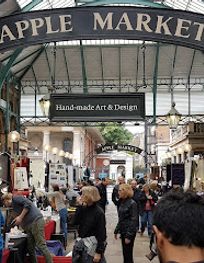
London's lively piazza where street performers, historic markets, and West End culture collide in a whirlwind of shopping, shows, and seasonal splendor.
