

Cockpit Steps, London Travel Guide
Free Guide: A quiet, Grade II–listed staircase in central London, Cockpit Steps is the last remnant of the Royal Cockpit and is rumoured to be haunted by a headless lady in a red dress.


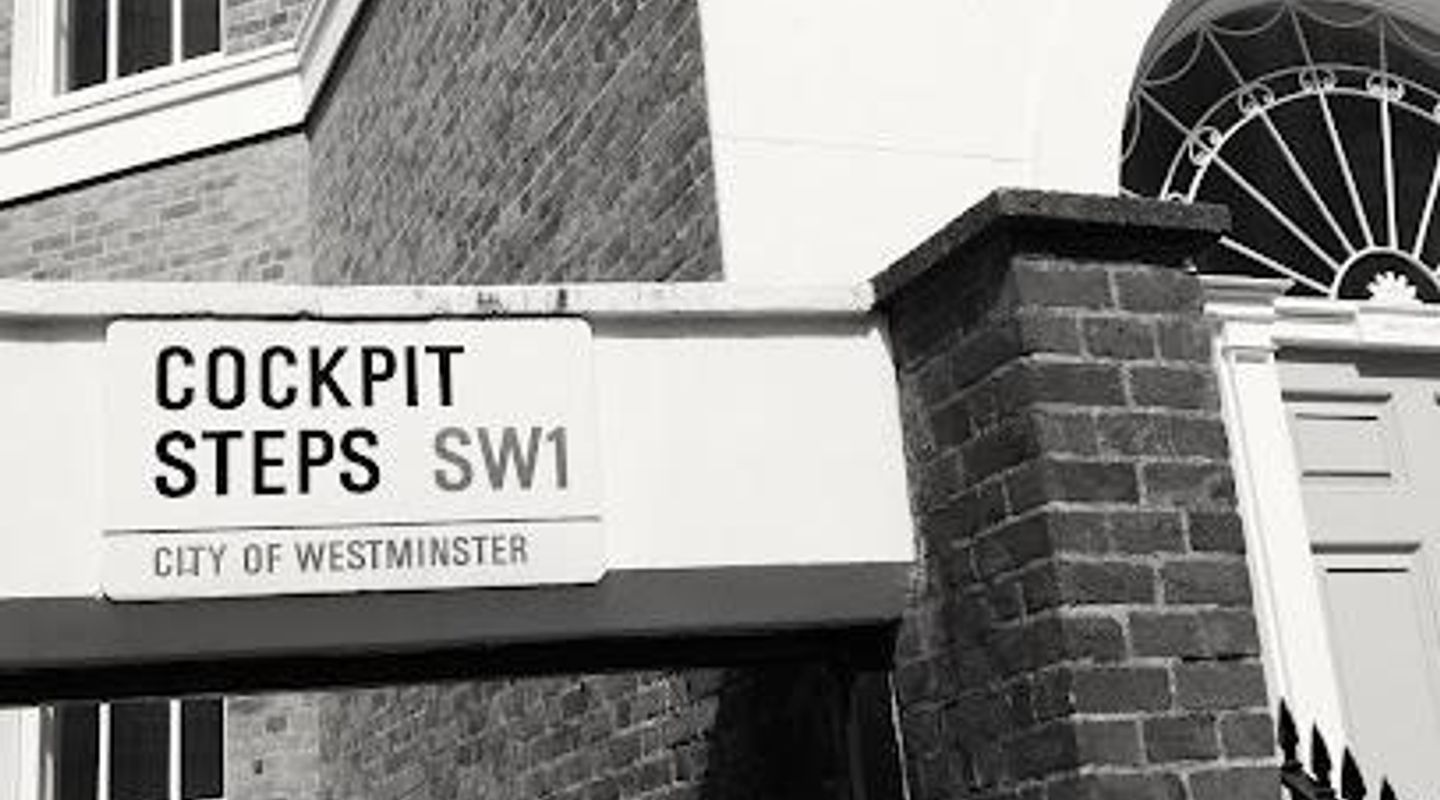
A brief summary of Cockpit Steps
A quiet, Grade II–listed staircase in central London, Cockpit Steps is the last remnant of the Royal Cockpit and is rumoured to be haunted by a headless lady in a red dress.
Tucked between Birdcage Walk and Old Queen Street, Cockpit Steps is a quiet, Grade II–listed staircase with a dark and fascinating past. Once the entrance to the Royal Cockpit, an 18th-century venue for cockfighting patronised by the elite, the steps are now a hidden passageway steeped in history and rumoured to be haunted by a headless lady in a red dress. It’s a curious, atmospheric spot that offers a glimpse into a bygone era of London’s royal and sporting life.
On-site amenities
 Seating areas
 Trash bins
- Address
- London SW1H 9HP
Getting there
Underground
Walking
Bus
Discover more about Cockpit Steps
A Staircase with a Sinister Past
Cockpit Steps is a modest, curved stone staircase linking Birdcage Walk with Old Queen Street, just a short walk from St James’s Park. Though it looks like an ordinary city passageway today, it is in fact the last surviving fragment of the Royal Cockpit, an 18th-century arena where cockfighting was held for the amusement of London’s upper classes. The sport, though now considered barbaric, was once a highly regulated and socially significant pastime, attracting aristocrats, gamblers and even members of the royal court. The Royal Cockpit charged a five-shilling admission, making it a more exclusive venue than the rougher, more common cockpits found elsewhere in the city.
From Royal Sport to Urban Relic
The Royal Cockpit stood on Birdcage Walk, a street originally laid out to serve the royal aviaries and menagerie. By the late 18th century, the cockpit had become a place where peers and pickpockets mingled, drawn by the excitement and heavy betting. Artists such as William Hogarth captured the chaotic, intense atmosphere of cockfighting, and the Royal Cockpit itself appears in period engravings. When the lease for the site was lost in the early 19th century, the building was largely demolished by 1816, leaving only the curving internal staircase that now serves as a public footpath. Today, the steps are Grade II listed, recognised for their historical significance as a rare surviving trace of this once-popular, if grim, form of entertainment.
Whispers of a Headless Lady
Cockpit Steps is perhaps best known today for its ghostly reputation. Local legend tells of a headless woman in a red dress, said to haunt the steps and the surrounding area. The earliest recorded sighting dates to 1804, when a Coldstream Guardsman reported seeing a headless lady drift across the road towards St James’s Park, an experience so terrifying that he had to be confined to hospital. Over the years, similar apparitions have been reported, including a 1972 incident in which a motorist claimed he swerved to avoid a headless woman in a red-striped dress and was later acquitted of dangerous driving. Whether taken as folklore or something more, the ghost story adds a layer of eerie charm to this otherwise unassuming staircase.
Exploring the Hidden Passage
Visitors to Cockpit Steps will find a quiet, slightly secluded route that feels like a secret corner of central London. From the Birdcage Walk entrance, the steps descend in a gentle curve, flanked by brick walls that show the wear of centuries. The atmosphere is hushed, even on busy days, making it a peaceful detour between the grand landmarks of Westminster and the green spaces of St James’s Park. There are no formal facilities here, but the steps are easily accessible and make a memorable stop for those interested in London’s lesser-known histories, hidden alleys and urban legends. It’s a place that rewards slow, curious exploration rather than a hurried visit.
Evendo Review Centre
 Google
Guest reviews
Best time to go
Quietest: Jan, Feb & Dec · before 3am
Busy times are Evendo estimates for a typical year, to help you plan. Actual crowds vary with events, school holidays and the weather.
Explore Cockpit Steps on the map
A handpicked selection of must-see spots near Cockpit Steps, mapped for you.
Get your free copy of our complete guide to Cockpit Steps, delivered straight to you.
Everything on this page, from opening hours and how to get there to Eve’s tips and the best time to go, in one PDF you can read offline, print or share.
Already have an account? Sign in
Your Cockpit Steps guide is ready.
We'll send it to · Not you? Sign out

Getting your guide ready…
We are putting together a fresh copy of the Cockpit Steps guide. This can take up to a minute.
This can take a few moments. If your browser asks, choose Allow so the download can start. You'll find the guide in your Downloads folder.
Nothing happened? Download it again
Sorry, the guide is taking longer than usual. Please try again in a minute, or get it by email instead.
Unlock the best of Cockpit Steps
Skip-the-line tickets, guided tours with entry, and walking tours of the area, booked in a few clicks.

Other nearby places you may find interesting
The closest places of the same kind, if this one is not quite what you had in mind.
-

-
-
-
-


Swipe for more places
More to explore near Cockpit Steps

 Best experiences near Cockpit Steps
 Best hotels near Cockpit Steps
 Best landmarks near Cockpit Steps
 Best attractions near Cockpit Steps
 Best shops near Cockpit Steps
 Best restaurants near Cockpit Steps
 Best bars near Cockpit Steps
Do you manage this location?
Take control to get all the benefits, like improved information, better appearance, and stronger visibility across AI-powered discovery.
Explore more

Explore more of London
Explore London: A city of iconic landmarks, rich history, vibrant culture, and endless attractions that cater to every taste, making it a must-visit destination.
Explore London
Explore more of United Kingdom
Discover the United Kingdom: A blend of rich history, stunning landscapes, and vibrant cities, offering a unique travel experience for every visitor.
Explore United Kingdom
