

Custom House, London Travel Guide
Free Guide: Historic Custom House on London’s Thames waterfront, a grand 19th-century customs hub echoing centuries of maritime trade and empire.


A brief summary of Custom House
Historic Custom House on London’s Thames waterfront, a grand 19th-century customs hub echoing centuries of maritime trade and empire.
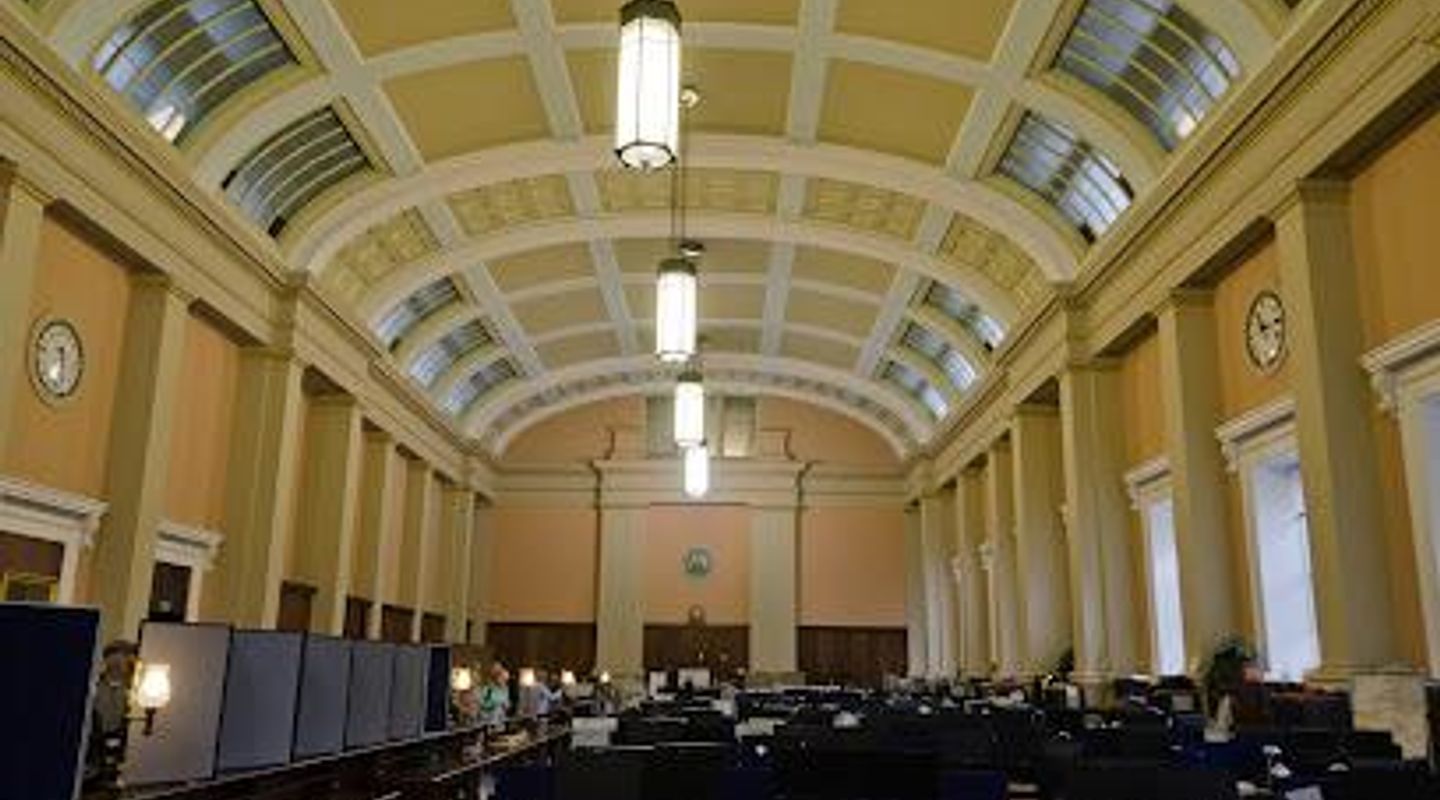
Custom House at 101 Lower Thames Street in London is a monumental historic building that served as the administrative heart of Britain’s customs and trade for over seven centuries. Originally established in the 14th century, the current structure dates mainly from the early 19th century with notable architectural contributions by David Laing and Robert Smirke. It features the famed Long Room and stands as a testament to London’s maritime and imperial legacy along the Thames waterfront.
On-site amenities
 Restrooms
 Drink options
 Food options
 Seating areas
 Information boards
- Address
- 101 Lower Thames St, London EC3R 6DL
Getting there
Public Transport
Bus
Taxi or Rideshare
Walking
Discover more about Custom House
Origins and Early Significance
The Custom House’s origins trace back to 1382 when London’s first recorded Custom House was built at Wool Quay. It was here that customs officials managed the collection of duties on goods entering the Port of London, a vital role in England’s burgeoning trade economy. Geoffrey Chaucer, famed poet and author, once served as Comptroller of the Customs for wools and hides, linking the site to England’s medieval commercial history. Over the centuries, the Custom House repeatedly evolved, reflecting the growth of London as a global trading power.
Architectural Evolution and Challenges
The building standing today largely dates from 1814-17, designed by David Laing, a pupil of John Soane. Laing’s design introduced a grand triple-domed hall and a long riverside façade in yellow stock brick with Ionic colonnades facing the Thames. However, poor foundation work caused a partial collapse of the central block in 1825, leading to significant reconstruction by Robert Smirke, whose sober and restrained façade remains a defining feature. The east wing suffered heavy damage during World War II and was rebuilt in the 1960s, blending modern office styles with the historic structure.
The Long Room and Its Role in Trade
At the heart of the Custom House is the Long Room, a magnificent hall stretching approximately 58 meters in length. This space was the bustling center where merchants and ship captains declared cargoes and paid duties. The Long Room’s importance extended beyond function; it became a symbol of Britain’s imperial trade network, hosting traders from around the world. Its scale and architectural grandeur made it one of the longest and most impressive customs halls in Europe.
Historic Context and Legacy
Custom House’s history is intertwined with London’s development as a maritime and imperial capital. The site has witnessed multiple reconstructions following fires and wartime damage, each reflecting the changing needs and fortunes of the Port of London. Archaeological excavations nearby have revealed remnants of Roman fortifications and medieval embankments, underscoring the area’s long-standing strategic importance. Today, the building stands as a monument to the city’s commercial heritage and the complex legacies of empire and trade.
Present-Day Significance and Conservation
Although no longer serving its original customs function, the Custom House remains an important historic landmark. Its architectural and cultural value has prompted conservation efforts to preserve its distinctive features, including the Long Room. Discussions continue about adaptive reuse that respects its heritage while opening it up for public engagement. The building’s location on Lower Thames Street places it near other historic sites, offering visitors a tangible connection to London’s rich maritime past.
Surrounding Environment and Urban Context
Custom House sits along the Thames waterfront, an area that once bustled with shipping activity and trade. Lower Thames Street, which runs adjacent, has evolved over time from a narrow medieval street to a widened thoroughfare, altering the character of the riverside. Nearby landmarks include the Monument to the Great Fire of London and Billingsgate Market’s historic site. The juxtaposition of historic architecture and modern urban development frames Custom House as a key element in the City of London’s layered history.
Evendo Review Centre
 Google
Guest reviews
Best time to go
Quietest: Jan, Feb & Nov · before 6am or at 10pm
Busy times are Evendo estimates for a typical year, to help you plan. Actual crowds vary with events, school holidays and the weather.
Explore Custom House on the map
A handpicked selection of must-see spots near Custom House, mapped for you.
Get your free copy of our complete guide to Custom House, delivered straight to you.
Everything on this page, from opening hours and how to get there to Eve’s tips and the best time to go, in one PDF you can read offline, print or share.
Already have an account? Sign in
Your Custom House guide is ready.
We'll send it to · Not you? Sign out

Getting your guide ready…
We are putting together a fresh copy of the Custom House guide. This can take up to a minute.
This can take a few moments. If your browser asks, choose Allow so the download can start. You'll find the guide in your Downloads folder.
Nothing happened? Download it again
Sorry, the guide is taking longer than usual. Please try again in a minute, or get it by email instead.
Unlock the best of Custom House
Skip-the-line tickets, guided tours with entry, and walking tours of the area, booked in a few clicks.

Other nearby places you may find interesting
The closest places of the same kind, if this one is not quite what you had in mind.
-

-
-
-
-


Swipe for more places
More to explore near Custom House

 Best experiences near Custom House
 Best hotels near Custom House
 Best landmarks near Custom House
 Best attractions near Custom House
 Best shops near Custom House
 Best restaurants near Custom House
 Best bars near Custom House
Do you manage this location?
Take control to get all the benefits, like improved information, better appearance, and stronger visibility across AI-powered discovery.
Explore more

Explore more of London
Explore London: A city of iconic landmarks, rich history, vibrant culture, and endless attractions that cater to every taste, making it a must-visit destination.
Explore London
Explore more of United Kingdom
Discover the United Kingdom: A blend of rich history, stunning landscapes, and vibrant cities, offering a unique travel experience for every visitor.
Explore United Kingdom
