Ludgate Circus, London Travel Guide
Free Guide: A historic London junction where myth, medieval walls and modern traffic meet at the foot of St Paul’s.


A brief summary of Ludgate Circus
A historic London junction where myth, medieval walls and modern traffic meet at the foot of St Paul’s.
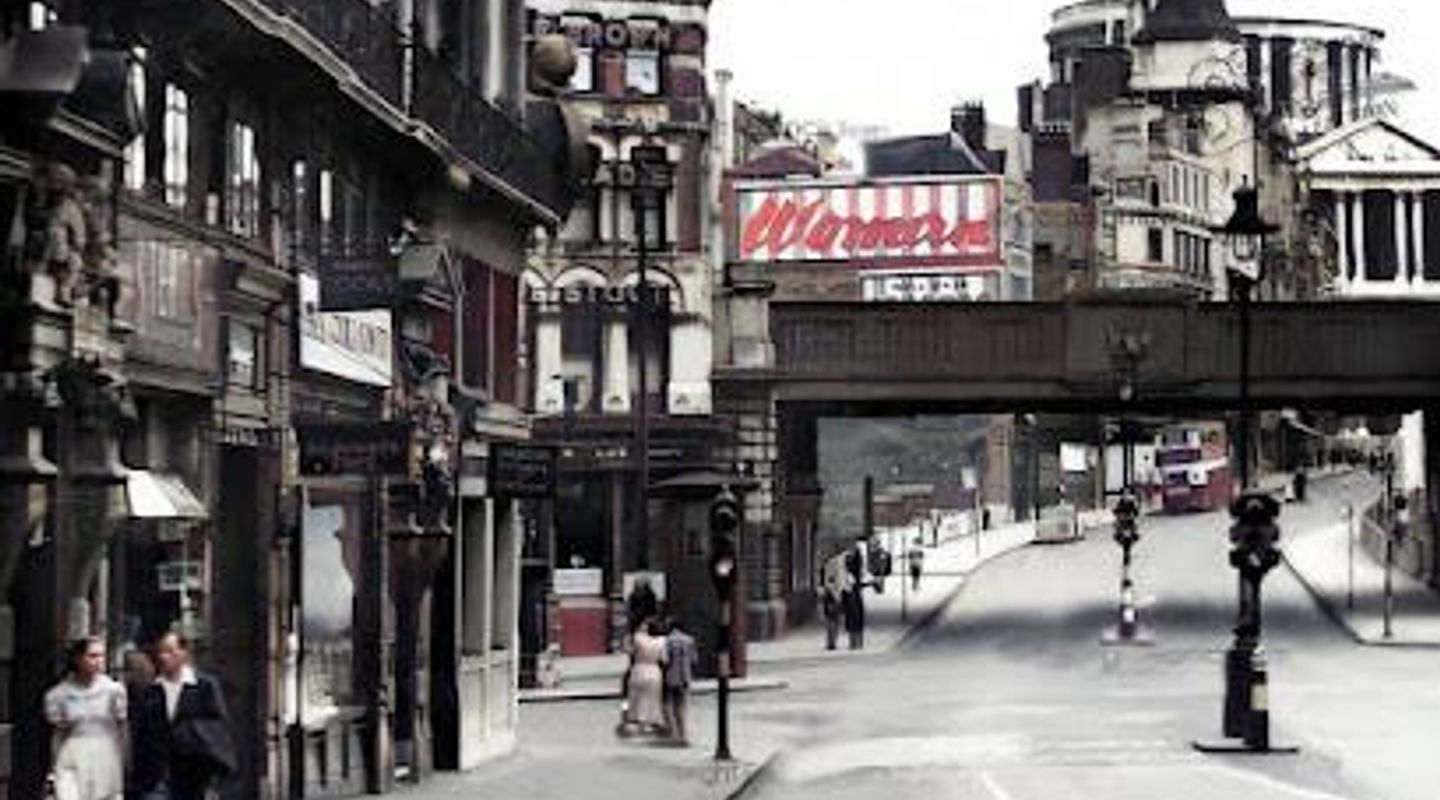
Ludgate Circus is a major traffic junction in the City of London where Fleet Street meets Ludgate Hill, Farringdon Street and New Bridge Street. Though now a busy urban crossroads, it marks the site of Ludgate, one of the original gates in the Roman and medieval London Wall. The name recalls the mythical King Lud, said to have rebuilt London in ancient times. Today, the area is a historic hub near St Paul’s Cathedral, Fleet Street’s legal and media district, and the old Fleet River, with subtle reminders of its past embedded in architecture and sculpture.
On-site amenities
 Restrooms
 Drink options
 Drinking water
 Food options
 Seating areas
 Trash bins
 Information boards
- Address
- London
Getting there
Underground
Bus
Walking
Taxi / Ride‑sharing
Discover more about Ludgate Circus
Where the City Wall Once Stood
Ludgate Circus sits at the western edge of the old City of London, on the exact spot where Ludgate, one of the principal gates in the Roman and medieval London Wall, once stood. This gate controlled access from the west along the ancient road that ran from Londinium through what is now Fleet Street and Ludgate Hill. As the westernmost gate in the wall, it guarded the approach from the west and the crossing over the River Fleet, now buried beneath the streets. For centuries, Ludgate was a fortified gateway, rebuilt and modified through the Middle Ages and Tudor period, until it was finally demolished in the 1760s to ease traffic and widen the road.
Myth, Memory and King Lud
The gate’s name comes from the legendary King Lud, a mythical British ruler said to have rebuilt and renamed the city Caer Lud – Lud’s fortress – which later evolved into London. Though there is no historical evidence for King Lud as a real person, his story, popularised by medieval chroniclers, became deeply woven into London’s identity. The gate itself was later rebuilt in the late 16th century with statues of Queen Elizabeth I and of King Lud with his two sons, linking Tudor authority with ancient myth. When Ludgate was taken down, these statues were preserved and can still be seen today in niches at St Dunstan-in-the-West on Fleet Street, a quiet echo of the gate’s former presence.
A Crossroads of History and Traffic
Today, Ludgate Circus is a major road junction where Fleet Street, Ludgate Hill, Farringdon Street and New Bridge Street converge, just a short walk from St Paul’s Cathedral and the legal heart of the Temple. The area has long been a hub of movement: in Roman times, it was a key route west; in the Middle Ages and early modern period, it was a busy gateway and coaching point; and in the Victorian era, it was reshaped into the wide, traffic-heavy circus we see now. The junction’s layout reflects London’s evolution from a walled city to a sprawling metropolis, with trams, buses and cars now flowing through the same corridor once guarded by a stone gate.
Hidden Traces in the Modern City
Though the gate is long gone, Ludgate’s legacy lives on in the city’s fabric. The names Ludgate Hill and Ludgate Circus keep the memory alive, and the nearby church of St Martin-within-Ludgate preserves a silver model of the 1586 gate. On Fleet Street, the statues of Elizabeth I and King Lud with his sons are tucked into the churchyard of St Dunstan-in-the-West, waiting to be discovered. Nearby buildings, including the former Old King Lud pub on Ludgate Circus, also feature sculpted faces of King Lud, a whimsical nod to the area’s mythical founder. These subtle details reward a closer look, turning a busy junction into a quiet pilgrimage for those interested in London’s layered past.
At the Heart of London’s Story
Ludgate Circus is more than just a traffic node; it is a symbolic threshold between the old City and the westward expansion of London. It stands where rebels like Sir Thomas Wyatt were turned back in 1554, where coaches once set off for the west country, and where the River Fleet once flowed openly to the Thames. The area’s proximity to St Paul’s, the Inns of Court, and the Fleet Street press district places it at the centre of London’s political, legal and cultural history. For visitors, it offers a chance to stand on ground that has been a gateway, a battleground, a coaching point and now a modern crossroads, all within the same small patch of the capital.
Evendo Review Centre
 Google
Guest reviews
Best time to go
Quietest: Jan, Feb & Mar · before 3am
Busy times are Evendo estimates for a typical year, to help you plan. Actual crowds vary with events, school holidays and the weather.
Explore Ludgate Circus on the map
A handpicked selection of must-see spots near Ludgate Circus, mapped for you.
Get your free copy of our complete guide to Ludgate Circus, delivered straight to you.
Everything on this page, from opening hours and how to get there to Eve’s tips and the best time to go, in one PDF you can read offline, print or share.
Already have an account? Sign in
Your Ludgate Circus guide is ready.
We'll send it to · Not you? Sign out

Getting your guide ready…
We are putting together a fresh copy of the Ludgate Circus guide. This can take up to a minute.
This can take a few moments. If your browser asks, choose Allow so the download can start. You'll find the guide in your Downloads folder.
Nothing happened? Download it again
Sorry, the guide is taking longer than usual. Please try again in a minute, or get it by email instead.
Unlock the best of Ludgate Circus
Skip-the-line tickets, guided tours with entry, and walking tours of the area, booked in a few clicks.

Other nearby places you may find interesting
The closest places of the same kind, if this one is not quite what you had in mind.
-

-
-
-
-


Swipe for more places
More to explore near Ludgate Circus

 Best experiences near Ludgate Circus
 Best hotels near Ludgate Circus
 Best landmarks near Ludgate Circus
 Best attractions near Ludgate Circus
 Best shops near Ludgate Circus
 Best restaurants near Ludgate Circus
 Best bars near Ludgate Circus
Do you manage this location?
Take control to get all the benefits, like improved information, better appearance, and stronger visibility across AI-powered discovery.
Explore more

Explore more of London
Explore London: A city of iconic landmarks, rich history, vibrant culture, and endless attractions that cater to every taste, making it a must-visit destination.
Explore London
Explore more of United Kingdom
Discover the United Kingdom: A blend of rich history, stunning landscapes, and vibrant cities, offering a unique travel experience for every visitor.
Explore United Kingdom