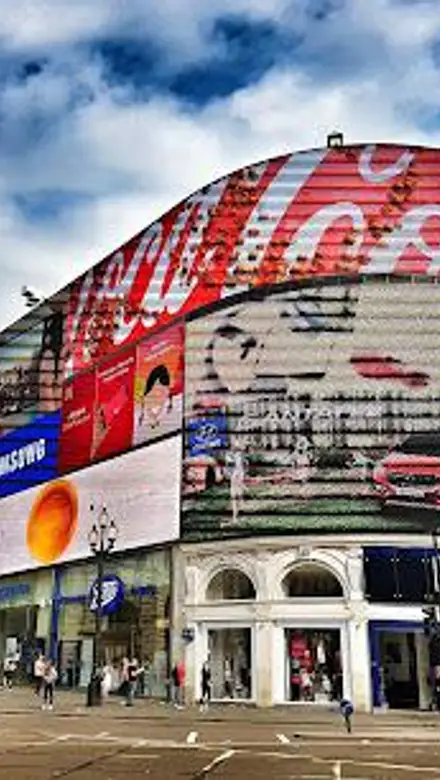
Piccadilly Circus, London Travel Guide
Free Guide: Piccadilly Circus pulses with iconic neon lights, historic monuments, and vibrant street life at the heart of London’s West End.


A brief summary of Piccadilly Circus
Piccadilly Circus pulses with iconic neon lights, historic monuments, and vibrant street life at the heart of London’s West End.
Piccadilly Circus is a bustling road junction and public space in London's West End, famed for its iconic neon advertising screens, the Shaftesbury Memorial Fountain with the statue of Anteros, and proximity to major shopping, entertainment, and cultural landmarks. Established in 1819, it connects key streets like Regent Street and Piccadilly, serving as a lively meeting point and gateway to London’s theatre district and nightlife.
On-site amenities
 Restrooms
 Drink options
 Food options
 Seating areas
 Trash bins
 Information boards
- Address
- London
Getting there
London Underground
Bus
Taxi or Ride-Hailing
Walking
Discover more about Piccadilly Circus
Historic Origins and Urban Evolution
Piccadilly Circus was created in 1819 as a circular junction designed to connect Regent Street with Piccadilly, two of London’s principal thoroughfares. Originally named Regent Circus South, it was part of John Nash’s grand urban plan to modernize London’s West End. Over time, the circus lost its circular shape as new streets such as Shaftesbury Avenue were introduced, transforming it into a complex five-way intersection. Despite these changes, Piccadilly Circus has remained a vital transport and social hub, witnessing London’s growth from the 19th century to the present day.
Iconic Landmarks and Architectural Highlights
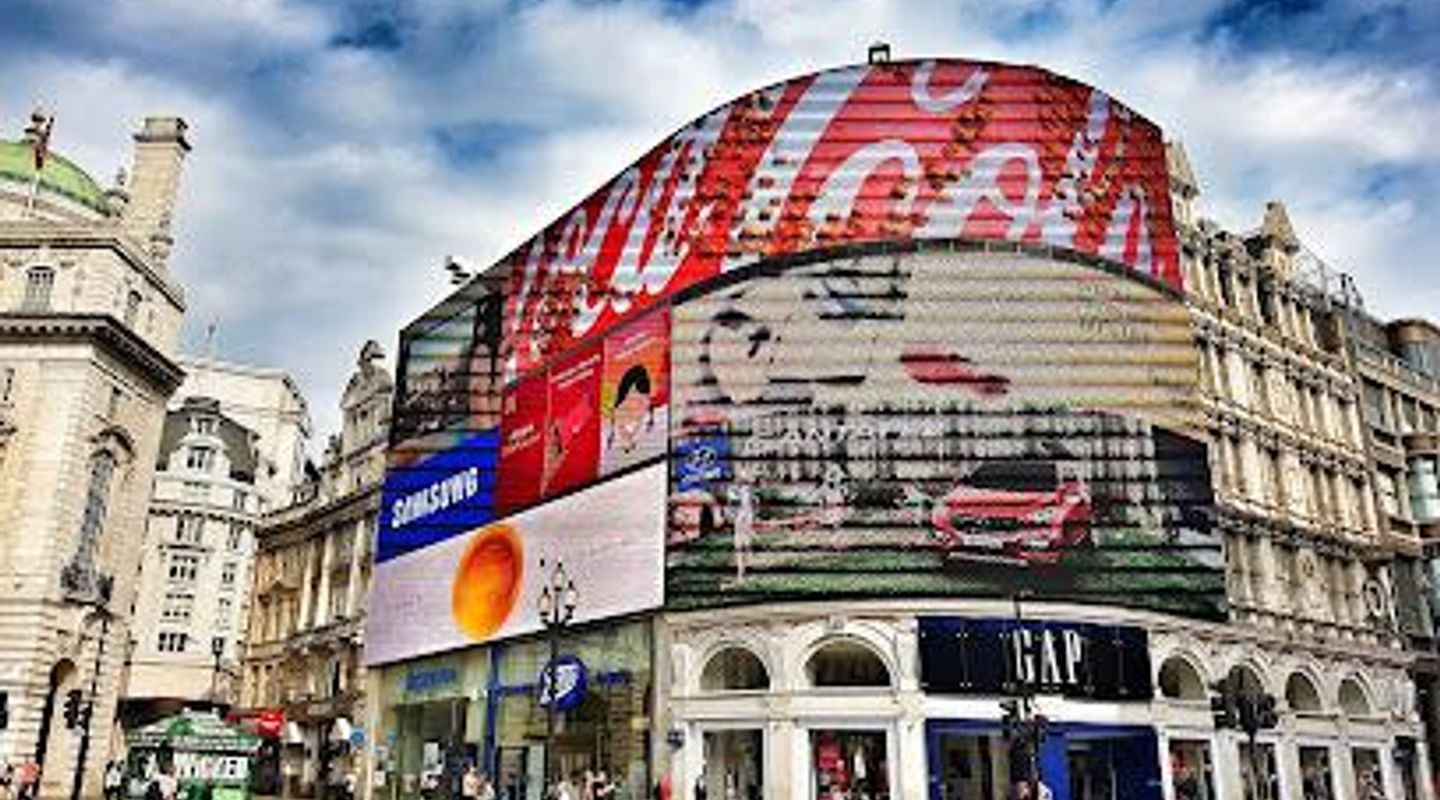
At the center of Piccadilly Circus stands the Shaftesbury Memorial Fountain, topped by the famous winged figure popularly known as Eros but actually representing Anteros, the Greek god of requited love. This 1893 monument honors social reformer Anthony Ashley-Cooper, 7th Earl of Shaftesbury. Surrounding the junction are notable buildings including the London Pavilion, originally a music hall and now a shopping complex, and the Criterion Theatre, a Victorian playhouse renowned for its intimate West End productions. The northern corner is dominated by the dazzling Piccadilly Lights—large digital advertising screens that have evolved from early 20th-century neon signs to modern LED displays, making the area London’s answer to Times Square.
A Cultural and Entertainment Nexus
Piccadilly Circus serves as a gateway to London’s vibrant Theatreland with Shaftesbury Avenue leading to numerous theatres and Leicester Square nearby offering cinemas and nightlife. The area buzzes with street performers, bustling crowds, and a lively atmosphere day and night. Visitors can easily explore adjacent shopping streets like Regent Street, known for its elegant façades and flagship stores, or relax in nearby green spaces such as St. James’s Park. The junction’s central location places it within walking distance of major cultural institutions including the Royal Academy of Arts and the National Gallery.
The Sensory Experience and Urban Pulse
The atmosphere at Piccadilly Circus is electric, especially after dark when the illuminated billboards cast a colorful glow over the crowds. The sounds of London’s double-decker buses, chatter of tourists, and occasional street music create a dynamic urban soundscape. The statue of Anteros provides a popular meeting point amid the throng, while the surrounding cafés, bars, and restaurants invite visitors to soak in the West End’s cosmopolitan vibe. This blend of historic charm and modern energy makes Piccadilly Circus a quintessential London experience.
Modern Significance and Visitor Appeal
Today, Piccadilly Circus remains one of London’s most photographed and visited landmarks. It is a symbol of the city’s cultural diversity and commercial vitality. The junction’s design accommodates heavy traffic flow while maintaining pedestrian accessibility to its many attractions. Its proximity to public transport, including the Piccadilly Circus Underground station, ensures it is easily reachable. The area continues to evolve, balancing preservation of heritage with contemporary urban life, making it an essential stop for visitors seeking to capture the spirit of London.
Artistic and Social Legacy
Beyond its function as a traffic junction, Piccadilly Circus has inspired artists, filmmakers, and writers, appearing in countless films and media as an emblem of London’s identity. The interplay of historic monuments, commercial advertising, and street life encapsulates the city’s blend of tradition and innovation. This legacy endows Piccadilly Circus with a unique character that resonates with locals and tourists alike, offering a space where history, culture, and daily life intersect vibrantly.
Evendo Review Centre
 Google
Guest reviews
Best time to go
Quietest: Jan, Feb & Mar · at 1am or at 2am or at 3am
Busy times are Evendo estimates for a typical year, to help you plan. Actual crowds vary with events, school holidays and the weather.
Explore Piccadilly Circus on the map
A handpicked selection of must-see spots near Piccadilly Circus, mapped for you.
Get your free copy of our complete guide to Piccadilly Circus, delivered straight to you.
Everything on this page, from opening hours and how to get there to Eve’s tips and the best time to go, in one PDF you can read offline, print or share.
Already have an account? Sign in
Your Piccadilly Circus guide is ready.
We'll send it to · Not you? Sign out

Getting your guide ready…
We are putting together a fresh copy of the Piccadilly Circus guide. This can take up to a minute.
This can take a few moments. If your browser asks, choose Allow so the download can start. You'll find the guide in your Downloads folder.
Nothing happened? Download it again
Sorry, the guide is taking longer than usual. Please try again in a minute, or get it by email instead.
Unlock the best of Piccadilly Circus
Skip-the-line tickets, guided tours with entry, and walking tours of the area, booked in a few clicks.
 Tour with entry
London’s West End at War: Self-Guided WWII Puzzle Adventure
from $7.24 Tour with entry
Tour London's West End with the World at War Exploration Game
from $11.35 Tour with entry
London Beatles Legacy Self-Guided Walking Tour with an APP
from $12.34 Tour with entry
Explore Over 30 Prime London Locations with a Handy App
from $14.24


Other nearby places you may find interesting
The closest places of the same kind, if this one is not quite what you had in mind.
-

-
-
-
-


Swipe for more places
More to explore near Piccadilly Circus

 Best experiences near Piccadilly Circus
 Best hotels near Piccadilly Circus
 Best landmarks near Piccadilly Circus
 Best attractions near Piccadilly Circus
 Best shops near Piccadilly Circus
 Best restaurants near Piccadilly Circus
 Best bars near Piccadilly Circus
Do you manage this location?
Take control to get all the benefits, like improved information, better appearance, and stronger visibility across AI-powered discovery.
Explore more

Explore more of London
Explore London: A city of iconic landmarks, rich history, vibrant culture, and endless attractions that cater to every taste, making it a must-visit destination.
Explore London
Explore more of United Kingdom
Discover the United Kingdom: A blend of rich history, stunning landscapes, and vibrant cities, offering a unique travel experience for every visitor.
Explore United Kingdom