
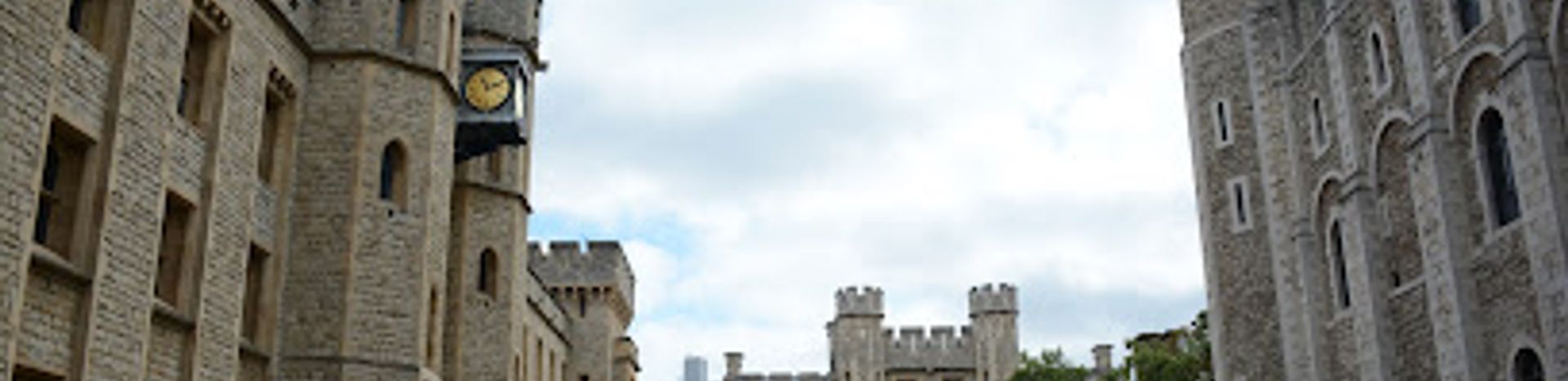
Roman Wall of Londinium at Tower Hill
Explore the towering Roman Wall at Tower Hill, a striking relic that shaped London’s ancient cityscape and echoes 2,000 years of history.
The Roman Wall of Londinium at Tower Hill is one of the most impressive surviving remnants of the ancient defensive wall that encircled Roman London. Originally built around AD 200 from Kentish ragstone and red tiles, this wall once enclosed the city of Londinium, shaping London’s layout for centuries. The Tower Hill section is notable for its height, medieval additions, and visible Roman masonry, offering a tangible link to London’s Roman past.
A brief summary to Roman Wall of Londinium
- 35 Tower Hill, London, EC3N 4DR, GB
- Visit website
- Duration: 0.5 to 1.5 hours
- Free
-
 Outdoor
- Mobile reception: 5 out of 5
Local tips
- Look for the distinctive horizontal red tile bands in the lower wall sections to identify the original Roman masonry.
- Visit early in the day or late afternoon for softer light that highlights the wall’s textures and medieval additions.
- Combine your visit with the nearby Tower of London to deepen your understanding of the area’s layered history.
- Bring a camera or smartphone for excellent photo opportunities of this iconic Roman landmark against the modern city backdrop.

For the on-the-go comforts that matter to you
- Restrooms
- Drink Options
- Food Options
- Seating Areas
- Information Boards
Getting There
-
Underground Train
Take the London Underground Circle or District Line to Tower Hill Station. The Roman Wall is a short 5-minute walk from the station exit. Trains run frequently every 5–10 minutes, and a single journey costs £2.50–£4.90 with contactless payment or Oyster card.
-
Bus
Several London bus routes, including routes 15 and 42, stop near Tower Hill. Buses run every 10–15 minutes, with a journey time of 15–25 minutes from central London. Contactless and Oyster cards are accepted, with fares around £1.75 per trip.
-
Walking
From the Tower of London, it is a pleasant 10–15 minute walk to the Roman Wall site at Tower Hill. The route is fully paved and accessible, suitable for wheelchairs and strollers.
Roman Wall of Londinium location weather suitability
-
 Any Weather
-
 Clear Skies
-
 Mild Temperatures
-
 Rain / Wet Weather
Discover more about Roman Wall of Londinium
Ancient Origins and Strategic Importance
The Roman Wall of Londinium was constructed around AD 200 as a monumental defensive structure encircling the city of Londinium, the Roman settlement that grew into modern London. Stretching approximately 2 miles (3.2 km) and enclosing around 330 acres (134 hectares), the wall was built primarily from Kentish ragstone quarried near Maidstone and transported by river. Its construction marked one of the largest building projects in Roman Britain, reflecting Londinium’s status as the province’s administrative and commercial hub. The wall served both as a defense against external threats, such as the Picts and internal political unrest, and as a symbol of Roman authority and urban identity.Architectural Features and Construction Techniques
The wall’s Roman core is characterized by squared stone blocks interspersed with distinctive horizontal bands of red tiles, which likely reinforced the structure and possibly aided in leveling during construction. Originally standing about 6 meters tall, the wall included gates, towers, and defensive ditches to control access and protect the city. Over time, the Romans added a riverside wall along the Thames to guard against attacks from the river. The wall’s robust construction and design exemplify Roman engineering prowess and urban planning.Medieval Enhancements and Preservation
Following the Roman departure around AD 410, Londinium fell into decline, and the wall’s function evolved. In the medieval period, especially from the 12th to 17th centuries, the wall was repaired, heightened to about 10 meters, and incorporated into the city’s expanded defenses. Medieval builders added facing stones and towers, some of which survive today. The Tower Hill section showcases this layering of history, with the lower 4 meters retaining Roman masonry and the upper parts reflecting medieval modifications. This blend illustrates the wall’s continuous military and civic importance through centuries.Modern Rediscovery and Public Access
The Roman Wall at Tower Hill remains one of the most substantial and accessible surviving sections, located just north of the Tower of London and near Tower Hill Underground Station. Archaeological excavations have revealed well-preserved Roman masonry, including original facing stones and red tile bands. The site offers visitors a rare glimpse into London’s ancient past amid the modern cityscape. Efforts to preserve the wall have ensured it remains a protected historical landmark, with informative displays highlighting its significance.Historical Significance and Legacy
The Roman Wall of Londinium not only provided security but also shaped London’s urban development for nearly two millennia. Its route influenced the city’s medieval boundaries and street layouts, underscoring its lasting impact. The wall stands as a testament to Roman Britain’s architectural and military achievements and offers valuable insights into the city’s evolution from a Roman provincial capital to a global metropolis.Visitor Experience and Surroundings
Visitors to the Tower Hill Roman Wall can appreciate the imposing height and craftsmanship of the structure, contrasting ancient stonework with medieval additions. The surrounding area includes historical landmarks such as the Tower of London, enhancing the contextual understanding of London’s layered history. The site’s open-air setting allows for contemplative exploration and photography, making it a compelling destination for history enthusiasts and casual visitors alike.For the vibe & atmosphere seeker
- Historic
- Scenic
- Tranquil
- Unique
- Casual
For the design and aesthetic lover
- Rustic Designs
- Vintage Styles
For the architecture buff
- Historic
- Landmarks
For the view chaser and sunset hunter
- Iconic Views
For the social media creator & influencer
- Instagrammable
- Photo Spots
- Selfie Spots
For the eco-conscious traveler
- Protected Area
- Public-Transport Accessible
- Leave-No-Trace Critical
For the kind of experience you’re after
- Cultural Heritage
- Photowalk
- Day Trip
- Weekend Getaway
For how adventurous you want the journey to be
- Easy Access
Location Audience
- Family Friendly
- Senior Friendly
- Child Friendly
- Teen Friendly
- Wheelchair Access
- Solo Friendly
- Couple Friendly
- Solo Female Friendly


