

St James's Square, London Travel Guide
Free Guide: London’s oldest garden square, where Georgian elegance meets centuries of power, politics, and high society in the heart of Westminster.


A brief summary of St James's Square
London’s oldest garden square, where Georgian elegance meets centuries of power, politics, and high society in the heart of Westminster.
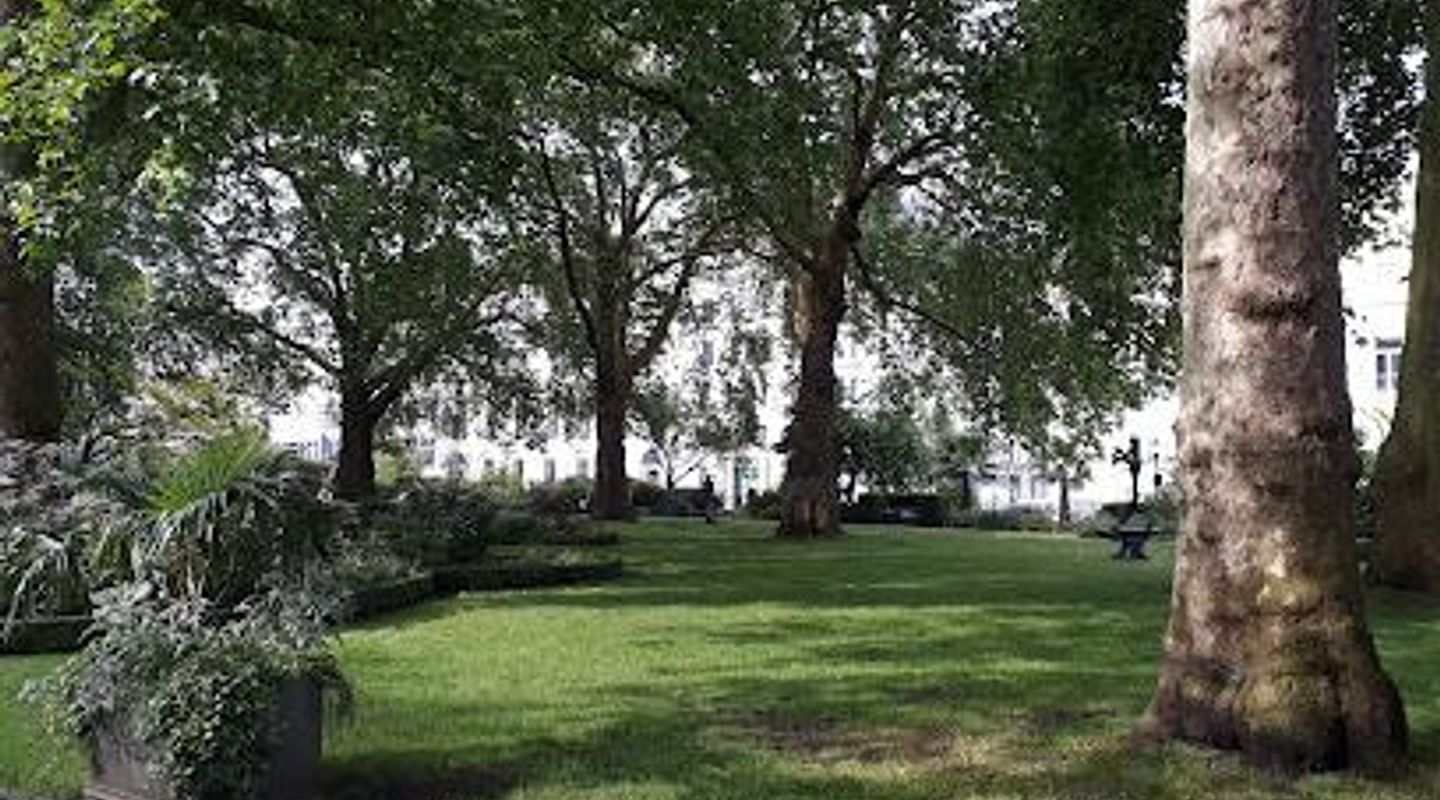
St James's Square is London’s oldest garden square, a refined oasis of Georgian elegance in the heart of Westminster. Encircled by grand 17th- and 18th-century townhouses, it has long been a hub of aristocracy, politics, and high society. Today, it blends historic charm with modern prestige, housing embassies, private clubs, and global institutions. The square’s central gardens, laid out in the 18th century and crowned by an equestrian statue of William III, offer a peaceful retreat amid the city’s bustle, while its architecture and atmosphere speak of centuries of power, influence, and London’s westward expansion.
On-site amenities
 Seating areas
 Trash bins
 Information boards
- Address
- London
Getting there
Underground
Bus
Walking
Taxi / Ride‑hailing
Discover more about St James's Square
London’s First Garden Square
St James's Square holds the distinction of being London’s oldest garden square, created in the 1660s as part of the westward expansion of Stuart London. Developed by Henry Jermyn, 1st Earl of St Albans, on land granted by Charles II, it was conceived as an exclusive residential enclave for the aristocracy, close to the royal palaces of Whitehall and St James’s. The original layout featured grand houses arranged around a central open space, later transformed into a formal garden with a large ornamental lake. In 1726, the St James’s Square Act established a board of trustees to maintain and beautify the gardens, setting a precedent for London’s other squares and ensuring the space remained a well-kept, private retreat for residents.
Aristocratic Heart of London
The square quickly became one of the most fashionable addresses in the capital, home to dukes, earls, prime ministers, and foreign dignitaries. Its deep plots and high-ceilinged rooms reflected the wealth and status of its occupants, with interiors designed by leading architects such as Robert Adam and John Soane. Over the centuries, it hosted political salons, diplomatic gatherings, and high society events, earning a reputation as a centre of power and influence. By the 19th century, as the aristocracy moved further west, the square evolved into a base for clubs, institutions, and later corporate headquarters, preserving its elite character in a new form.
Architecture and Atmosphere
Today, St James’s Square is defined by its predominantly Georgian and Neo-Georgian architecture, with a harmonious streetscape of stuccoed townhouses and classical detailing. The buildings now house a mix of private members’ clubs, embassies (including the High Commission of Cyprus), the London Library, Chatham House, and major corporate offices. The square’s south side, once considered less fashionable, has been integrated into the unified ensemble, while the north, east, and west sides retain the grand proportions of their original aristocratic homes. The atmosphere is one of quiet dignity, with the hum of central London kept at bay by high railings and mature trees.
The Central Gardens
The heart of the square is its private garden, a green oasis enclosed by iron railings and accessible only to residents and members of the surrounding institutions. Originally laid out with a large central basin and later redesigned by John Nash in the early 19th century, the gardens now feature winding paths, lawns, and a belt of shrubs that soften the urban surroundings. At their centre stands the imposing equestrian statue of King William III, erected in 1808 and one of the earliest major public statues in London. The gardens remain a rare example of a historic London square garden that has retained its character and exclusivity while still contributing to the city’s green space.
From Aristocracy to Global Influence
Over the centuries, St James’s Square has transitioned from a residential enclave of the British elite to a hub of international diplomacy, business, and culture. The arrival of private clubs in the 19th century marked the beginning of this shift, followed by the establishment of think tanks, embassies, and corporate headquarters. Despite these changes, the square has preserved its architectural integrity and sense of place, continuing to symbolise London’s enduring connection between power, tradition, and urban planning. It remains a living piece of the city’s history, where the legacy of the Stuart and Georgian periods is still visible in every stone and tree.
Evendo Review Centre
 Google
Guest reviews
Best time to go
Quietest: Jan, Feb & Mar · before 3am
Busy times are Evendo estimates for a typical year, to help you plan. Actual crowds vary with events, school holidays and the weather.
Explore St James's Square on the map
A handpicked selection of must-see spots near St James's Square, mapped for you.
Get your free copy of our complete guide to St James's Square, delivered straight to you.
Everything on this page, from opening hours and how to get there to Eve’s tips and the best time to go, in one PDF you can read offline, print or share.
Already have an account? Sign in
Your St James's Square guide is ready.
We'll send it to · Not you? Sign out

Getting your guide ready…
We are putting together a fresh copy of the St James's Square guide. This can take up to a minute.
This can take a few moments. If your browser asks, choose Allow so the download can start. You'll find the guide in your Downloads folder.
Nothing happened? Download it again
Sorry, the guide is taking longer than usual. Please try again in a minute, or get it by email instead.
Unlock the best of St James's Square
Skip-the-line tickets, guided tours with entry, and walking tours of the area, booked in a few clicks.



Other nearby places you may find interesting
The closest places of the same kind, if this one is not quite what you had in mind.
-

-
-
-
-


Swipe for more places
More to explore near St James's Square

 Best experiences near St James's Square
 Best hotels near St James's Square
 Best landmarks near St James's Square
 Best attractions near St James's Square
 Best shops near St James's Square
 Best restaurants near St James's Square
 Best bars near St James's Square
Do you manage this location?
Take control to get all the benefits, like improved information, better appearance, and stronger visibility across AI-powered discovery.
Explore more

Explore more of London
Explore London: A city of iconic landmarks, rich history, vibrant culture, and endless attractions that cater to every taste, making it a must-visit destination.
Explore London
Explore more of United Kingdom
Discover the United Kingdom: A blend of rich history, stunning landscapes, and vibrant cities, offering a unique travel experience for every visitor.
Explore United Kingdom
