Wakefield Tower, London Travel Guide
Free Guide: Medieval royal tower steeped in 13th-century splendor and tragic history within the Tower of London.


A brief summary of Wakefield Tower
Medieval royal tower steeped in 13th-century splendor and tragic history within the Tower of London.
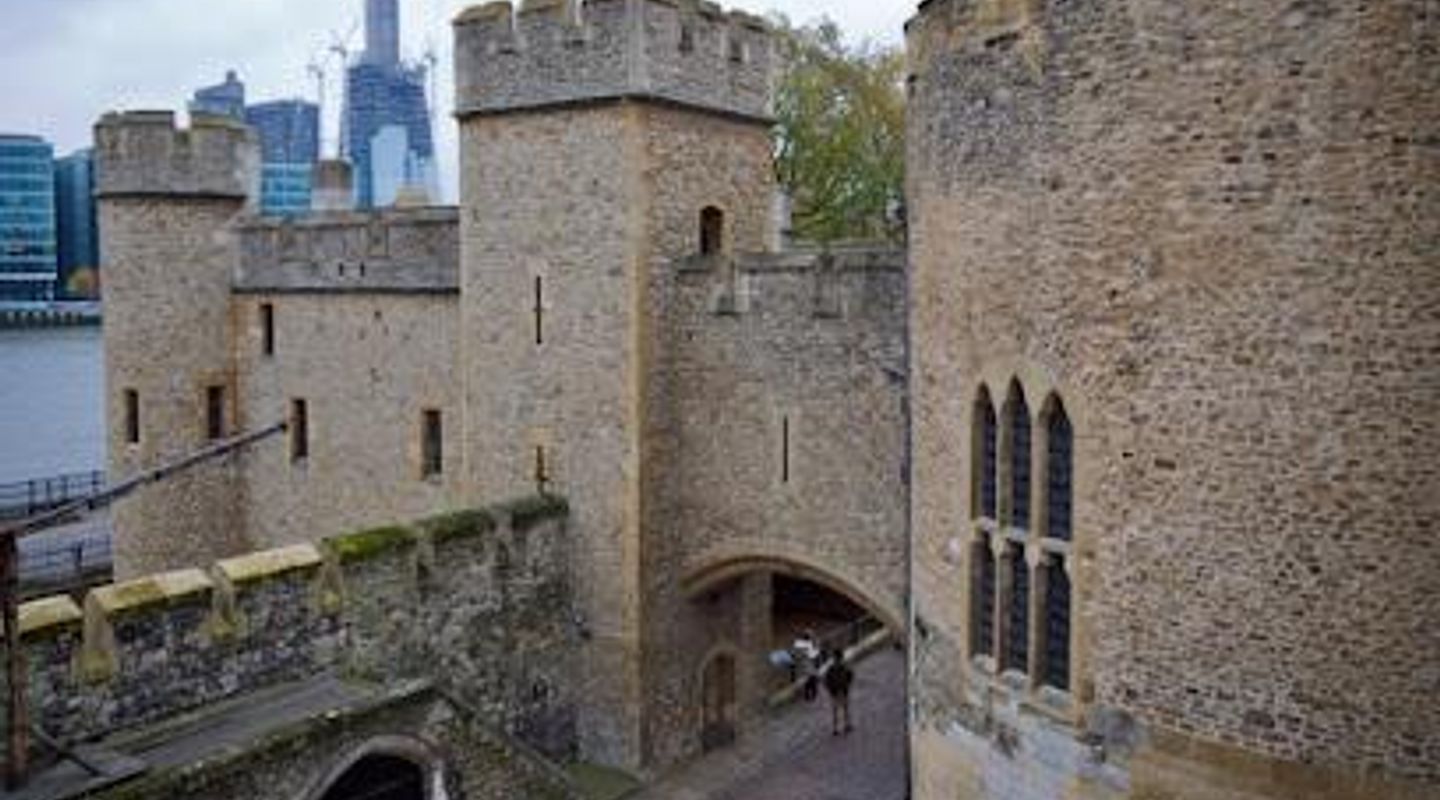
A striking medieval tower within the Tower of London complex, the Wakefield Tower stands as a testament to 13th-century royal architecture and English history. Originally built by Henry III between 1220 and 1240 as a luxurious royal residence and private audience chamber, this round tower features intricate stonework, a restored chapel, and commanding views across the Thames. The tower is historically significant as the alleged site of Henry VI's murder during the Wars of the Roses in 1471. Today, visitors can explore its battlements, examine period furnishings, and immerse themselves in centuries of royal intrigue and architectural grandeur.
On-site amenities
 Restrooms
 Food options
 Drink options
 Seating areas
 Information boards
 Visitor centre
- Address
- London EC3N 4AB
- Website
Getting there
Underground (Tube)
Bus
Walking from Central London
River Transport (Seasonal)
Discover more about Wakefield Tower
A Royal Residence of Medieval Splendor
The Wakefield Tower was constructed by King Henry III between 1220 and 1240 as part of his ambitious transformation of the Tower of London into a magnificent royal palace. Unlike the fortress's earlier military structures, this tower was designed as a luxurious private residence and audience chamber for the king and his court. Henry III, despite his political struggles with the English barons, was an accomplished aesthete who sought to create a comfortable and artistically refined space within the fortress walls. The tower's distinctive round design and unusually thick walls provided both security and grandeur, reflecting the king's dual concerns with protection and prestige. Its construction marked a pivotal moment when the Tower of London evolved from a purely military stronghold into a palatial residence comparable to Windsor Castle.
Architectural Craftsmanship and Interior Elegance
The Wakefield Tower exemplifies the sophisticated architectural ambitions of 13th-century English royalty. The structure features elaborate stonework, carefully designed windows, and a small chapel that demonstrates Henry III's attention to artistic detail. A fireplace and chapel have been carefully restored in recent years, allowing visitors to appreciate the tower's original refinement. Inside, the tower contains displays that illuminate the lives of Henry III and his wife Eleanor of Provence, offering insights into royal domestic life during the medieval period. A luxurious replica canopy throne, based on 13th-century descriptions, has been reconstructed to show how the king would have received audiences and conducted state business. The chapel, though modest in scale, reflects the spiritual and cultural priorities of the royal household.
The Shadow of Royal Tragedy
The Wakefield Tower's historical significance extends beyond its architectural merit to encompass one of England's most poignant royal tragedies. During the Wars of the Roses in 1471, King Henry VI was imprisoned within these walls and was murdered while at prayer in the tower's chapel. According to historical accounts, he was struck down during his devotions, an act that shocked contemporary observers and became a defining moment in the conflict between the houses of York and Lancaster. A small plaque in the chapel floor commemorates this tragic event, serving as a solemn reminder of the tower's role in England's turbulent medieval history. The murder of Henry VI transformed the Wakefield Tower from a symbol of royal comfort into a monument to the brutal realities of dynastic struggle.
Strategic Location and Access
Positioned at the corner of the innermost ward along the Thames, the Wakefield Tower occupied a strategically important location within the Tower of London's concentric defensive system. A postern gate near the tower provided private access to the king's apartments, allowing the royal family to move discreetly through the fortress. This careful positioning reflected the tower's dual purpose as both a residence and a secure stronghold. The tower's proximity to the river afforded views across the Thames and the surrounding landscape, providing both aesthetic pleasure and strategic advantage. From the battlements, visitors today can appreciate the same panoramic vistas that once delighted medieval royalty, with the river, Tower Bridge, and the modern London skyline creating a striking contrast with the ancient stone walls.
Medieval Palace Within a Fortress
The Wakefield Tower formed part of Henry III and Edward I's larger vision of transforming the Tower of London into England's most impressive royal residence. These kings expanded the fortress with massive curtain walls, additional towers, and elaborate defensive structures, creating a concentric castle of unparalleled strength. Within this fortified complex, they built a magnificent medieval palace where the royal family lived during times of peace and sought refuge during periods of political crisis. The Wakefield Tower, along with the nearby Lanthorn Tower, served as the private quarters for the king and queen. This integration of palatial comfort within military fortification was a hallmark of 13th-century royal architecture, demonstrating how medieval monarchs balanced the need for security with desires for luxury and refinement.
Evendo Review Centre
 Google
Guest reviews
Best time to go
Quietest: Jan, Feb & Dec · before 7am or at 9pm
Busy times are Evendo estimates for a typical year, to help you plan. Actual crowds vary with events, school holidays and the weather.
Explore Wakefield Tower on the map
A handpicked selection of must-see spots near Wakefield Tower, mapped for you.
Get your free copy of our complete guide to Wakefield Tower, delivered straight to you.
Everything on this page, from opening hours and how to get there to Eve’s tips and the best time to go, in one PDF you can read offline, print or share.
Already have an account? Sign in
Your Wakefield Tower guide is ready.
We'll send it to · Not you? Sign out

Getting your guide ready…
We are putting together a fresh copy of the Wakefield Tower guide. This can take up to a minute.
This can take a few moments. If your browser asks, choose Allow so the download can start. You'll find the guide in your Downloads folder.
Nothing happened? Download it again
Sorry, the guide is taking longer than usual. Please try again in a minute, or get it by email instead.
Unlock the best of Wakefield Tower
Skip-the-line tickets, guided tours with entry, and walking tours of the area, booked in a few clicks.


Other nearby places you may find interesting
The closest places of the same kind, if this one is not quite what you had in mind.
-

-
-
-
-


Swipe for more places
More to explore near Wakefield Tower

 Best experiences near Wakefield Tower
 Best hotels near Wakefield Tower
 Best landmarks near Wakefield Tower
 Best attractions near Wakefield Tower
 Best shops near Wakefield Tower
 Best restaurants near Wakefield Tower
 Best bars near Wakefield Tower
Do you manage this location?
Take control to get all the benefits, like improved information, better appearance, and stronger visibility across AI-powered discovery.
Explore more

Explore more of London
Explore London: A city of iconic landmarks, rich history, vibrant culture, and endless attractions that cater to every taste, making it a must-visit destination.
Explore London
Explore more of United Kingdom
Discover the United Kingdom: A blend of rich history, stunning landscapes, and vibrant cities, offering a unique travel experience for every visitor.
Explore United Kingdom