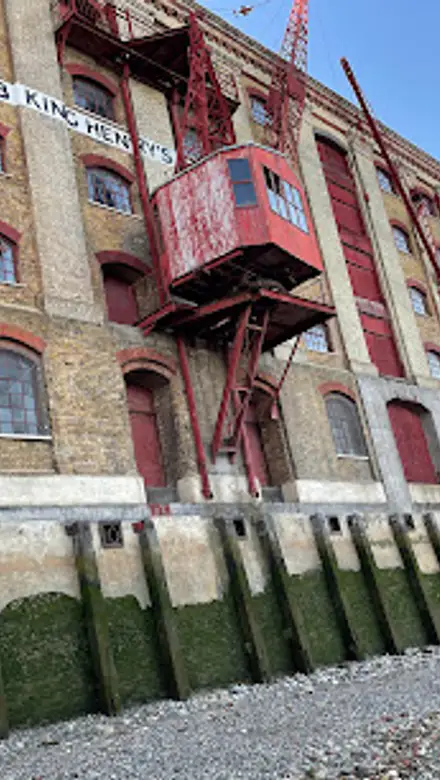
King Henry’s Stairs (Execution Dock) Travel Guide
Free Guide: Historic Thames foreshore site where pirates and maritime criminals faced grim justice under Admiralty law for over 400 years.


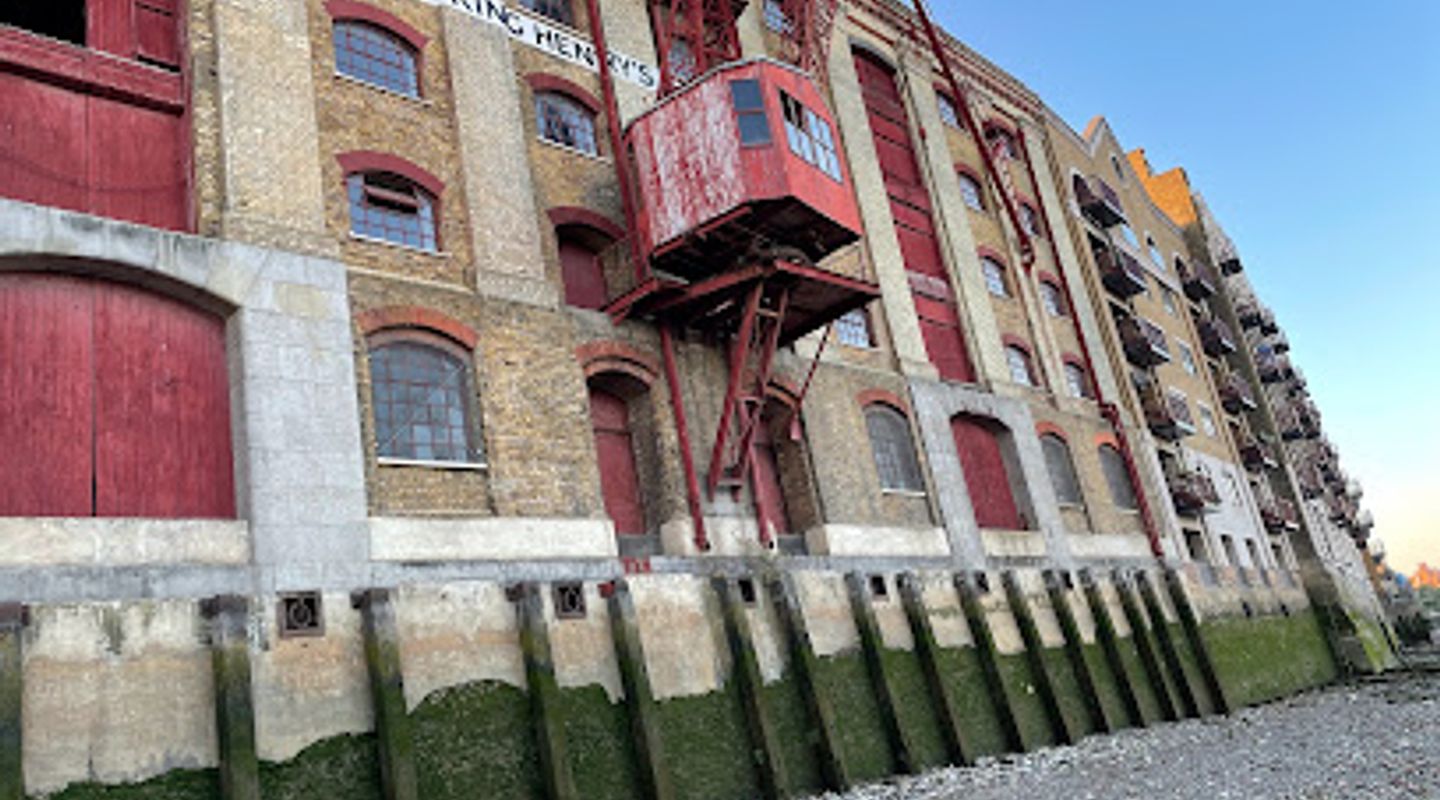
A brief summary of King Henry’s Stairs (Execution Dock)
Historic Thames foreshore site where pirates and maritime criminals faced grim justice under Admiralty law for over 400 years.
King Henry’s Stairs, located on Wapping High Street in London, is historically known as Execution Dock, the notorious site where pirates, smugglers, and maritime criminals were publicly executed over 400 years. Positioned on the Thames foreshore, just beyond the low-tide mark, it symbolized the Admiralty’s jurisdiction over crimes at sea. The grim executions, including that of Captain Kidd, were marked by a slow death from hanging with a shortened rope, and bodies were often left displayed as a warning to others.
On-site amenities
 Restrooms
 Drink options
 Food options
 Seating areas
 Information boards
- Address
- King Henry's Wharf, 120 Wapping High St, London E1W 2NS
- Website
Getting there
Public Transport
Bus
River Boat
Walking
Discover more about King Henry’s Stairs (Execution Dock)
Maritime Justice and the Role of Execution Dock
King Henry’s Stairs, also historically known as Execution Dock Stairs, served as the grim setting for the enforcement of British Admiralty law over crimes committed at sea. For over four centuries, it was the place where those convicted of piracy, smuggling, mutiny, and other maritime offenses were executed. The location was deliberately set just beyond the low-tide mark on the River Thames, symbolizing the Admiralty’s jurisdiction starting at the water’s edge. Convicted criminals were taken from Newgate Prison, paraded through London with great solemnity, and led to this site for their final sentence.
The Execution Rituals and Their Harsh Realities
Executions at Execution Dock were marked by particular cruelty. Pirates and other maritime criminals were hanged with a shortened rope, causing a slow and agonizing death by strangulation rather than a quick neck break. This was known as the "Marshal’s dance" because the convulsing limbs of the condemned appeared to dance as they suffocated. After death, the bodies were often left hanging until three tides washed over them, a practice intended as a stark warning to others. Some notorious offenders’ bodies were tarred and displayed in iron cages along the Thames for years.
Notable Figures and Historic Events
Among the infamous executed at Execution Dock was Captain William Kidd, convicted of piracy and murder in 1701. His execution was notably gruesome: the rope broke on the first attempt, and he was hanged on the second. His body was subsequently displayed in chains for over two decades. The last executions at the site took place in 1830, marking the end of a brutal chapter in maritime law enforcement. Over time, the exact location of the gallows shifted along the foreshore due to changes in the riverbank and practical considerations.
The Physical Legacy and Present-Day Site
Today, King Henry’s Stairs remain one of the few surviving watermen’s stairs on the Thames, offering access from Wapping High Street to the river. The original gallows no longer exist, and the precise site of Execution Dock is debated, with contenders including nearby pubs such as the Town of Ramsgate and the Prospect of Whitby. The stairs themselves are Grade II-listed and retain a worn, historic character. They have appeared in popular culture, including literature and television, preserving their eerie legacy.
Atmosphere and Visitor Experience
Visitors to King Henry’s Stairs can sense the weight of history along the riverbank where justice was once meted out in a public and brutal fashion. The narrow passage leading down the stairs and the proximity to the Thames evoke the maritime world of London’s past. The site offers a contemplative experience of London’s seafaring heritage and the stark realities of law and order during the height of British naval power.
Historical Importance in London’s Maritime Heritage
Execution Dock symbolizes the reach of the British Admiralty’s authority and the harsh penalties for crimes at sea. It highlights the importance of maritime law in maintaining order on the seas, which was vital for Britain’s naval dominance and trade security. The site stands as a reminder of the darker aspects of London’s riverfront history and the lives lost enforcing maritime justice.
Evendo Review Centre
 Google
Guest reviews
Best time to go
Quietest: Jan, Feb & Dec · before 6am or from 11pm
Busy times are Evendo estimates for a typical year, to help you plan. Actual crowds vary with events, school holidays and the weather.
Explore King Henry’s Stairs (Execution Dock) on the map
A handpicked selection of must-see spots near King Henry’s Stairs (Execution Dock), mapped for you.
Get your free copy of our complete guide to King Henry’s Stairs (Execution Dock), delivered straight to you.
Everything on this page, from opening hours and how to get there to Eve’s tips and the best time to go, in one PDF you can read offline, print or share.
Already have an account? Sign in
Your King Henry’s Stairs (Execution Dock) guide is ready.
We'll send it to · Not you? Sign out

Getting your guide ready…
We are putting together a fresh copy of the King Henry’s Stairs (Execution Dock) guide. This can take up to a minute.
This can take a few moments. If your browser asks, choose Allow so the download can start. You'll find the guide in your Downloads folder.
Nothing happened? Download it again
Sorry, the guide is taking longer than usual. Please try again in a minute, or get it by email instead.
Other nearby places you may find interesting
The closest places of the same kind, if this one is not quite what you had in mind.
-
-
-
-
-


Swipe for more places
More to explore near King Henry’s Stairs (Execution Dock)
-
 Best experiences near King Henry’s Stairs (Execution Dock)
-
 Best hotels near King Henry’s Stairs (Execution Dock)
-
 Best landmarks near King Henry’s Stairs (Execution Dock)
-
 Best attractions near King Henry’s Stairs (Execution Dock)
-
 Best shops near King Henry’s Stairs (Execution Dock)
-
 Best restaurants near King Henry’s Stairs (Execution Dock)
-
 Best bars near King Henry’s Stairs (Execution Dock)


Do you manage this location?
Take control to get all the benefits, like improved information, better appearance, and stronger visibility across AI-powered discovery.
Explore more
Explore more of Middlesex
Discover Middlesex: A blend of historic charm and modern excitement, offering scenic beauty, cultural events, and easy access to London.
Explore Middlesex
Explore more of United Kingdom
Discover the United Kingdom: A blend of rich history, stunning landscapes, and vibrant cities, offering a unique travel experience for every visitor.
Explore United Kingdom