Magna Carta Travel Guide
Free Guide: Where King John sealed Magna Carta in 1215, founding the principle that no one—not even kings—is above the law.


A brief summary of Magna Carta
Where King John sealed Magna Carta in 1215, founding the principle that no one—not even kings—is above the law.
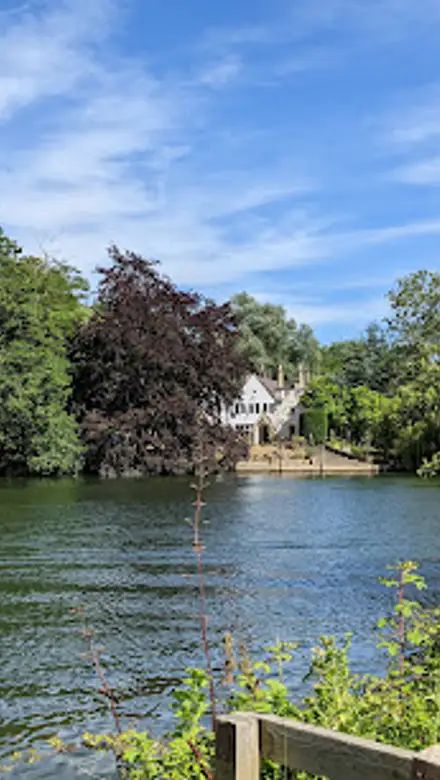
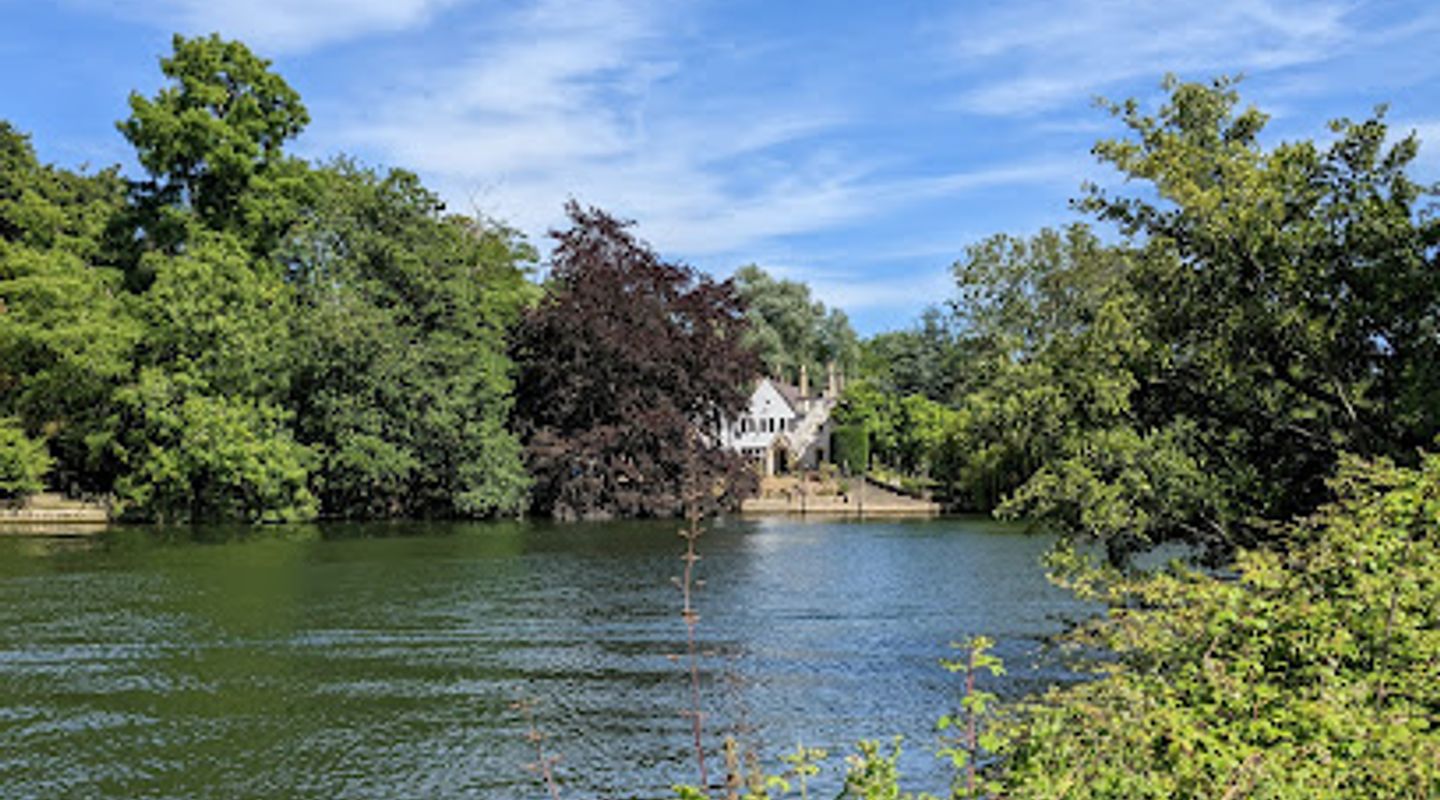
Runnymede is a historic water-meadow on the banks of the River Thames near Windsor where King John sealed the Magna Carta on 15 June 1215. This pivotal moment established the principle that no one, not even the monarch, is above the law—a foundation for modern democracy and constitutional governance worldwide. Today, the National Trust–managed site features the iconic Magna Carta Memorial, memorials to President John F. Kennedy and Commonwealth Air Forces, contemporary art installations, and peaceful riverside walks through wetlands and woodland.
On-site amenities
 Restrooms
 Drink options
 Food options
 Seating areas
 Picnic areas
 Trash bins
 Information boards
 Visitor centre
Opening hours
- Every dayOpen 24 hours
Opening hours as listed on the venue’s Google Business Profile. Hours can change for services and special events, so check with the venue before you go.
- Address
- Windsor Rd, Old Windsor, Englefield Green, Windsor TW20 0YU
- Phone
- Website
Getting there
Car
Train and Walk
Bicycle
Bus
Discover more about Magna Carta
The Sealing of Magna Carta and Its Revolutionary Impact
On 15 June 1215, King John sealed the Magna Carta at Runnymede, an event that would reshape the course of English history and establish principles that echo through democracies worldwide. The charter emerged from bitter civil conflict: King John's ruthless taxation and autocratic rule had provoked rebellion among barons, primarily from northern England and East Anglia. By early 1215, England teetered on the brink of civil war. After the barons captured London and forced the king to negotiate, both sides agreed to terms at this neutral meadow, equidistant from their respective positions—Windsor Castle, where King John sheltered, and Staines, where the barons camped.The Magna Carta was revolutionary for its time. Its 63 clauses protected the freedom of the Church, prevented the king from levying taxes without consultation, and enshrined the right of free men to justice and fair trial. Most significantly, it established that the sovereign himself must obey the law—a radical departure from absolute monarchy. Though "free men" initially referred only to powerful landowners and guild members, this principle acquired profound symbolic significance over centuries. Today, only four original clauses remain on the statute book, yet Magna Carta stands as the cornerstone of constitutional liberty, inspiring freedom movements and democratic constitutions globally, including the United States Constitution.
A Landscape Steeped in Ancient Significance
Runnymede itself is a water-meadow and Thames floodplain of remarkable character. The exact location where the charter was sealed remains uncertain—scholars debate whether it occurred in the open meadow, on a nearby island, or beneath the ancient Ankerwycke Yew, a 2,500-year-old tree on the opposite bank that may have served as a sacred meeting place. Medieval chroniclers including Ralph of Coggeshall and Matthew Paris note that Runnymede had hosted assemblies since ancient times, making it a natural choice for such momentous negotiations. The landscape today remains largely as it appeared in 1215: open grassland, riverside walks, and lush wetlands designated as a Site of Special Scientific Interest, home to diverse wildlife, spring flowers, summer glades, and autumn fungi.
Memorials to Liberty and Remembrance
The most prominent monument is the Magna Carta Memorial, a classical domed structure designed by Sir Edward Maufe and unveiled on 18 July 1957 by the American Bar Association. The ABA's involvement reflects America's profound reverence for Magna Carta as a foundation of constitutional democracy—arguably, the United States views the charter with greater historical significance than Britain itself. The memorial contains a pillar of English granite inscribed with words commemorating the charter as a symbol of freedom under law. Nearby stands a commemorative oak tree, planted with soil from Jamestown, Virginia, acknowledging the lineage of American constitutional ideals back to Runnymede.The site also honours other struggles for freedom and justice. The John F. Kennedy Memorial, inaugurated on 14 May 1965 by Queen Elizabeth II alongside President Kennedy's widow Jackie and their children, features a Portland stone cupola on an acre formally bequeathed to the United States. Atop Cooper's Hill stands the Commonwealth Air Forces Memorial, honouring those who died in service, with names inscribed on panels and views across the meadow. Contemporary art installations, including twelve intricately carved bronze chairs titled "The Jurors" by Hew Locke, celebrate Magna Carta's enduring legacy. A striking statue of Queen Elizabeth II, unveiled to mark the 800th anniversary in 2015, stands on the riverbank alongside a Timeline tracing 800 years of monarchy and constitutional development.
Acquisition and Preservation by the National Trust
Runnymede's survival as a historic site was far from assured. By 1813, development threatened the meadow, but the Runnymede Enclosure Act of 1814 protected it—initially to preserve the annual Egham Horse Races, not its historical significance. After World War I, when the government considered selling the site for revenue, the formation of the Magna Carta Commemoration Society in 1923 sparked a campaign for preservation. In 1929, American heiress Cara Leyland Rogers, Lady Fairhaven, purchased Runnymede and entrusted it to the National Trust. She commissioned architect Sir Edwin Lutyens to design two memorial lodges and kiosks, alongside stone monuments with urns, ensuring the site would remain a place of reflection and commemoration.
A Destination for Contemplation and Discovery
Today, Runnymede offers visitors a multifaceted experience. The open meadow invites peaceful walks along the Thames, where keen observers may spot diverse birdlife. Waymarked trails wind through woodland slopes and wetlands. A National Trust tea-room provides refreshment, and picnicking is encouraged. The site welcomes cyclists on the National Cycle Network Route 2, with racks available near the car park. For those seeking deeper understanding, the immersive architectural installation "Writ in Water" by Mark Wallinger offers reflection on Magna Carta's significance. The site remains a venue for significant commemorative events and ceremonies, drawing visitors from around the world who come to stand where a tyrannical king was brought under the rule of law—a moment that changed the world.
Evendo Review Centre
 Google
Guest reviews
Best time to go
Quietest: Jan, Feb & Nov · before 7am or at 8pm
Busy times are Evendo estimates for a typical year, to help you plan. Actual crowds vary with events, school holidays and the weather.
Explore Magna Carta on the map
A handpicked selection of must-see spots near Magna Carta, mapped for you.
Get your free copy of our complete guide to Magna Carta, delivered straight to you.
Everything on this page, from opening hours and how to get there to Eve’s tips and the best time to go, in one PDF you can read offline, print or share.
Already have an account? Sign in
Your Magna Carta guide is ready.
We'll send it to · Not you? Sign out

Getting your guide ready…
We are putting together a fresh copy of the Magna Carta guide. This can take up to a minute.
This can take a few moments. If your browser asks, choose Allow so the download can start. You'll find the guide in your Downloads folder.
Nothing happened? Download it again
Sorry, the guide is taking longer than usual. Please try again in a minute, or get it by email instead.
Unlock the best of Magna Carta
Skip-the-line tickets, guided tours with entry, and walking tours of the area, booked in a few clicks.
 Tour with entry
Layover Windsor Tour from LHR: Executive Luxurious Vehicle Private Tour
from $541.40 Tour with entry
Layover Windsor Private Tour from LHR
from $680.91 Tour with entry
Layover Windsor Private Tour from LHR Including Passes
from $680.91 Tour with entry
Private Windsor Roundtrip Transfer from London
from $704.87

Other nearby places you may find interesting
The closest places of the same kind, if this one is not quite what you had in mind.
-
-
-
-
-


Swipe for more places
More to explore near Magna Carta

 Best experiences near Magna Carta
 Best hotels near Magna Carta
 Best landmarks near Magna Carta
 Best attractions near Magna Carta
 Best shops near Magna Carta
 Best restaurants near Magna Carta
 Best bars near Magna Carta
Do you manage this location?
Take control to get all the benefits, like improved information, better appearance, and stronger visibility across AI-powered discovery.
Explore more
Explore more of Middlesex
Discover Middlesex: A blend of historic charm and modern excitement, offering scenic beauty, cultural events, and easy access to London.
Explore Middlesex
Explore more of United Kingdom
Discover the United Kingdom: A blend of rich history, stunning landscapes, and vibrant cities, offering a unique travel experience for every visitor.
Explore United Kingdom