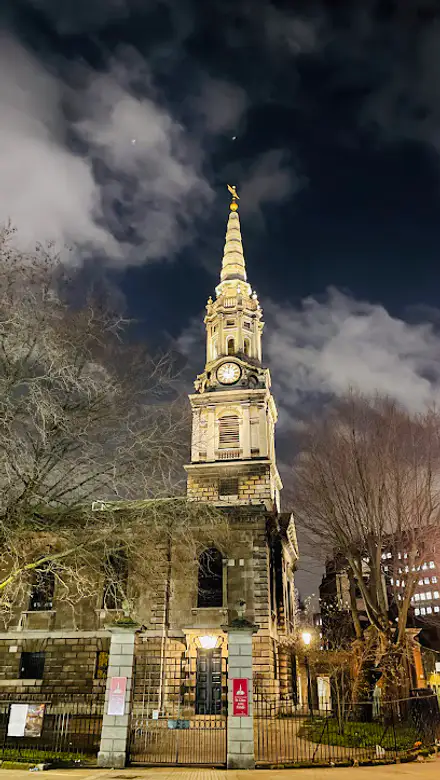
St Giles in the Fields Travel Guide
Free Guide: Discover St Giles in the Fields, a historic London church with roots in medieval care, elegant Palladian architecture, and rich cultural heritage.


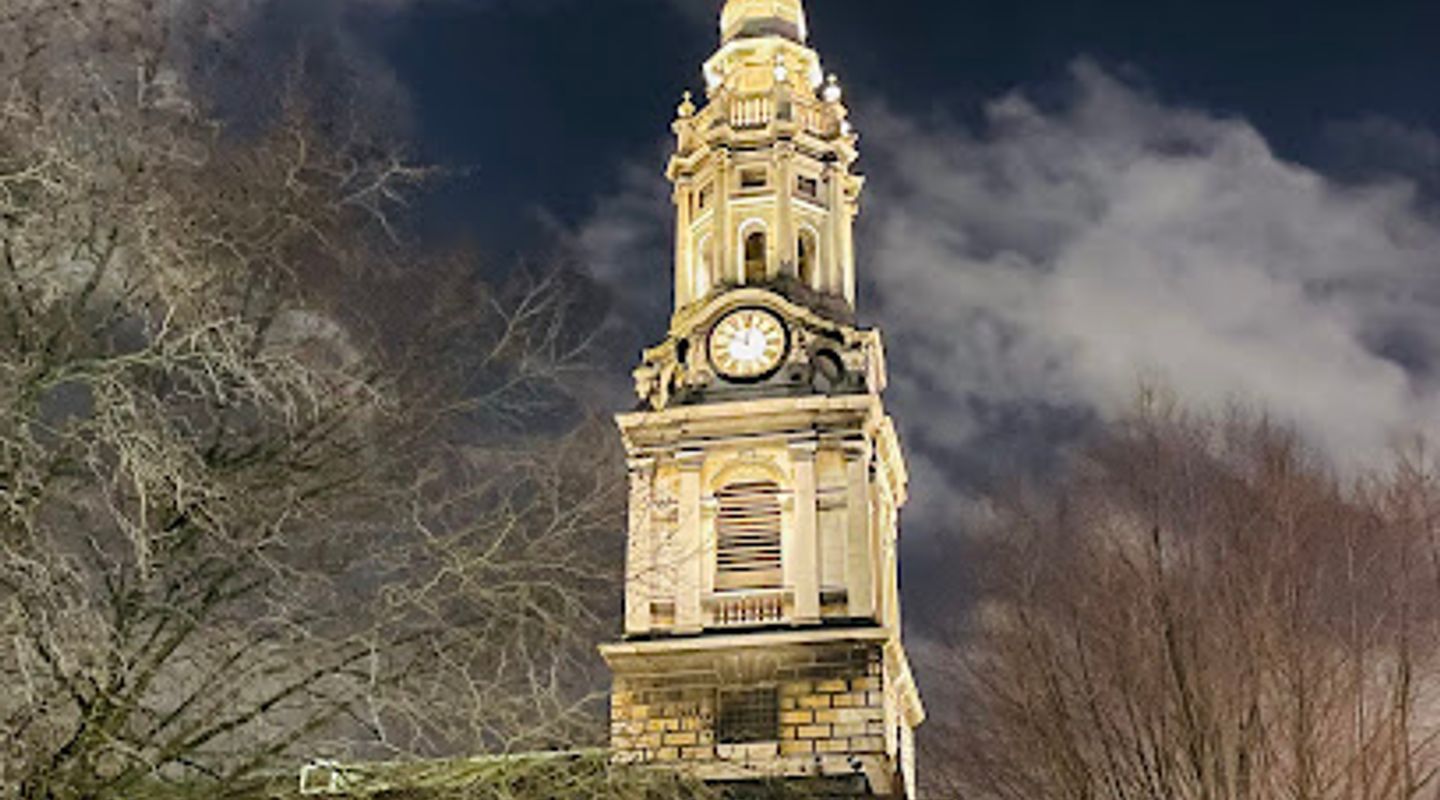
A brief summary of St Giles in the Fields
Discover St Giles in the Fields, a historic London church with roots in medieval care, elegant Palladian architecture, and rich cultural heritage.
St Giles in the Fields is a historic Anglican parish church located at 60 St Giles High Street, London. Founded in 1101 as a chapel for a leper hospital established by Queen Matilda, it has evolved through centuries of religious, social, and architectural change. The current Palladian-style building, designed by Henry Flitcroft and completed in 1734, stands as a testament to the area's rich history, from medieval care for the sick to its role in London's urban development and cultural heritage.
On-site amenities
 Restrooms
 Seating areas
 Information boards
Opening hours
- Mon9 am–5 pm
- Tue9 am–5 pm
- Wed9 am–5 pm
- Thu9 am–5 pm
- Fri9 am–5 pm
- Sat11 am–3 pm
- Sun10:30 am–1 pm, 6 pm–8 pm
Opening hours as listed on the venue’s Google Business Profile. Hours can change for services and special events, so check with the venue before you go.
- Address
- 60 St Giles High St, London WC2H 8LG
- Phone
- Website
Getting there
London Underground
Bus
Taxi or Rideshare
Discover more about St Giles in the Fields
Origins Rooted in Compassion and Care
St Giles in the Fields began its life in the early 12th century as a chapel attached to a leper hospital founded by Queen Matilda, wife of Henry I. Situated then outside the City of London, it served as a place of refuge and care for those afflicted with leprosy, a disease surrounded by stigma and isolation. The hospital and chapel formed the nucleus of a small village, giving rise to the parish that would bear the church’s name. This early foundation reflects a medieval commitment to charity and healing, integral to the church’s identity over the centuries.
Architectural Evolution and Patronage
The church standing today is the third on the site, replacing earlier structures that dated back to the 12th and 17th centuries. The second church, built between 1623 and 1631, was a Gothic brick building funded in part by Alice, Duchess Dudley, a prominent local benefactor. By the early 18th century, the church had deteriorated, prompting a significant rebuild. Between 1730 and 1734, Henry Flitcroft, a noted Palladian architect, designed the current elegant structure, consecrated on Christmas Day 1733. Its classical proportions and refined style contrast with the church’s humble origins, symbolizing the parish’s growth and the changing tastes of the era.
Historical Significance and Social Context
St Giles in the Fields has long been intertwined with the social fabric of London. The churchyard was historically the site of gallows and a place where condemned prisoners received their last refreshments, known as the 'St Giles’s Bowl.' It also witnessed the burial of thousands during plague outbreaks, including the devastating 1665 pandemic. The surrounding area, once a notorious slum known as the St Giles Rookery, housed many impoverished residents, including Irish immigrants fleeing famine in the 19th century. The church’s role extended beyond worship, serving as a community anchor amid hardship and change.
Memorials and Cultural Heritage
Within and around St Giles are memorials to notable figures linked to British history and colonial expansion. The churchyard holds the graves of Roman Catholic martyrs and the chest tomb of Richard Penderel, who famously aided King Charles II’s escape after the Battle of Worcester. Inside, plaques commemorate individuals such as Cecilius Calvert, the first proprietor of Maryland, reflecting the parish’s connections to wider historical narratives. The church also supports contemporary social groups like Alcoholics Anonymous, continuing its tradition of community care.
Architectural Features and Artistic Highlights
The church’s Palladian design features a balanced façade and classical elements typical of the 18th century. Noteworthy is the Resurrection Gate, adorned with a bas-relief of the Day of Judgement, relocated in the 19th century to a prominent position. The interior houses stained-glass windows and galleries that echo its rich past. The church’s illuminated manuscript, known as the Doomsday Book, records the names of subscribers who funded the 17th-century rebuilding, offering a unique glimpse into its patronage history.
St Giles Today: A Living Heritage Site
Today, St Giles in the Fields remains an active parish church at the heart of London’s vibrant West End. It stands not only as an architectural landmark but also as a symbol of resilience and service, bridging nearly a millennium of history. Visitors can explore its grounds, reflect on its layered past, and appreciate its ongoing role in spiritual life and community support within a bustling urban environment.
Evendo Review Centre
 Google
Guest reviews
Best time to go
Quietest: Jan, Feb & Nov · before 6am or from 11pm
Busy times are Evendo estimates for a typical year, to help you plan. Actual crowds vary with events, school holidays and the weather.
Explore St Giles in the Fields on the map
A handpicked selection of must-see spots near St Giles in the Fields, mapped for you.
Get your free copy of our complete guide to St Giles in the Fields, delivered straight to you.
Everything on this page, from opening hours and how to get there to Eve’s tips and the best time to go, in one PDF you can read offline, print or share.
Already have an account? Sign in
Your St Giles in the Fields guide is ready.
We'll send it to · Not you? Sign out

Getting your guide ready…
We are putting together a fresh copy of the St Giles in the Fields guide. This can take up to a minute.
This can take a few moments. If your browser asks, choose Allow so the download can start. You'll find the guide in your Downloads folder.
Nothing happened? Download it again
Sorry, the guide is taking longer than usual. Please try again in a minute, or get it by email instead.
Unlock the best of St Giles in the Fields
Skip-the-line tickets, guided tours with entry, and walking tours of the area, booked in a few clicks.


Other nearby places you may find interesting
The closest places of the same kind, if this one is not quite what you had in mind.
-
-
-
-
-


Swipe for more places
More to explore near St Giles in the Fields

 Best experiences near St Giles in the Fields
 Best hotels near St Giles in the Fields
 Best landmarks near St Giles in the Fields
 Best attractions near St Giles in the Fields
 Best shops near St Giles in the Fields
 Best restaurants near St Giles in the Fields
 Best bars near St Giles in the Fields
Do you manage this location?
Take control to get all the benefits, like improved information, better appearance, and stronger visibility across AI-powered discovery.
Explore more
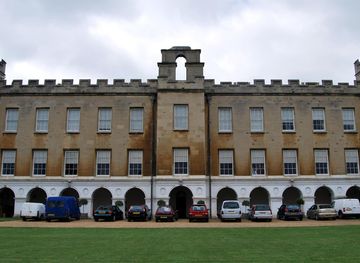
Explore more of Middlesex
Discover Middlesex: A blend of historic charm and modern excitement, offering scenic beauty, cultural events, and easy access to London.
Explore Middlesex
Explore more of United Kingdom
Discover the United Kingdom: A blend of rich history, stunning landscapes, and vibrant cities, offering a unique travel experience for every visitor.
Explore United Kingdom