The King's Head Gantry, Middlesex Travel Guide
Historic King's Head Gantry in Harrow on the Hill, a royal relic and iconic village landmark steeped in centuries of heritage.
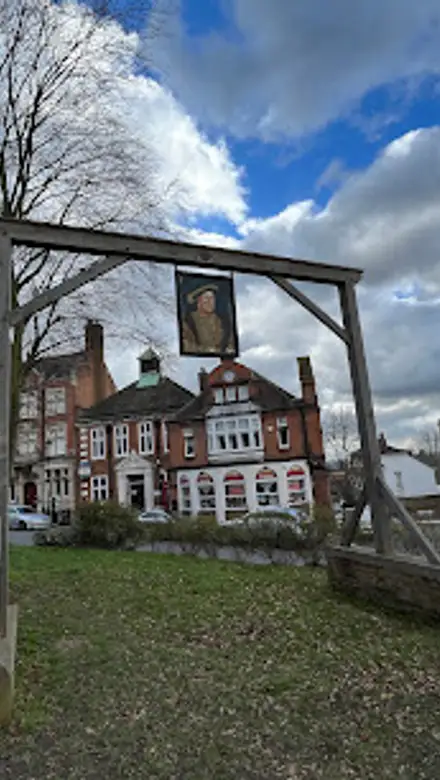
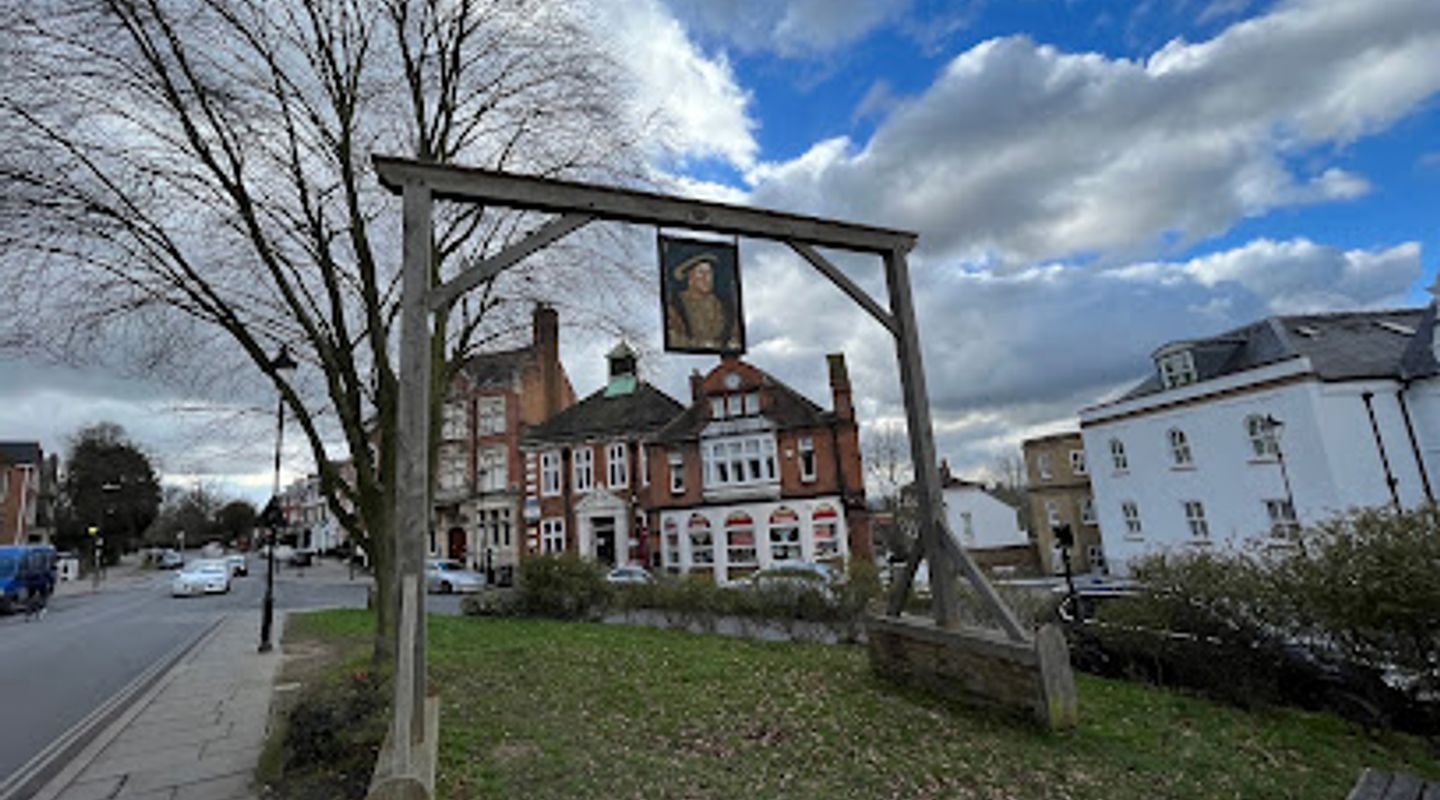
The King's Head Gantry in Harrow on the Hill is a striking historic landmark linked to the King's Head Hotel, a building dating back to the 16th century when it served as a hunting lodge for Henry VIII. This iconic gantry sign, suspended over The Green, symbolizes the area's rich heritage and offers visitors a glimpse into the village's past amidst its Georgian architecture and quaint streets.
A brief summary to The King's Head Gantry
- Byron Hill Rd, Harrow, HA1 3LW, GB
- Duration: 0.5 to 1.5 hours
- Free
-
 Outdoor
- Mobile reception: 4 out of 5

Know before you go
Hi, I'm Eve. Here are a few practical things to know before exploring The King's Head Gantry.
- Visit during daylight hours to fully appreciate the gantry’s details and the surrounding Georgian architecture.
- Explore nearby narrow lanes and historic cottages for a deeper sense of the village’s character.
- Combine your visit with a stop at the nearby parish church to see Victorian interior design and ancient tombs.
- Check for local events or fairs at The Green to experience community life and seasonal festivities.
Do you manage this location?
Take control to get all the benefits, like improved information, better appearance, and stronger visibility across AI-powered discovery. Learn more about listing your business on Evendo
Activate your presenceOther nearby places you may find interesting
The closest places of the same kind, if this one is not quite what you had in mind.


Explore The King's Head Gantry on the Map
A handpicked selection of must-see spots near The King's Head Gantry, mapped for you.
Getting There
-
Bus
Take London bus routes 258 or 398 to Harrow on the Hill. From the bus stop, it’s about a 5-7 minute walk on gently sloping terrain to the gantry. Buses run frequently during the day with fares around £1.75 using an Oyster card or contactless payment.
-
Train
Use the London Overground or Chiltern Railways to Harrow on the Hill station, approximately 1.5 km from the gantry. A taxi or a 20-minute walk through scenic village streets will bring you to the site. Train fares start from £3 depending on origin.
-
Car
Driving to Harrow on the Hill is possible, but parking is limited and often paid. Nearby public car parks charge approximately £2-£4 per hour. The area’s narrow streets require careful navigation.
For the on-the-go comforts that matter to you
-
 Seating Areas
-
 Information Boards
-
 Trash Bins
Discover more about The King's Head Gantry
Historical Roots of the King's Head
The King's Head Gantry is a prominent historical feature in Harrow on the Hill, associated with the King's Head Hotel, which was originally built in 1535 as a hunting lodge for King Henry VIII. While the current building dates from the 18th century and no longer operates as a hostelry, the gantry sign remains a vivid reminder of the site's royal connections and centuries-old heritage. The gantry itself is an eye-catching structure draped across The Green, a central grassy crescent surrounded by shops and Georgian buildings, evoking the charm of a traditional market town.The Architectural and Cultural Setting
The area around the King's Head Gantry is characterized by well-preserved Georgian architecture, narrow alleys, and quaint cottages, which together create a picturesque and historic village atmosphere. The Green, where the gantry is located, was once the heart of Harrow before the railway shifted the town center downhill. Nearby, visitors can explore winding lanes, historic houses like Hatmaker's House and Penny Stones Cottage, and enjoy views that occasionally frame central London through gaps in the buildings.Preservation and Local Significance
Efforts to preserve the King's Head Gantry highlight its importance as a cultural and historical symbol for Harrow on the Hill. The gantry not only marks a physical location but also serves as a visual emblem of the area's identity, reflecting its evolution from a royal hunting retreat to a vibrant community hub. The landmark stands as a testament to the village’s layered history and ongoing commitment to conserving its heritage.Visitor Experience and Atmosphere
Visitors to the King's Head Gantry can soak in the tranquil yet lively ambiance of Harrow on the Hill. The area combines the serenity of a historic village with the bustle of local shops, cafes, and regular community events. The gantry itself offers a unique photo opportunity, framed by the surrounding architecture and the green space below. Nearby, the blend of old and new creates a charming setting for leisurely strolls and cultural exploration.Nearby Attractions and Community Life
Close to the gantry, visitors can find other historic sites such as the parish church with its Victorian interior and ancient tombs, as well as local pubs like The Castle. The village hosts seasonal fairs and markets, adding to the festive and communal spirit. The surrounding streets and playing fields, including Football Lane, offer additional points of interest and a glimpse into the daily life and traditions of the Harrow community.Legacy and Continuing Appeal
The King's Head Gantry remains a beloved landmark, symbolizing the enduring legacy of Harrow on the Hill’s rich past. It invites visitors to connect with history while enjoying the unique blend of architectural beauty, village charm, and community vitality that defines this historic corner of London.












Your all‑in‑one travel companion app
Explore expert travel guides, compare and book tours, experiences, hotels, and more—all from the palm of your hand. Download now for seamless trip planning wherever your wanderlust takes you.


Explore More of Middlesex
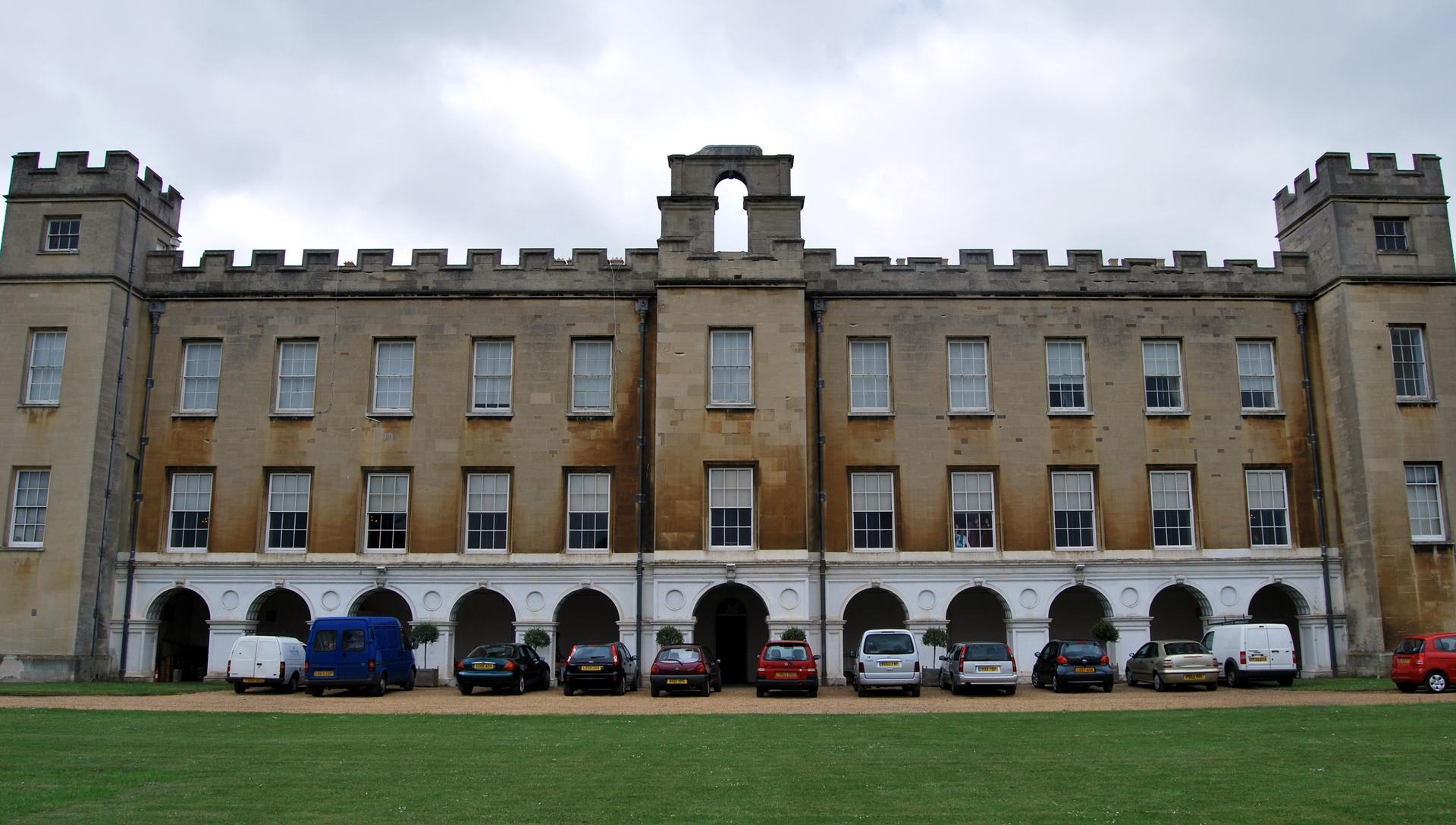
Looking beyond The King's Head Gantry? Discover Middlesex for broader travel guides, local hot-spots, and regional highlights.
Explore Middlesex