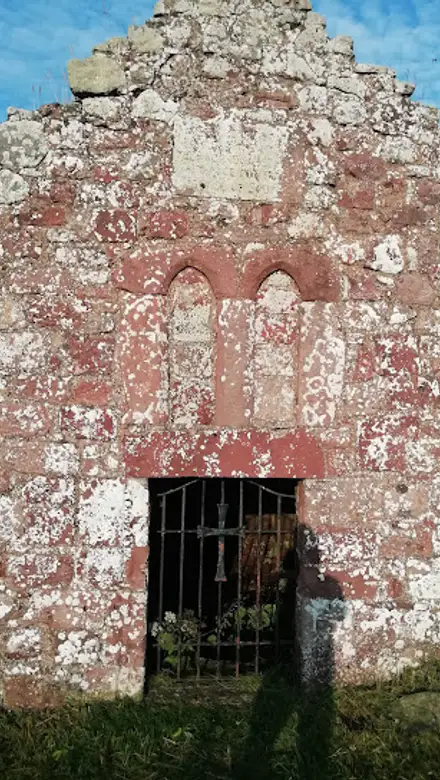
Soutra Aisle Travel Guide
Free Guide: Medieval hospital ruins where 12th-century monks pioneered surgical medicine on Scotland's ancient Royal Road.


A brief summary of Soutra Aisle
Medieval hospital ruins where 12th-century monks pioneered surgical medicine on Scotland's ancient Royal Road.
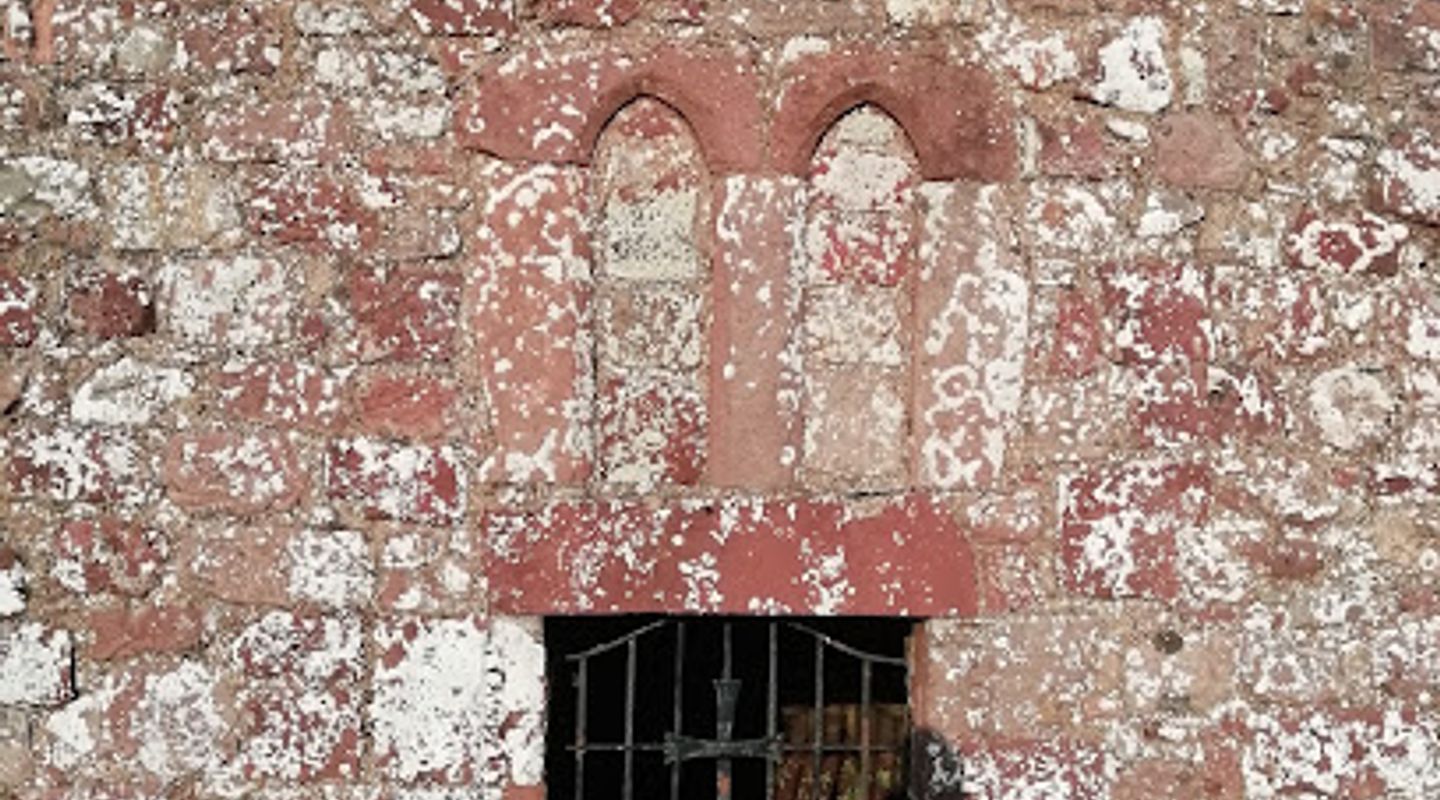
Soutra Aisle stands as the haunting remains of a 12th-century medieval hospital, once one of Scotland's most important healing institutions. Founded in 1164 by King Malcolm IV and run by Augustinian monks, this hilltop sanctuary welcomed pilgrims, travellers, and the infirm along the ancient Royal Highway between Edinburgh and the Borders. Archaeological excavations have revealed sophisticated medical practices, including evidence of surgery and rare medicinal plants sourced from across the known world. Today, the surviving aisle serves as a family burial vault, a poignant reminder of medieval Scotland's ecclesiastical heritage.
On-site amenities
 Information boards
- Address
- Pathhead EH37 5TF
- Website
Getting there
Car via A68
Bus and walk
Cycling via A68 corridor
Guided tour from Edinburgh
Discover more about Soutra Aisle
A Hospital on the Royal Road
Soutra Aisle occupies a commanding position atop Soutra Hill, standing at 1,200 feet—the highest medieval hospital and monastic site in the British Isles. Its strategic location was no accident. The site sits directly alongside Dere Street, the ancient Roman road that became known in medieval times as the King's Highway or Royal Road, the principal route connecting Scotland and England. This positioning ensured a constant flow of travellers, soldiers, pilgrims, and the infirm seeking shelter and care. When Edward II's army of 20,000 troops marched toward the Battle of Bannockburn in 1314, many found accommodation at Soutra, testament to the hospital's capacity and reputation.Founded in 1164 by King Malcolm IV, Soutra was established with a specific mission: to treat the sick, provide hospitality to travellers, offer alms to the poor, and grant legal sanctuary to fugitives. Unlike many monasteries of the period, Soutra's purpose was explicitly humanitarian. The hospital eventually sprawled across 700 square metres and housed approximately 300 monks, servants, and staff permanently, all dedicated to caring for the endless stream of humanity passing through its gates.
Medieval Medicine and Monastic Healing
The Augustinian Order that managed Soutra earned a formidable reputation for medical excellence. Archaeological investigations have uncovered pottery vessels that once contained sophisticated medicinal preparations, revealing that the monks possessed remarkable knowledge of pharmacology. They used hemlock, henbane, and opium poppy to create painkillers and anaesthetics—substances that would not be widely understood in Europe for centuries. A salve of opium mixed with lard was applied to surgical dressings, protecting wounds after amputation or complex procedures.The physical evidence is striking: fragments of amputated body parts and dressings bearing human tissue confirm that the monks at Soutra performed surgery at a level of sophistication that challenges modern assumptions about medieval medicine. Seeds discovered during excavations—including opium poppies, cloves, and hemlock—were sourced from across the known world, indicating an international network of medical knowledge and trade. The waterlogged clay base of Soutra Hill created ideal conditions for preserving these fragile botanical and organic remains, allowing modern archaeologists to reconstruct practices that would otherwise have vanished entirely.
Decline and Transformation
Soutra's prominence endured until the 1460s, when scandal struck. Stephen Fleming, the Master of the Hospital, was accused of misconduct and deposed. The consequences were catastrophic. The hospital's extensive estates were confiscated and transferred to Trinity College Hospital in Edinburgh, stripping Soutra of its financial foundation. What had been one of Scotland's three most important hospitals collapsed almost overnight, its lands seized and its purpose abandoned. The site's buildings were dismantled, their stone carted away and repurposed in nearby construction projects.Yet Soutra did not vanish entirely. In 1686, the surviving aisle—the eastern portion of the original hospital church—was converted into a family burial vault for the Pringles of Soutra. This transformation proved to be its salvation. Where other monastic buildings were obliterated, the Pringle family vault preserved the structure, creating an enduring monument to Scotland's medieval ecclesiastical heritage and the remarkable medical innovations that once flourished within its walls.
Evendo Review Centre
 Google
Guest reviews
Best time to go
Quietest: Jan, Feb & Dec · before 7am or from 7pm
Busy times are Evendo estimates for a typical year, to help you plan. Actual crowds vary with events, school holidays and the weather.
Explore Soutra Aisle on the map
A handpicked selection of must-see spots near Soutra Aisle, mapped for you.
Get your free copy of our complete guide to Soutra Aisle, delivered straight to you.
Everything on this page, from opening hours and how to get there to Eve’s tips and the best time to go, in one PDF you can read offline, print or share.
Already have an account? Sign in
Your Soutra Aisle guide is ready.
We'll send it to · Not you? Sign out

Getting your guide ready…
We are putting together a fresh copy of the Soutra Aisle guide. This can take up to a minute.
This can take a few moments. If your browser asks, choose Allow so the download can start. You'll find the guide in your Downloads folder.
Nothing happened? Download it again
Sorry, the guide is taking longer than usual. Please try again in a minute, or get it by email instead.
Other nearby places you may find interesting
The closest places of the same kind, if this one is not quite what you had in mind.
-
-
-
-
-


Swipe for more places
More to explore near Soutra Aisle

 Best experiences near Soutra Aisle
 Best hotels near Soutra Aisle
 Best landmarks near Soutra Aisle
 Best attractions near Soutra Aisle
 Best shops near Soutra Aisle
 Best restaurants near Soutra Aisle
 Best bars near Soutra Aisle
Do you manage this location?
Take control to get all the benefits, like improved information, better appearance, and stronger visibility across AI-powered discovery.
Explore more
Explore more of Midlothian
Discover Midlothian, Scotland's hidden gem, where history, nature, and culture blend seamlessly to offer a unique travel experience.
Explore Midlothian
Explore more of United Kingdom
Discover the United Kingdom: A blend of rich history, stunning landscapes, and vibrant cities, offering a unique travel experience for every visitor.
Explore United Kingdom