

From Eve
Know before you go
Hi, I'm Eve. Here are a few practical things to know before exploring Vindolanda.
Local know-how to help you travel smarter and make the most of every moment.

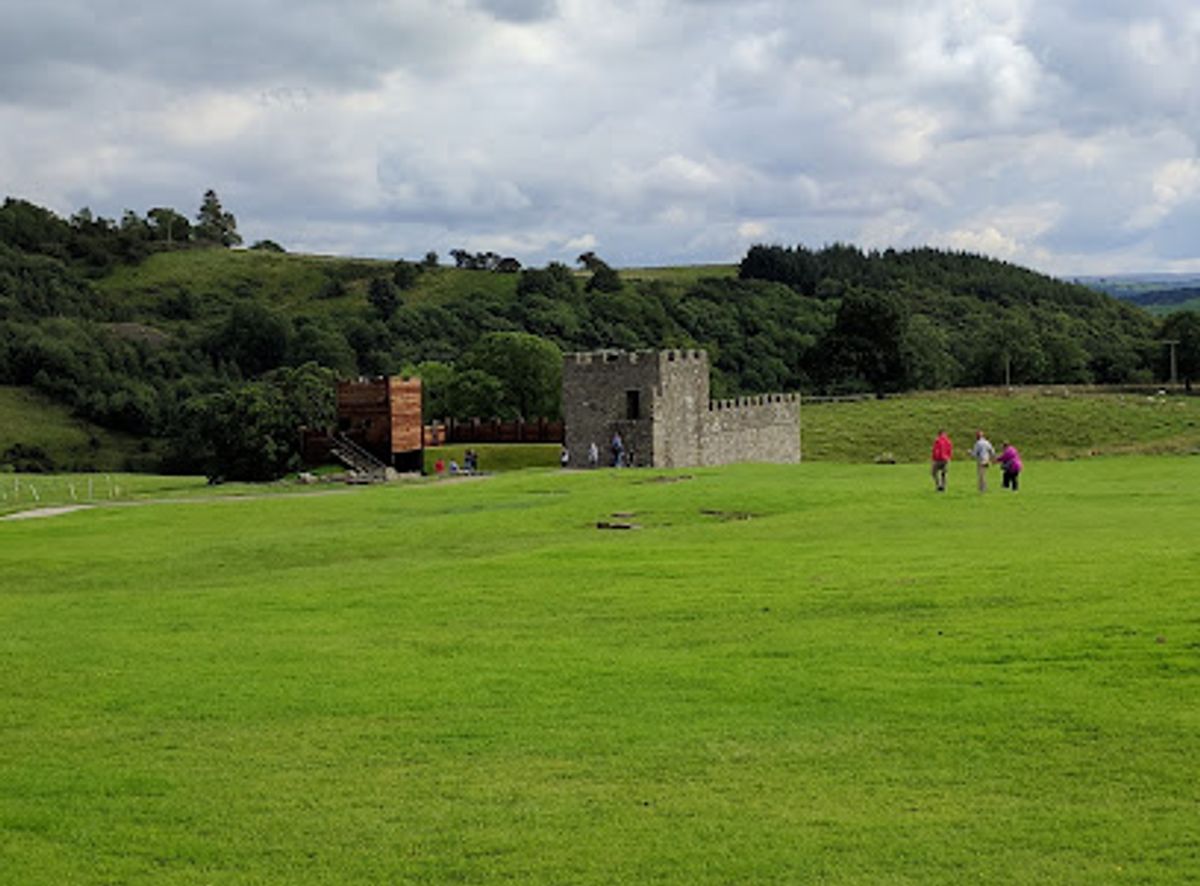
Explore Vindolanda, where ancient Roman frontier life and Britain's oldest handwritten documents come vividly to life beneath Hadrian’s Wall.
Vindolanda, near Hexham in Northumberland, is a remarkable Roman auxiliary fort and archaeological site that predates Hadrian’s Wall. Occupied from around 85 AD to 370 AD, it reveals layers of military and civilian life with ongoing excavations. The on-site museum showcases Britain’s oldest handwritten documents—the Vindolanda tablets—and an extensive collection of artefacts, offering a vivid glimpse into Roman frontier life.
Opening times, essentials, and a few local tips gathered into one calmer, easier-to-scan planning section.
Hi, I'm Eve. Here are a few practical things to know before exploring Vindolanda.
Local know-how to help you travel smarter and make the most of every moment.
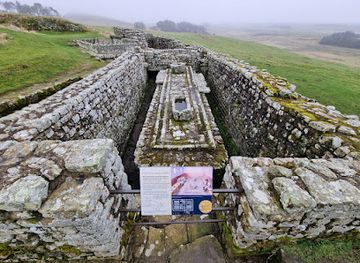
Housesteads Roman Fort - Vercovicium on Hadrian's Wall

Allen Banks and Staward Gorge: Northumberland's Ancient Woodland and Gorge Sanctuary
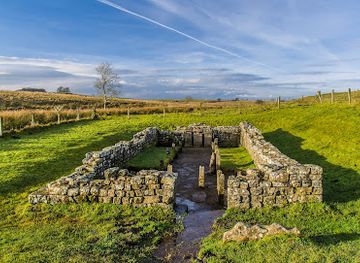
Temple of Mithras, Carrawburgh – A Roman Military Sanctuary on Hadrian's Wall
By Car
Driving from Hexham to Vindolanda takes approximately 20-30 minutes via the A69 and minor roads. Parking is available on site, but spaces can be limited during peak season. No parking fee applies.
By Bus
Seasonal bus service AD122 connects Hexham and Vindolanda, operating mainly from April to September. The journey takes around 40-50 minutes. Tickets cost approximately £5-£8 one way. Check timetable for exact schedules.
By Walking
For the adventurous, a scenic 7.7-mile walk along Hadrian’s Wall from the Roman Army Museum to Vindolanda takes about 3 hours over undulating terrain. Suitable for experienced walkers with sturdy footwear.
By Bicycle
Cycling along Hadrian’s Cycleway (National Cycle Route 72) offers a pleasant 1-hour ride from Bardon Mill to Vindolanda. The route is mostly off-road and suitable for intermediate cyclists.
 Restrooms
 Drink Options
 Food Options
 Seating Areas
 Information Boards
 Visitor Center
Catch the right light and the right mood, whether you want a bright city moment or a more cinematic evening visit.


Use Tower Bridge as your starting point for nearby food, family ideas, nightlife, and more local discoveries.
A quick look at seasonal patterns and peak visiting hours.

Explore expert travel guides, compare and book tours, experiences, hotels, and more—all from the palm of your hand. Download now for seamless trip planning wherever your wanderlust takes you.
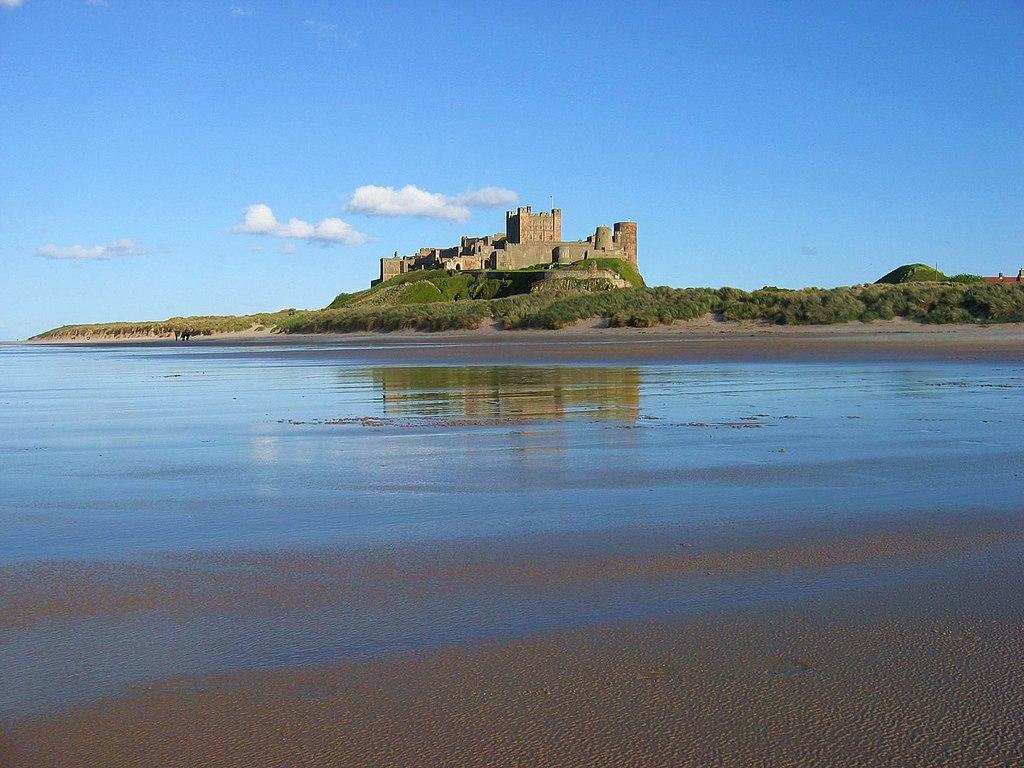
Discover Northumberland Coast: A blend of stunning beaches, ancient castles, and vibrant wildlife along the UK's picturesque coastline.
Tell me more about Northumberland Coast


