
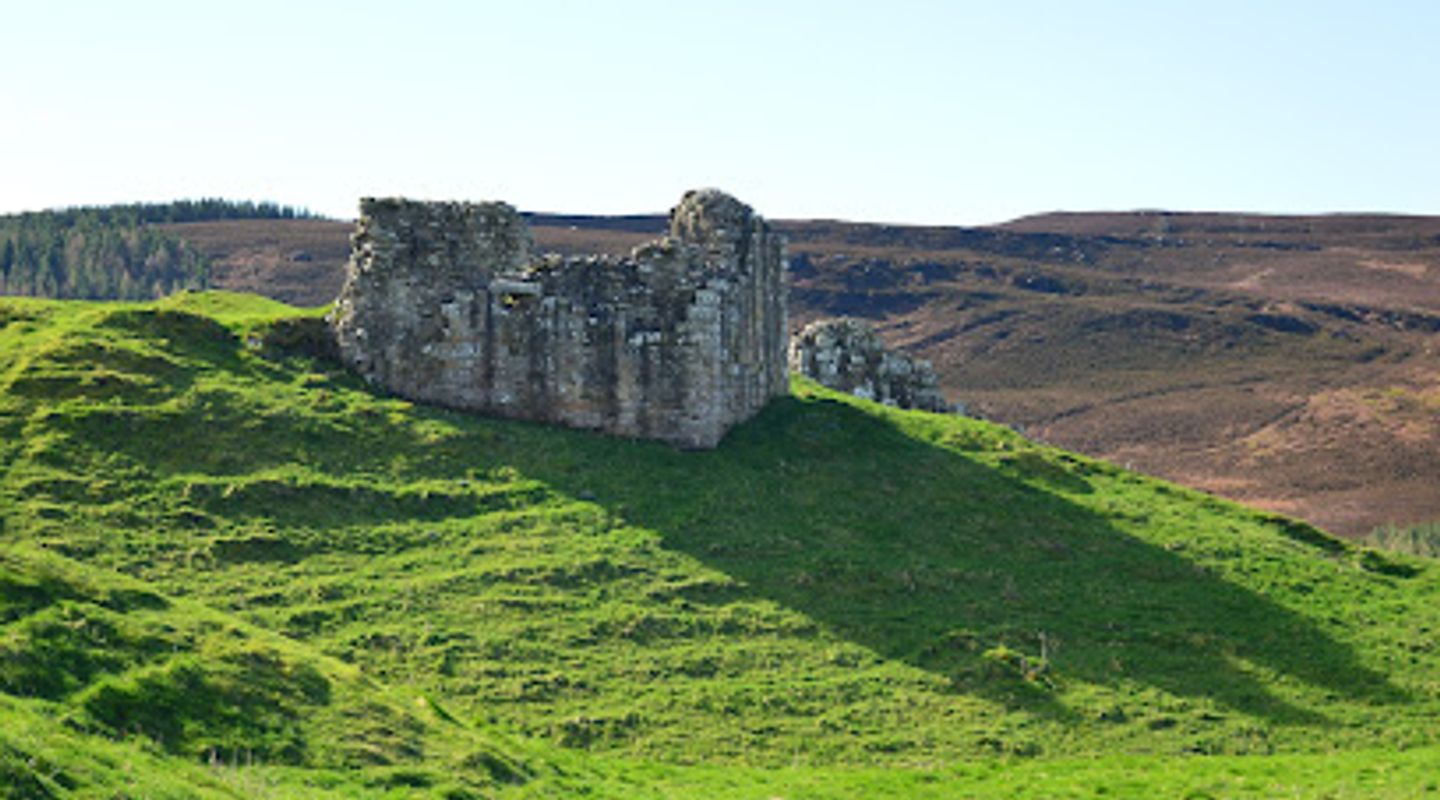
Harbottle Castle, Northumberland Travel Guide
Explore the evocative ruins of Harbottle Castle, a 12th-century fortress overlooking the serene River Coquet valley in Northumberland.
Harbottle Castle is a ruined 12th-century medieval castle located in the village of Harbottle, Northumberland, England. Built around 1160 by the Umfraville family at King Henry II's request, it served as a strategic defense against Scottish incursions. Today, visitors can explore its atmospheric earthworks and masonry ruins, enjoy tranquil surroundings, and take in scenic views of the River Coquet valley. Entry is free, making it a peaceful historical site for leisurely walks and exploration.
A brief summary to Harbottle Castle
- Morpeth, Harbottle, GB
- Duration: 0.5 to 2 hours
- Free
-
 Outdoor
- Mobile reception: 3 out of 5

Know before you go
Hi, I'm Eve. Here are a few practical things to know before exploring Harbottle Castle.
- Wear sturdy footwear as the terrain around the castle ruins includes uneven earthworks and grassy slopes.
- Visit during daylight hours to fully appreciate the panoramic views of the Coquet valley and surrounding countryside.
- Combine your visit with a walk to the nearby Drake Stone for a fuller experience of Harbottle’s historic landscape.
- Bring a picnic to enjoy in the peaceful surroundings, as there are no food facilities directly at the castle.
- Check weather conditions before visiting, as the site is fully outdoors and can be exposed to wind and rain.
Do you manage this location?
Take control to get all the benefits, like improved information, better appearance, and stronger visibility across AI-powered discovery. Learn more about listing your business on Evendo
Activate your presenceOther nearby places you may find interesting
The closest places of the same kind, if this one is not quite what you had in mind.

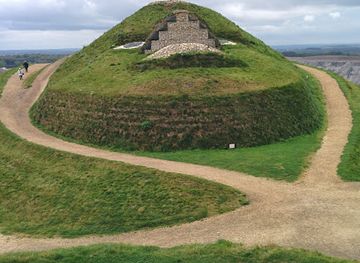
Explore Harbottle Castle on the Map
A handpicked selection of must-see spots near Harbottle Castle, mapped for you.
Getting There
-
Bus and Walk
Take the bus from Morpeth to Harbottle village, a journey of approximately 45 to 60 minutes. From the village center, it is a 15-minute walk on uneven terrain to the castle ruins. Bus services run several times daily but check schedules in advance. This option is cost-effective and eco-friendly.
-
Car
Driving from Morpeth to Harbottle Castle takes about 25 to 35 minutes via local roads. Limited parking is available near the village. Be prepared for a short uphill walk to the castle on grassy and uneven paths. There is no parking directly at the castle site.
-
Taxi
A taxi from Morpeth to Harbottle village typically takes 20 to 30 minutes and costs around £25-£35. This option offers convenience but requires advance booking. The final approach to the castle still involves a walk on uneven ground.
For the on-the-go comforts that matter to you
-
 Information Boards
-
 Seating Areas
-
 Trash Bins
Discover more about Harbottle Castle
Origins and Strategic Importance
Harbottle Castle was constructed circa 1160 by the powerful Umfraville family, commissioned by King Henry II to fortify the northern border against Scottish attacks. The site itself has an older history, with evidence suggesting an ancient Briton mound and an Anglian stronghold previously occupied by a local chieftain. The castle’s position overlooking the River Coquet valley provided a commanding view of key routes, making it a vital defensive and administrative center during medieval times.Medieval Conflicts and Architectural Evolution
Shortly after its initial construction, the castle was captured by Scots in 1174 and subsequently rebuilt stronger. It withstood a major siege in 1296 by Robert de Ros and a large force supporting John Balliol. The early 14th century saw Robert the Bruce capture it, followed by restoration efforts in 1336. However, by the mid-14th century, the castle fell into ruin again, only to be repaired towards the late 14th century. The castle’s layout included a motte-and-bailey design, with a kidney-shaped bailey later divided by a defensive wall. Surveys from the 16th century describe distinct sections: the Inner Ward, Outer Ward, and Barmkin.Later History and Decline
In the 15th century, Harbottle Castle passed into the hands of the Tailleboys family and served as the residence of the Warden of the Middle Marches, also functioning as a prison. It became royal property in 1546, with repairs overseen by Sir John Forster. Despite further building and maintenance in the mid-1500s, the castle gradually fell into decay after 1605 when King James I granted it to George Home, 1st Earl of Dunbar. Much of its stone was repurposed for other buildings, and by the early 18th century, the castle was largely ruinous.Present-Day Ruins and Surroundings
Today, only earthworks and some standing masonry remain, preserving the atmospheric ruins of this once formidable fortress. The site is managed by the Northumberland National Park Authority and is freely accessible. Visitors can enjoy peaceful walks around the castle ruins, with stunning views over the Coquet valley. Nearby, the village of Harbottle offers a quaint setting with traditional sandstone buildings and local amenities.Architectural Features and Archaeological Insights
The castle’s motte is approached from the west via a ramp, and the bailey was historically divided into multiple wards. Thick defensive walls, mural passages, and embrasures are evident in the remaining masonry, reflecting the castle’s military purpose. Archaeological surveys have revealed the castle’s timber and earthwork origins before stone construction, highlighting its evolution through centuries of conflict and repair.Visitor Experience and Cultural Significance
Harbottle Castle offers a quiet, evocative glimpse into England’s medieval border history. Its ruins inspire imagination and reflection on turbulent times when the Anglo-Scottish border was fiercely contested. The site’s free entry and tranquil setting make it ideal for history enthusiasts, photographers, and those seeking a scenic nature escape within Northumberland National Park.












Your all‑in‑one travel companion app
Explore expert travel guides, compare and book tours, experiences, hotels, and more—all from the palm of your hand. Download now for seamless trip planning wherever your wanderlust takes you.


Explore More of Northumberland
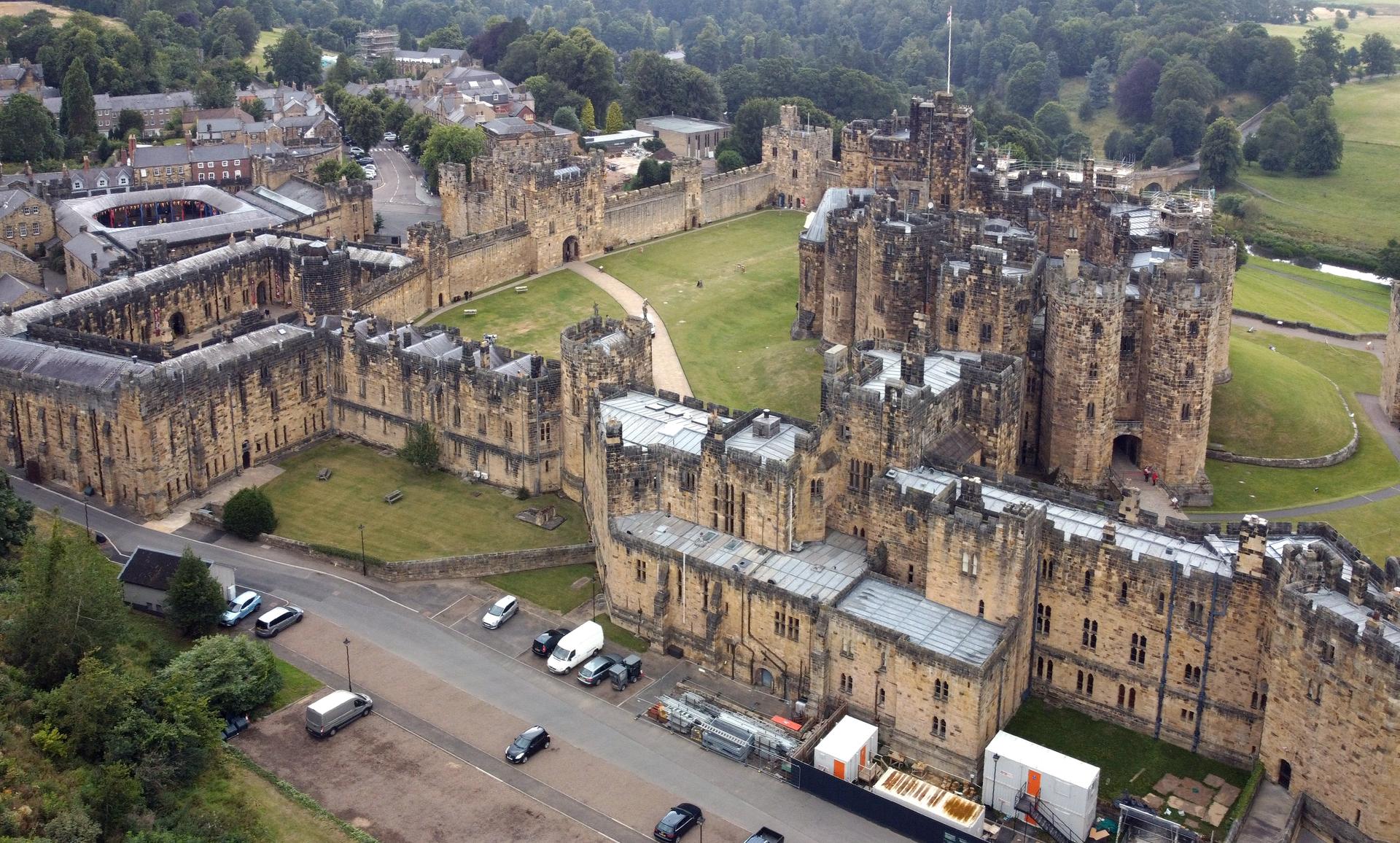
Looking beyond Harbottle Castle? Discover Northumberland for broader travel guides, local hot-spots, and regional highlights.
Explore Northumberland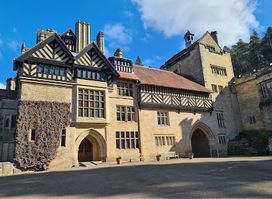
Discover Cragside, the Victorian inventor’s hydroelectric estate with grand gardens, woodland walks, and family adventures in Northumberland.

Explore Woodhouses Bastle, a fortified 17th-century farmhouse in Northumberland, embodying the resilience of border life and historic defense.
