Castell Dolforwyn Travel Guide
Free Guide: Explore the evocative ruins of Castell Dolforwyn, a bold 13th-century Welsh castle perched above the Severn Valley, symbolizing native defiance and stunning views.


A brief summary of Castell Dolforwyn
Explore the evocative ruins of Castell Dolforwyn, a bold 13th-century Welsh castle perched above the Severn Valley, symbolizing native defiance and stunning views.
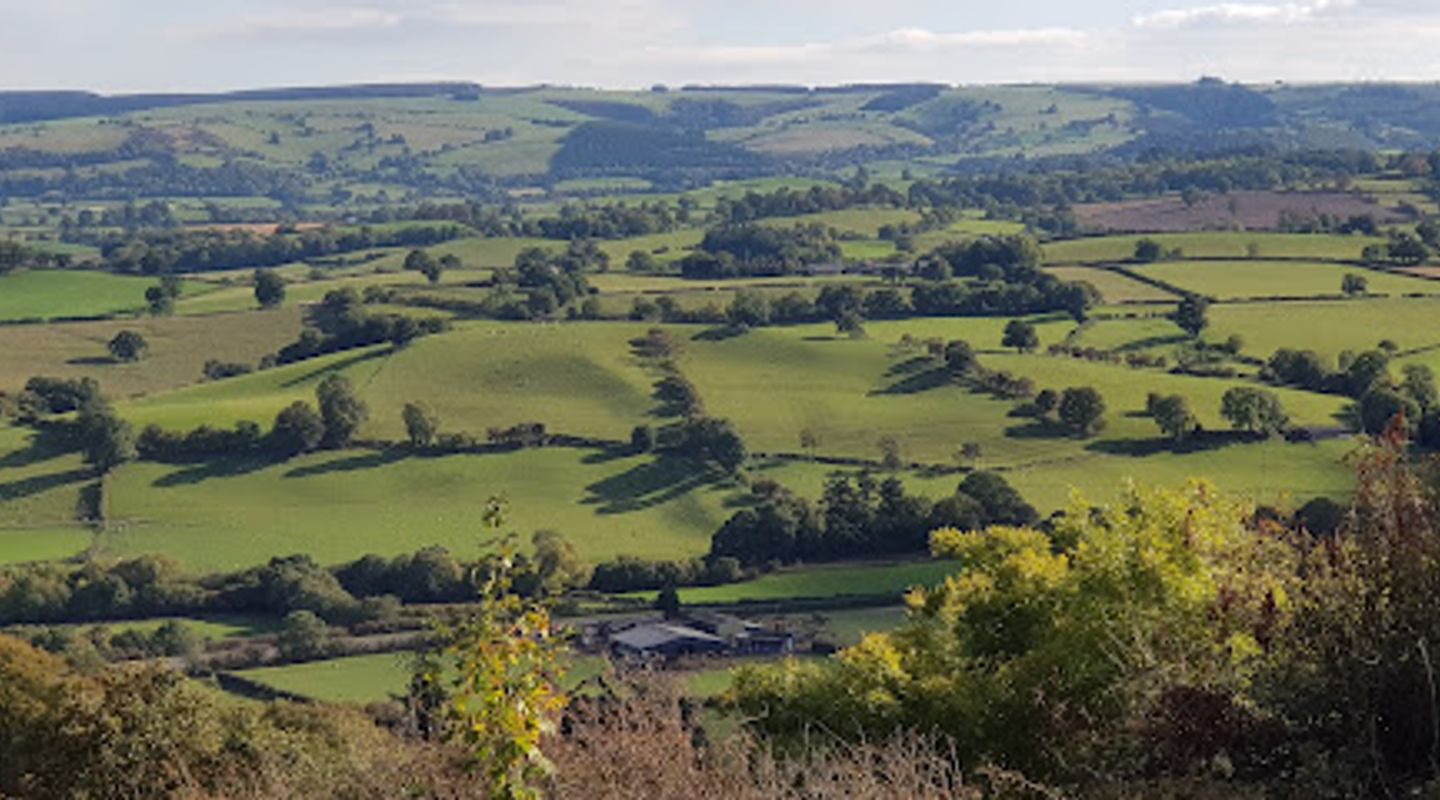
Perched dramatically on a wooded ridge overlooking the Severn Valley near Abermule, Castell Dolforwyn is a ruined 13th-century castle built by Llywelyn ap Gruffudd, the last native Prince of Wales. Constructed between 1273 and 1277 as a bold statement of Welsh sovereignty, it was captured after a brief siege by English forces. Today, visitors explore its evocative stone ruins, steep access paths, and enjoy sweeping panoramic views across the Welsh countryside.
On-site amenities
 Restrooms
 Seating areas
 Trash bins
 Information boards
Opening hours
- Every day10 am–4 pm
Opening hours as listed on the venue’s Google Business Profile. Hours can change for services and special events, so check with the venue before you go.
- Address
- Abermule, Montgomery SY15 6JJ
- Website
Getting there
Car
Train and Walk
Bicycle
Discover more about Castell Dolforwyn
A Monument of Welsh Defiance and Power
Castell Dolforwyn was erected between 1273 and 1277 by Llywelyn ap Gruffudd, known as Llywelyn the Last, to assert Welsh control over the Severn Valley and challenge English encroachment. This rectangular castle crowned a narrow ridge above the fertile valley, strategically placed just five miles from the English-held Montgomery Castle. Llywelyn’s construction defied King Edward I’s direct orders to halt building, marking a rare and bold assertion of Welsh independence during a turbulent era of Anglo-Welsh conflict.
Architecture Reflecting Native Welsh Design
Unlike the concentric castles favored by the Normans, Dolforwyn’s design follows native Welsh styles. The castle’s layout measures approximately 240 by 90 feet and features a rectangular keep, two D-shaped towers, and a circular tower added later by the English. A rock-cut ditch divides the castle internally and strengthens its defenses. Visitors can still discern worn steps carved into bedrock, the solid foundations of gatehouses, and remnants of domestic buildings, including a great hall with a central hearth.
The Siege and Fall of Dolforwyn
In 1277, before the castle was fully completed, English forces under Roger Mortimer besieged Dolforwyn. The Welsh garrison surrendered after two weeks, primarily due to the absence of a well, which led to a critical water shortage. After capture, the English made modifications, including digging a deep well to secure water supply. The castle then passed into Mortimer hands but gradually lost strategic importance and fell into ruin by the late 14th century.
Exploring the Ruins Today
Visitors today can access the castle via a steep 300-meter path from a small car park at the base of the hill. The climb takes about 15 to 20 minutes over uneven terrain, rewarding visitors with tranquil grounds and panoramic views stretching towards England. The site is dog-friendly and offers picnic spots amidst wildflowers and grasslands. Several information boards provide historical context and vivid reconstructions of the castle’s layout and the 1277 siege.
Historical Legacy and Cultural Significance
Dolforwyn stands as a poignant symbol of Welsh resistance and Llywelyn’s determination to maintain sovereignty. It represents the last major native Welsh castle built before the full conquest by Edward I. Although the castle and its associated Welsh town were suppressed following English occupation, Dolforwyn’s ruins continue to evoke the story of a proud, defiant era in Welsh history.
Conservation and Visitor Information
The castle is managed by Cadw and is open year-round during daylight hours, free of charge. Facilities are minimal, with no toilets or refreshments on site, and mobile reception is weak to nonexistent. Visitors are advised to wear sturdy footwear and be prepared for a physically demanding climb. The site’s natural environment is protected, with wild plants that should not be touched. Safety precautions are in place due to uneven stonework and the risk of falling debris in poor weather.
Evendo Review Centre
 Google
Guest reviews
Best time to go
Quietest: Jan, Feb & Dec · before 6am or at 8pm
Busy times are Evendo estimates for a typical year, to help you plan. Actual crowds vary with events, school holidays and the weather.
Explore Castell Dolforwyn on the map
A handpicked selection of must-see spots near Castell Dolforwyn, mapped for you.
Get your free copy of our complete guide to Castell Dolforwyn, delivered straight to you.
Everything on this page, from opening hours and how to get there to Eve’s tips and the best time to go, in one PDF you can read offline, print or share.
Already have an account? Sign in
Your Castell Dolforwyn guide is ready.
We'll send it to · Not you? Sign out

Getting your guide ready…
We are putting together a fresh copy of the Castell Dolforwyn guide. This can take up to a minute.
This can take a few moments. If your browser asks, choose Allow so the download can start. You'll find the guide in your Downloads folder.
Nothing happened? Download it again
Sorry, the guide is taking longer than usual. Please try again in a minute, or get it by email instead.
Other nearby places you may find interesting
The closest places of the same kind, if this one is not quite what you had in mind.
-
-
-
-
-


Swipe for more places
More to explore near Castell Dolforwyn

 Best experiences near Castell Dolforwyn
 Best hotels near Castell Dolforwyn
 Best landmarks near Castell Dolforwyn
 Best attractions near Castell Dolforwyn
 Best shops near Castell Dolforwyn
 Best restaurants near Castell Dolforwyn
 Best bars near Castell Dolforwyn
Do you manage this location?
Take control to get all the benefits, like improved information, better appearance, and stronger visibility across AI-powered discovery.
Explore more

Explore more of Powys
Discover Powys, Wales: A perfect blend of breathtaking landscapes, rich history, and vibrant culture, offering a unique and unforgettable travel experience.
Explore Powys
Explore more of United Kingdom
Discover the United Kingdom: A blend of rich history, stunning landscapes, and vibrant cities, offering a unique travel experience for every visitor.
Explore United Kingdom