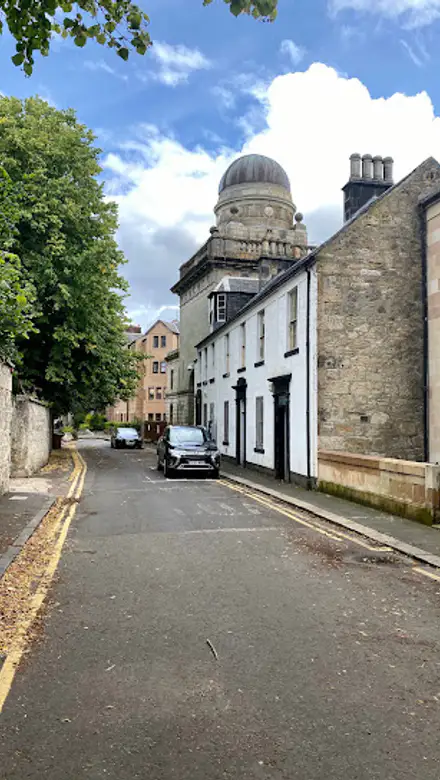
Coats Observatory Travel Guide
Free Guide: Discover Scotland’s oldest public observatory, a Victorian scientific gem undergoing transformation to inspire stargazers and history lovers alike.


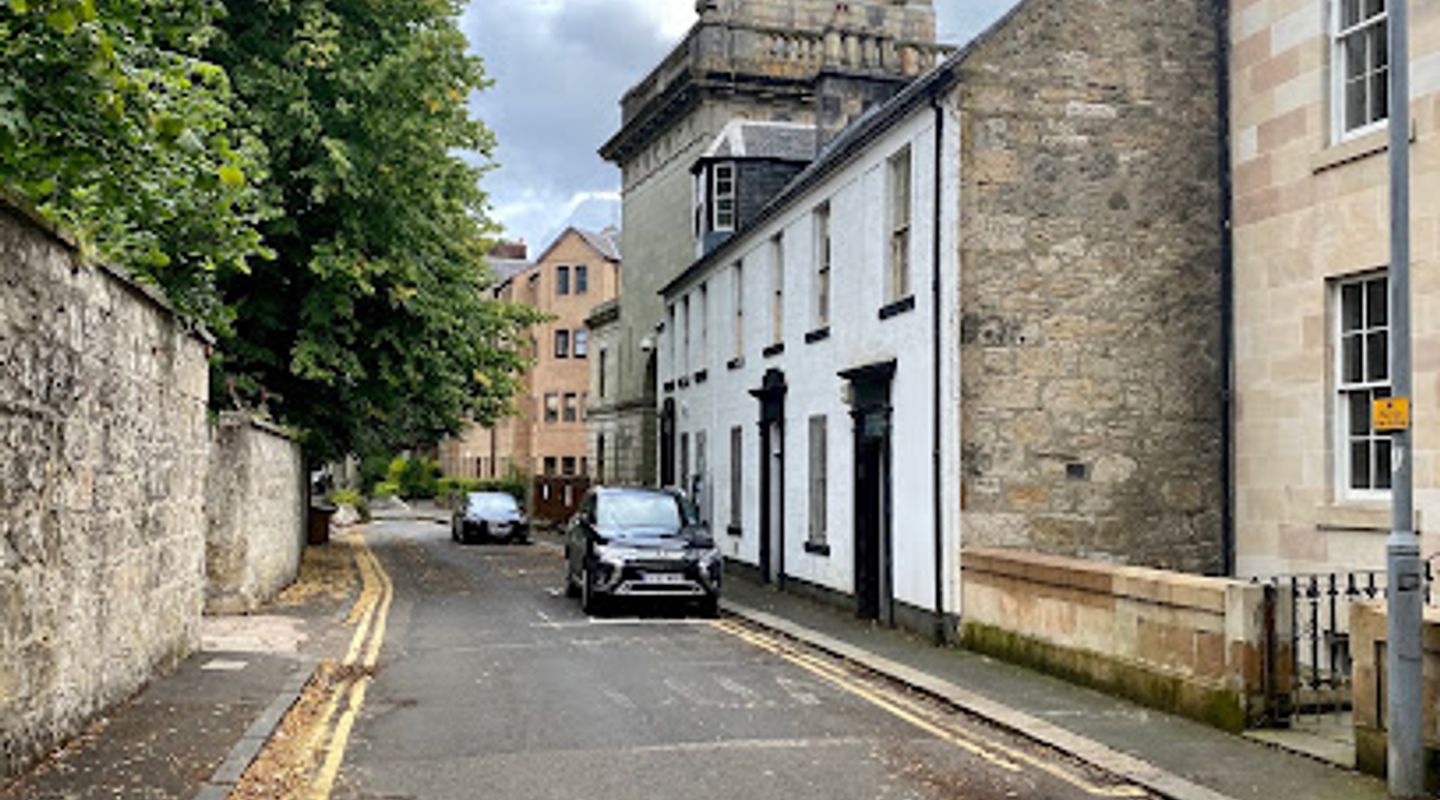
A brief summary of Coats Observatory
Discover Scotland’s oldest public observatory, a Victorian scientific gem undergoing transformation to inspire stargazers and history lovers alike.
Coats Observatory in Paisley, opened in 1883, is Scotland’s oldest public observatory, famed for its historic Victorian telescopes and planetarium. Currently closed for a major refurbishment as part of the Paisley Museum Reimagined project, it promises an enhanced visitor experience with interactive exhibits and stunning 360-degree views upon reopening. The observatory offers a unique glimpse into astronomy and Paisley’s scientific heritage, set within an architecturally significant building gifted by Thomas Coats.
On-site amenities
 Restrooms
 Drink options
 Food options
 Seating areas
 Information boards
 Visitor centre
- Address
- 49 Oakshaw St W, Paisley PA1 2DE
- Phone
- Website
Getting there
Train and Bus
Car
Taxi or Rideshare
Discover more about Coats Observatory
A Victorian Legacy in the Heart of Paisley
Coats Observatory stands as a remarkable testament to Victorian scientific ambition and philanthropy. Established in 1883 through the generosity of Thomas Coats, a member of the renowned Coats thread manufacturing family, the observatory was designed by architect John Honeyman. It was purpose-built on one of Paisley’s highest points, providing an uninterrupted 360-degree panorama of the town and sky. The observatory was equipped with some of the finest scientific instruments of its time, including a large 4-ton telescope and a smaller transit telescope used for precise timekeeping by tracking star passages.
Scientific Instruments and Innovations
The observatory’s collection includes two main Victorian telescopes that remain operational today, reflecting the craftsmanship and engineering excellence of the era. Beyond astronomy, Coats Observatory historically housed weather recording equipment and seismometers, showcasing its role as a hub for multiple scientific disciplines. The transit house, a smaller building adjacent to the main tower, was essential for setting accurate clocks based on stellar movements, a critical function before modern timekeeping technologies.
The Evolution and Community Role
Since its opening, Coats Observatory has been a public institution, welcoming visitors to explore the cosmos. Initially managed by the Paisley Philosophical Institution, it later came under the Town Council’s care in 1963. Over the decades, it has served both educational and recreational purposes, hosting public viewing nights and planetarium shows. The observatory’s free admission policy and knowledgeable staff have made it a beloved local treasure. However, accessibility is limited by the absence of lift access, requiring visitors to climb stairs to reach the telescope dome.
Current Transformation and Future Vision
Presently closed for a significant refurbishment as part of the £45 million Paisley Museum Reimagined project, Coats Observatory is undergoing a two-year redevelopment to modernize its facilities and exhibits. This transformation aims to integrate interactive digital content and expand the display of its extensive science collection, enhancing educational outreach and visitor engagement. Scheduled to reopen in late 2025, the observatory will continue to offer public stargazing events, allowing visitors to marvel at the night sky through historic yet fully functional telescopes.
Architectural and Cultural Significance
The observatory’s architecture reflects late 19th-century design principles, harmonizing with the adjacent museum and library complex. Its elevated position and distinctive dome make it a landmark in Paisley’s urban landscape. Beyond its scientific importance, Coats Observatory embodies the cultural heritage of Paisley, linking the town’s industrial past with its contributions to science and education. The observatory is a symbol of community pride and a gateway to the wonders of astronomy.
Visitor Experience and Accessibility Considerations
Visitors to Coats Observatory can expect an immersive experience combining historical artifacts with modern interpretive technology upon reopening. While the site is wheelchair inaccessible due to stair-only access to the dome, the museum complex provides additional context and amenities. The observatory’s free admission policy encourages broad public engagement, making it an ideal destination for families, students, and astronomy enthusiasts alike. Its location within Paisley offers scenic views and a peaceful atmosphere for reflection and discovery.
Evendo Review Centre
 Google
Guest reviews
Best time to go
Quietest: Jan, Feb & Dec · before 8am or from 11pm
Busy times are Evendo estimates for a typical year, to help you plan. Actual crowds vary with events, school holidays and the weather.
Explore Coats Observatory on the map
A handpicked selection of must-see spots near Coats Observatory, mapped for you.
Get your free copy of our complete guide to Coats Observatory, delivered straight to you.
Everything on this page, from opening hours and how to get there to Eve’s tips and the best time to go, in one PDF you can read offline, print or share.
Already have an account? Sign in
Your Coats Observatory guide is ready.
We'll send it to · Not you? Sign out

Getting your guide ready…
We are putting together a fresh copy of the Coats Observatory guide. This can take up to a minute.
This can take a few moments. If your browser asks, choose Allow so the download can start. You'll find the guide in your Downloads folder.
Nothing happened? Download it again
Sorry, the guide is taking longer than usual. Please try again in a minute, or get it by email instead.
Other nearby places you may find interesting
The closest places of the same kind, if this one is not quite what you had in mind.
-
-
-
-
-


Swipe for more places
More to explore near Coats Observatory

 Best experiences near Coats Observatory
 Best hotels near Coats Observatory
 Best landmarks near Coats Observatory
 Best attractions near Coats Observatory
 Best shops near Coats Observatory
 Best restaurants near Coats Observatory
 Best bars near Coats Observatory
Do you manage this location?
Take control to get all the benefits, like improved information, better appearance, and stronger visibility across AI-powered discovery.
Explore more

Explore more of Renfrewshire
Discover Renfrewshire: Scotland's blend of history, culture, and natural beauty, from ancient abbeys to scenic parks.
Explore Renfrewshire
Explore more of United Kingdom
Discover the United Kingdom: A blend of rich history, stunning landscapes, and vibrant cities, offering a unique travel experience for every visitor.
Explore United Kingdom