

Duncansby Head Lighthouse, Scottish Highlands Travel Guide
Scotland’s most north-easterly lighthouse, perched on cliffs with panoramic sea views and iconic Duncansby Stacks nearby.
Duncansby Head Lighthouse stands at the most north-easterly point of the British mainland near Wick, Scotland. Built in 1924 by David Alan Stevenson, this distinctive square tower rises 11 meters atop cliffs 67 meters above sea level, projecting its light 21 nautical miles out to sea. The site offers dramatic coastal views, wildlife spotting, and access to the striking Duncansby Stacks sea formations, making it a captivating destination for nature lovers and history enthusiasts.
A brief summary to Duncansby Head Lighthouse
- Wick, KW1 4YS, GB
- Click to display
- Duration: 1 to 3 hours
- Free
-
 Outdoor
- Mobile reception: 4 out of 5

Know before you go
Hi, I'm Eve. Here are a few practical things to know before exploring Duncansby Head Lighthouse.
- Visit during daylight for safe walking and the best views of the Duncansby Stacks and wildlife.
- Bring binoculars to spot puffins, seals, and passing marine vessels across the Pentland Firth.
- Wear sturdy footwear for walking on uneven cliff paths and boardwalks.
- Combine your visit with nearby John O’Groats or Wick for dining and accommodation options.
Do you manage this location?
Take control to get all the benefits, like improved information, better appearance, and stronger visibility across AI-powered discovery. Learn more about listing your business on Evendo
Activate your presenceOther nearby places you may find interesting
The closest places of the same kind, if this one is not quite what you had in mind.



Explore Duncansby Head Lighthouse on the Map
A handpicked selection of must-see spots near Duncansby Head Lighthouse, mapped for you.
Unlock the Best of Duncansby Head Lighthouse
Buy tickets
-
No tickets available
Book tours with entry


Book tours without entry
-
No tours available
Getting There
-
Car
Drive from Wick to Duncansby Head via the A99 and B876, a journey of approximately 25 minutes (20 miles). Free parking is available at the lighthouse car park. The single-track roads require cautious driving, especially in poor weather.
-
Bus
Take a Stagecoach bus from Wick to John O’Groats, then a local taxi or arranged shuttle for the 3-mile trip to Duncansby Head. Bus services run several times daily with fares around £5-£10; taxi fares vary.
-
Walking
From John O’Groats, a coastal walk of about 6 km (3.7 miles) leads to Duncansby Head along mostly flat terrain with some uneven cliff paths. The walk takes approximately 1.5 to 2 hours one way and is suitable for experienced walkers with good footwear.
For the on-the-go comforts that matter to you
-
 Restrooms
-
 Seating Areas
-
 Trash Bins
-
 Information Boards
-
 Parking
Discover more about Duncansby Head Lighthouse
Historic Beacon on Scotland’s Edge
Duncansby Head Lighthouse, constructed in 1924 by renowned engineer David Alan Stevenson, marks the most north-easterly point of the British mainland. Its square concrete tower, painted white with a black lantern and ochre balcony, is unique among Stevenson lighthouses. Positioned on cliffs 67 meters above sea level, the 11-meter tower’s light flashes white every 12 seconds and can be seen 21 nautical miles out to sea. The lighthouse was automated in 1997 and is now remotely monitored, with no public access to the tower itself.Natural Drama and Coastal Geology
The lighthouse overlooks the Pentland Firth and the North Sea, offering panoramic vistas north to the Orkney Islands and across Caithness and Sutherland. Below the cliffs lie the Duncansby Stacks—imposing sea stacks rising about 60 meters, shaped by millennia of erosion. Visitors can admire these natural stone ‘fangs’ and the Thirle Door, a rocky arch still attached to the cliffs. The rugged coastline is a haven for seabirds including puffins (April to July), and grey seals often peek from the waters below.Maritime Legacy and Local Stories
The area’s maritime history is poignant; in 1959, a tragic shipwreck of the Aberdeen trawler George Robb near Duncansby claimed 13 lives, including a coastguard. During World War II, the lighthouse was machine-gunned by a German bomber but remained intact. The site once hosted a fog signal established in 1914, replaced by a permanent one post-war, now commemorated by a restored fog horn memorial at nearby John O’Groats.Visitor Experience and Surrounding Attractions
Visitors often start at the free car park beside the lighthouse, then take a scenic 15-minute walk around the headland along wooden boardwalks and cliff paths. The walk offers spectacular photo opportunities of the lighthouse, sea stacks, and wildlife. The coastal path extends toward the northeastern tip, though the very tip is inaccessible. Nearby John O’Groats and Wick provide accommodations and amenities, making Duncansby Head a perfect day trip or part of a broader exploration of Scotland’s northern coast.Environmental Significance and Conservation
Duncansby Head and its surrounding coastline form a Site of Special Scientific Interest, protecting its unique geology and wildlife habitats. The tidal streams of the Pentland Firth create dynamic marine conditions known locally as ‘Hells Mouth,’ contributing to the area’s rich biodiversity. Conservation efforts ensure the delicate balance between visitor access and habitat preservation.Centennial Milestone and Community Engagement
In 2024, Duncansby Head Lighthouse celebrated 100 years of operation with community events honoring its enduring role in maritime safety and local heritage. The lighthouse remains a symbol of Scotland’s coastal resilience and a beacon for visitors drawn to its dramatic setting and storied past.More to explore near Duncansby Head Lighthouse













Your all‑in‑one travel companion app
Explore expert travel guides, compare and book tours, experiences, hotels, and more—all from the palm of your hand. Download now for seamless trip planning wherever your wanderlust takes you.


Explore More of Scottish Highlands
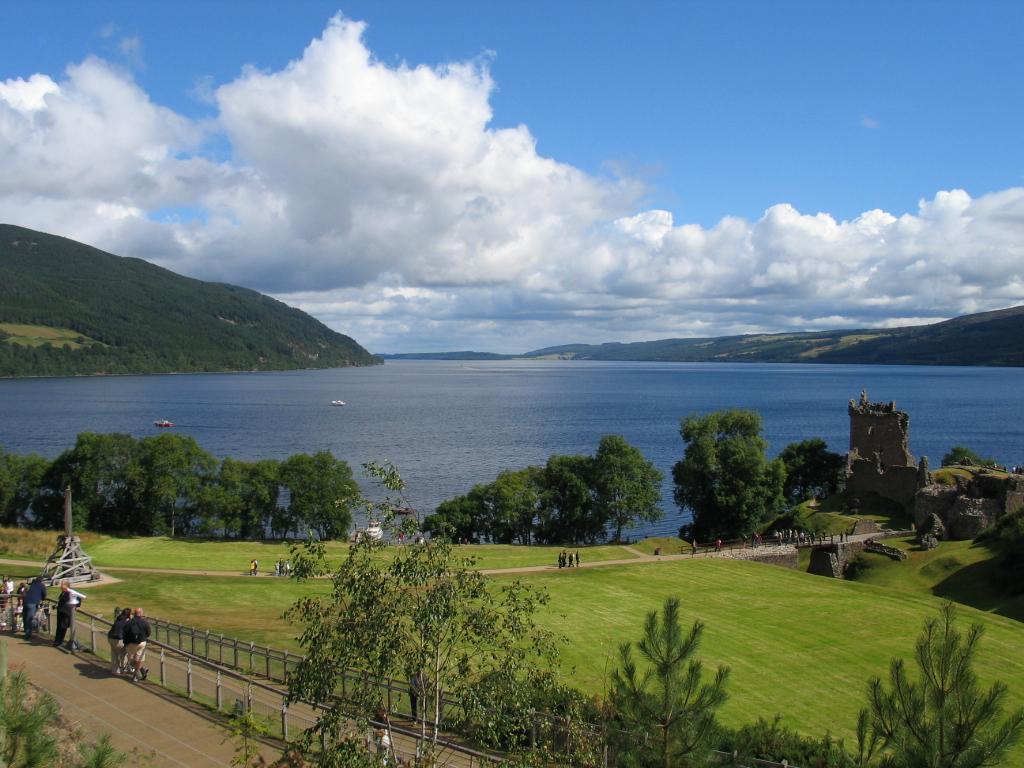
Looking beyond Duncansby Head Lighthouse? Discover Scottish Highlands for broader travel guides, local hot-spots, and regional highlights.
Explore Scottish Highlands
Step back in time at Mary Ann's Cottage, a perfectly preserved 19th-century Highland croft offering authentic cultural heritage and coastal charm.
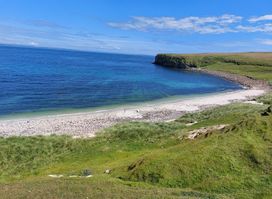
Discover the wild beauty and tranquil shores of the Bay of Sannick, a serene coastal escape near iconic John o' Groats in Scotland's far north.
