

Melrose Abbey, Scottish Highlands Travel Guide
Explore the hauntingly beautiful ruins of Melrose Abbey, home to medieval artistry and the resting place of Robert the Bruce’s heart.
Melrose Abbey, founded in 1136 by King David I, is a grand Cistercian monastery ruin located in the Scottish Borders town of Melrose. Renowned for its exquisite Gothic architecture, intricate stone carvings, and its connection to Robert the Bruce’s heart, the abbey offers visitors a hauntingly beautiful glimpse into Scotland’s medieval heritage. The grounds, cloister, and museum remain open, though the abbey interior is currently closed for masonry conservation.
A brief summary to Melrose Abbey
- Abbey St, Melrose, TD6 9LG, GB
- Click to display
- Click to display
- Duration: 1 to 3 hours
- Mid ranged
-
 Outdoor
- Mobile reception: 4 out of 5
- Monday 9:30 am-5 pm
- Tuesday 9:30 am-5 pm
- Wednesday 9:30 am-5 pm
- Thursday 9:30 am-5 pm
- Friday 9:30 am-5 pm
- Saturday 9:30 am-5 pm
- Sunday 9:30 am-5 pm

Know before you go
Hi, I'm Eve. Here are a few practical things to know before exploring Melrose Abbey.
- Visit the Commendator’s House Museum on site to see medieval artifacts excavated from the abbey grounds.
- Look out for the quirky stone carving of a pig playing bagpipes—a unique and memorable detail.
- Use the audio guide included with your ticket for a richer understanding of the abbey’s history and architecture.
- Check accessibility updates before visiting, as the main accessible route is currently closed due to masonry inspections.
- Consider purchasing an Explorer Pass if you plan to visit multiple Historic Environment Scotland sites.
Do you manage this location?
Take control to get all the benefits, like improved information, better appearance, and stronger visibility across AI-powered discovery. Learn more about listing your business on Evendo
Activate your presenceOther nearby places you may find interesting
The closest places of the same kind, if this one is not quite what you had in mind.




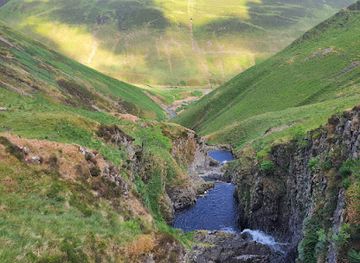
Explore Melrose Abbey on the Map
A handpicked selection of must-see spots near Melrose Abbey, mapped for you.
Unlock the Best of Melrose Abbey
Buy tickets
-
No tickets available
Book tours with entry


Getting There
-
Bus
Take the Borders Buses service from Edinburgh to Melrose, which takes approximately 1 hour 30 minutes. The bus stops near the town centre, about a 10-minute walk to Melrose Abbey. Services run regularly but check schedules for weekend frequency. Tickets cost around £8-£12 one way.
-
Car
Driving from Edinburgh to Melrose Abbey takes about 1 hour 15 minutes via the A68. Parking is available opposite the abbey with pay-and-display charges of approximately 50p for 2 hours. Note that parking accepts coins only.
-
Train and Taxi
Take a train from Edinburgh Waverley to Tweedbank (about 55 minutes), then a local taxi for the 5-minute journey to Melrose Abbey. Taxi fares typically range from £7 to £12. This option offers a scenic route with limited walking.
For the on-the-go comforts that matter to you
-
 Restrooms
-
 Drink Options
-
 Food Options
-
 Seating Areas
-
 Picnic Areas
-
 Trash Bins
-
 Information Boards
-
 Visitor Center
Discover more about Melrose Abbey
Origins and Historical Significance
Founded in 1136 by King David I, Melrose Abbey was Scotland’s first Cistercian monastery and quickly became one of the wealthiest and most important religious sites in the Borders region. Its strategic location near the Anglo-Scottish border meant it endured numerous attacks, including a major destruction by Richard II’s English army in 1385. Rebuilt in the early 15th century, the surviving Gothic architecture reflects the skill and artistry of medieval masons, making the abbey one of Scotland’s finest examples of ecclesiastical design.Architectural Splendor and Artistic Details
The abbey’s ruins reveal soaring arches, elaborate windows, and finely carved stonework, including unusual sculptures such as the famed bagpipe-playing pig gargoyle. The east end of the abbey is particularly notable for its graceful design and the way light filters through its large windows, creating a serene atmosphere. The Chapter House, once the meeting place for monks, features intricate carvings that narrate the abbey’s rich past.Robert the Bruce’s Heart and Cultural Legacy
Melrose Abbey holds a unique place in Scottish history as the burial site of King Robert the Bruce’s heart. After his death, Bruce’s heart was embalmed and carried to the Holy Land by Sir James Douglas but ultimately returned to Melrose for burial, marked by a commemorative stone plaque. This poignant connection adds a layer of mystique and reverence to the abbey grounds.Visitor Experience and Conservation Efforts
While the abbey church interior is currently closed for high-level masonry inspections and conservation work, visitors can explore the abbey grounds, cloister, and museum, which houses artifacts uncovered during excavations. Informative audio guides and daily talks enrich the visit, offering insights into the abbey’s history and architectural features. The grounds are accessible via an alternative route suitable for visitors with limited mobility, though the main accessible entrance is temporarily closed.Setting and Atmosphere
Nestled in the charming town of Melrose, the abbey’s ruins are set against the backdrop of the Eildon Hills, offering scenic views and a tranquil ambiance. The interplay of light and shadow on the pink-hued stonework creates a captivating visual experience, especially for photographers. The site combines historical grandeur with a peaceful environment, inviting reflection and discovery.Practical Information and Amenities
Melrose Abbey is open daily from April to September, 9:30 am to 5 pm, with reduced hours during the rest of the year. Admission prices are currently reduced due to conservation work, with concessions available. Facilities include restrooms, a gift shop, picnic areas, and nearby cafes in Melrose town. Parking is available opposite the abbey with a pay-and-display system. Visitors are advised to check for any short-notice closures due to weather or maintenance.












Your all‑in‑one travel companion app
Explore expert travel guides, compare and book tours, experiences, hotels, and more—all from the palm of your hand. Download now for seamless trip planning wherever your wanderlust takes you.


Explore More of Scottish Highlands
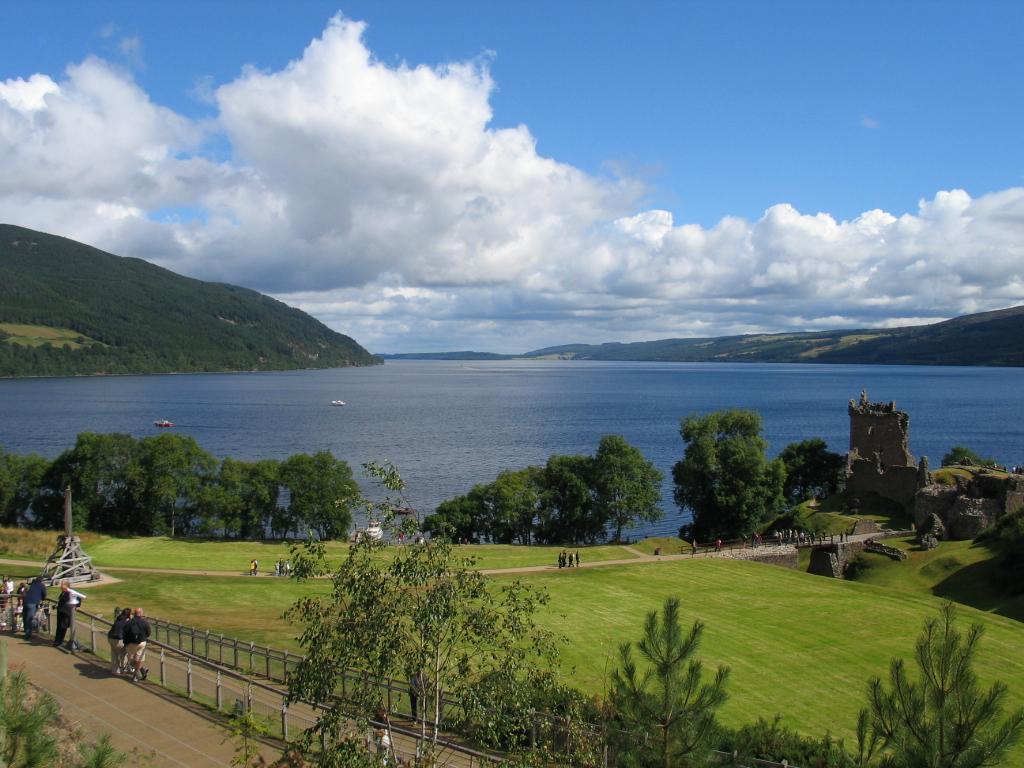
Looking beyond Melrose Abbey? Discover Scottish Highlands for broader travel guides, local hot-spots, and regional highlights.
Explore Scottish Highlands
Explore the serene Gothic ruins of Dryburgh Abbey, a historic sanctuary by the River Tweed and the resting place of Sir Walter Scott.
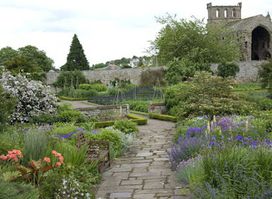
Discover tranquility and historic charm in Melrose’s walled Harmony Garden, with stunning views of the Abbey and seasonal floral displays.
