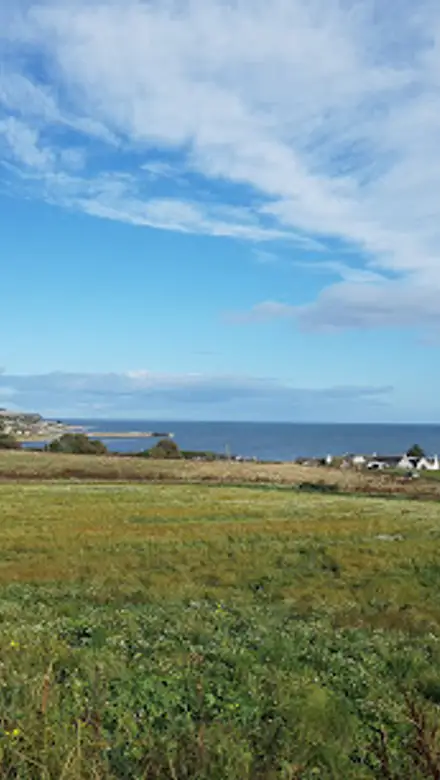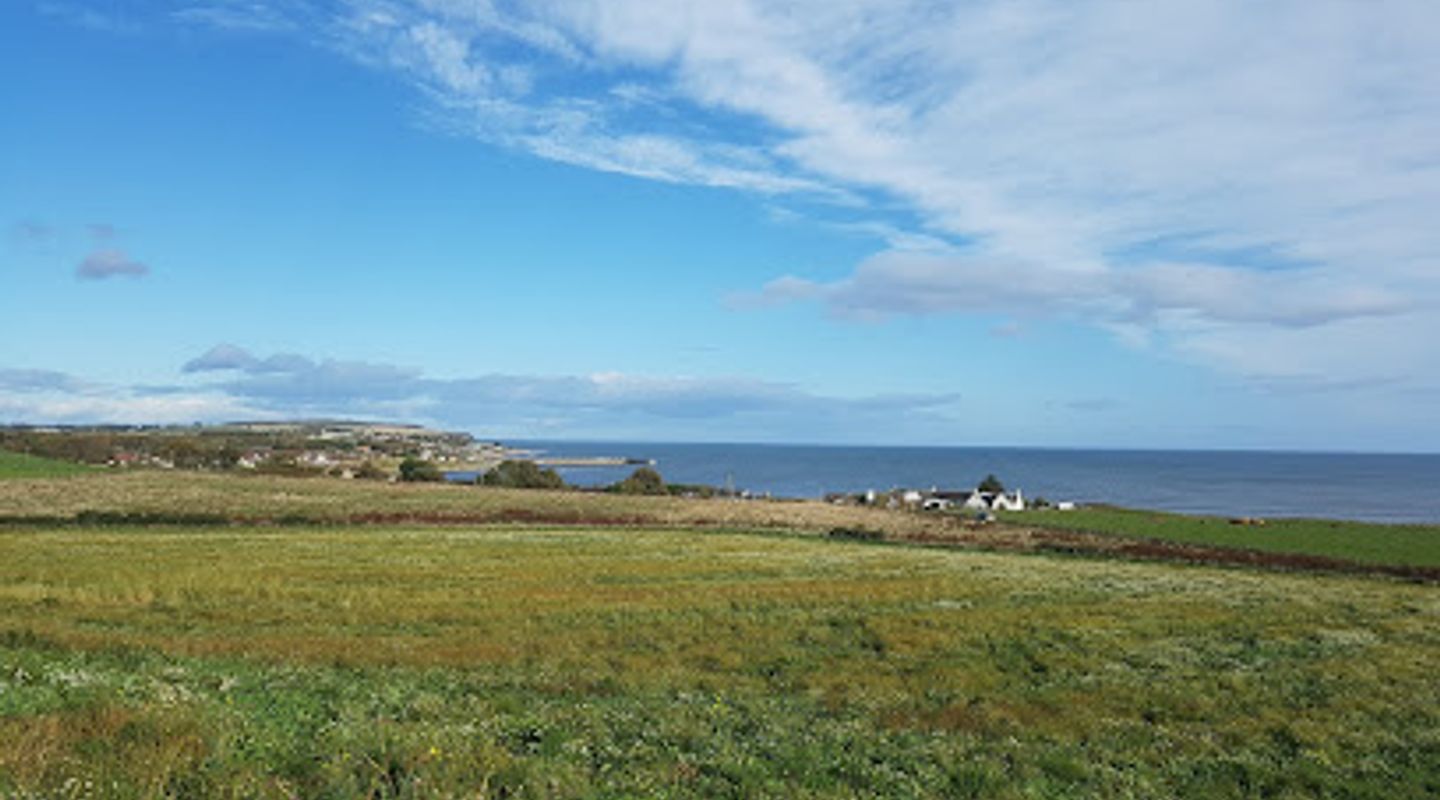
Shandwick Stone, Scottish Highlands Travel Guide
Discover the Shandwick Stone, a towering Pictish cross-slab near Tain, Scotland, showcasing intricate carvings and ancient Christian artistry.
The Shandwick Stone, also known as Clach a' Charaidh, is a remarkable Class II Pictish cross-slab standing around three metres tall near Tain, Scotland. Dating from circa 780 AD, it features intricate carvings of Christian crosses, biblical scenes, and Pictish symbols, reflecting the rich cultural and religious heritage of the Tarbat Peninsula. Situated on its original site overlooking the Moray Firth, the stone is a key highlight of the Highland Pictish Trail and a testament to early medieval artistry.
A brief summary to Shandwick Stone
- Tain, GB
- Click to display
- Duration: 0.5 to 1.5 hours
- Free
-
 Outdoor
- Mobile reception: 4 out of 5

Know before you go
Hi, I'm Eve. Here are a few practical things to know before exploring Shandwick Stone.
- Visit during daylight hours to fully appreciate the intricate carvings and panoramic views of the Moray Firth.
- Wear sturdy footwear as access involves walking over cobbled paths and a stile; the site is not wheelchair accessible.
- Combine your visit with other Pictish stones on the Highland Pictish Trail, such as the Nigg Stone and Hilton of Cadboll Stone.
- Use the nearby Seaboard Centre for amenities including restrooms and refreshments.
Do you manage this location?
Take control to get all the benefits, like improved information, better appearance, and stronger visibility across AI-powered discovery. Learn more about listing your business on Evendo
Activate your presenceOther nearby places you may find interesting
The closest places of the same kind, if this one is not quite what you had in mind.




Explore Shandwick Stone on the Map
A handpicked selection of must-see spots near Shandwick Stone, mapped for you.
Unlock the Best of Shandwick Stone
Buy tickets
-
No tickets available
Book tours with entry

Book tours without entry

Getting There
-
Car
Driving from Tain town centre takes approximately 20–25 minutes via local roads. Informal roadside parking is available near the site, but spaces are limited. No parking fees apply.
-
Bus and Walk
Take a regional bus service from Tain to the village of Shandwick, a journey of around 30–40 minutes depending on schedule. From Shandwick, it is a 15-minute walk over uneven terrain to the stone. Suitable for moderately fit walkers.
-
Ferry and Car
During the summer season, the Cromarty Ferry connects the Black Isle to the Easter Ross peninsula. Using the ferry reduces driving time and offers scenic views. From the ferry terminal, the Shandwick Stone is a 15–20 minute drive.
For the on-the-go comforts that matter to you
-
 Restrooms
-
 Drink Options
-
 Food Options
-
 Seating Areas
-
 Information Boards
Discover more about Shandwick Stone
Origins and Historical Significance
The Shandwick Stone, locally known by its Gaelic name Clach a' Charaidh meaning 'stone of the grave plots,' dates back to approximately 780 AD. It is a Class II Pictish stone, distinguished by its shaped rectangular form and relief carvings that combine Christian iconography with traditional Pictish symbols. The stone was first recorded in written history in 1776 but has stood on its original hilltop site near the village of Shandwick for well over a millennium. The site was historically a burial ground, last used during a cholera epidemic in 1832, underscoring its longstanding cultural importance.Artistic Features and Symbolism
Rising about nine feet tall, the Shandwick Stone is celebrated for its exquisite craftsmanship. One face displays a large intricately interlaced cross adorned with spirals, angels, animals, and biblical motifs, reflecting the Picts’ adoption of Christianity and their artistic links to other early medieval cultures such as those of Lindisfarne and Iona. The reverse side presents five carved panels depicting a variety of scenes including Pictish beasts, hunting scenes, and duelling swordsmen, alongside complex interlace and spiral patterns. These carvings are considered some of the most sophisticated surviving examples of Pictish stone art.Context within the Pictish Landscape
The Shandwick Stone is part of a trio of significant Pictish stones on the Tarbat Peninsula, alongside the Nigg Stone and the Hilton of Cadboll Stone. Together, they highlight the peninsula’s role as a major religious and cultural centre during Pictish times. The stones’ designs suggest connections to wider Christian and Celtic art traditions, and they may have served multiple functions including territorial markers, memorials, or symbols of alliances between Pictish clans.Conservation and Visitor Experience
In the late 20th century, the Shandwick Stone underwent careful restoration and conservation, culminating in its return to the site in 1989 within a protective glass shelter to shield it from weathering. Visitors today can view the stone up close, appreciating both its artistic detail and the panoramic views of the Moray Firth it commands. Although there is no wheelchair access due to the cobbled path and stile, the site is accessible via a short walk from informal roadside parking nearby. Amenities including public toilets and visitor information are available at the nearby Seaboard Centre.Legends and Cultural Legacy
Local lore associates the stone and surrounding burial ground with ancient Nordic princes who perished in the Moray Firth, weaving a rich tapestry of myth alongside historical fact. The Shandwick Stone continues to inspire artists and historians alike, standing as a powerful symbol of Scotland’s early medieval heritage and the enduring legacy of the Picts’ artistry and spirituality.Exploring the Highland Pictish Trail
The Shandwick Stone is a highlight on the Highland Pictish Trail, a route that showcases the region’s remarkable collection of Pictish monuments. Exploring this trail offers visitors a deeper understanding of the Picts’ culture, their artistic achievements, and their role in Scotland’s historical narrative. The trail also connects to other heritage sites on the Tarbat Peninsula, enriching the visitor experience with a blend of archaeology, history, and stunning Highland landscapes.












Your all‑in‑one travel companion app
Explore expert travel guides, compare and book tours, experiences, hotels, and more—all from the palm of your hand. Download now for seamless trip planning wherever your wanderlust takes you.


Explore More of Scottish Highlands
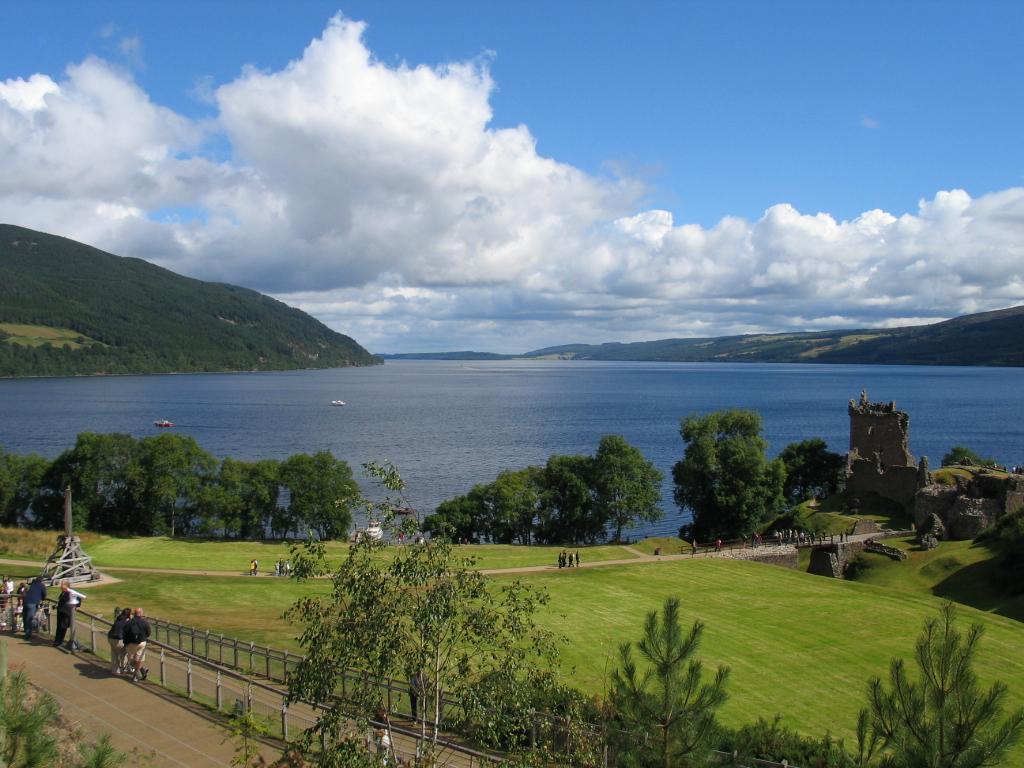
Looking beyond Shandwick Stone? Discover Scottish Highlands for broader travel guides, local hot-spots, and regional highlights.
Explore Scottish Highlands
Explore Scotland’s Highland military legacy through immersive exhibits and a vast collection housed within the historic Fort George.
Discover the enchanting bronze Mermaid of the North perched on the Scottish shore, a captivating blend of myth, art, and coastal heritage.