From Eve
Know before you go
Hi, I'm Eve. Here are a few practical things to know before exploring Dunwich Forest.
Local know-how to help you travel smarter and make the most of every moment.

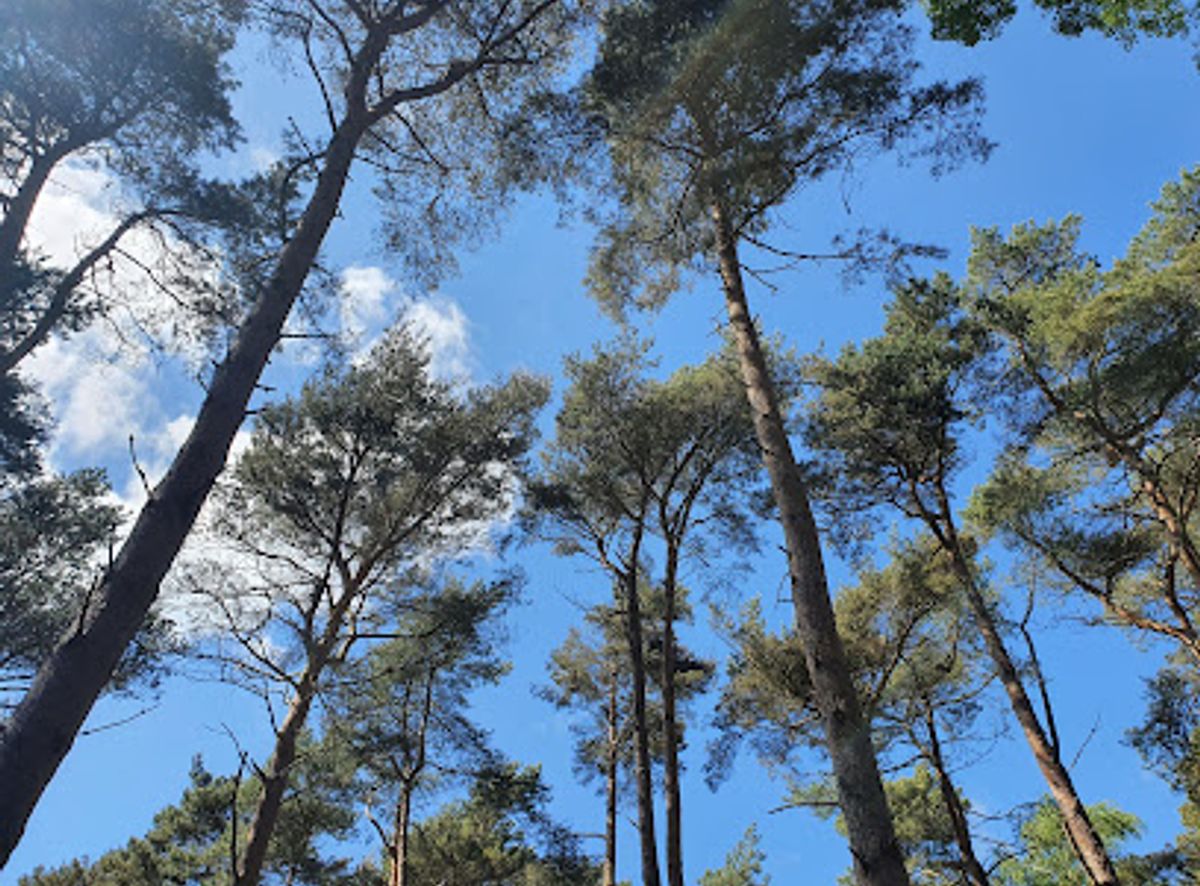
Explore Dunwich Forest’s tranquil mix of rewilded woodland and rare heathland in Suffolk’s stunning coastal landscape.
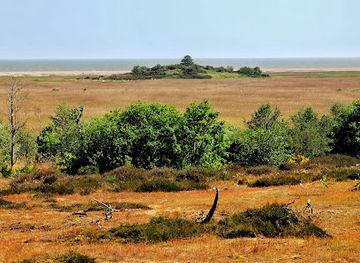
Dunwich Forest is a vast, evolving natural landscape in Suffolk, England, blending coniferous and broadleaved woodland with rare lowland heath. Situated near the historic village of Dunwich and within the Suffolk Coast and Heaths Area of Outstanding Natural Beauty, this 900-hectare forest offers peaceful walking trails, wildlife habitats, and a unique rewilding project featuring grazing Dartmoor ponies. Open year-round with free access, it invites visitors to explore diverse ecosystems and enjoy tranquil nature immersion.
Opening times, essentials, and a few local tips gathered into one calmer, easier-to-scan planning section.
Hi, I'm Eve. Here are a few practical things to know before exploring Dunwich Forest.
Local know-how to help you travel smarter and make the most of every moment.
Car
Driving from central Saxmundham to Dunwich Forest takes approximately 20 to 30 minutes via the A12 and B1125. Parking is free but there are no designated accessible parking spaces. Be prepared for rural roads and limited signage.
Bus
Local bus services run from Saxmundham to Westleton, about 2.5 km from Dunwich Forest. From Westleton, a 30-minute walk on rural paths leads to the forest entrance. Bus fares typically range from £3 to £6 one way.
Walking
For active visitors, walking from Dunwich village to the forest is roughly a 30 to 40-minute walk over gently undulating terrain. Paths are natural and may be uneven, so suitable footwear is recommended.
 Restrooms
 Seating Areas
 Information Boards
 Visitor Center
 Trash Bins
Catch the right light and the right mood, whether you want a bright city moment or a more cinematic evening visit.


Use Tower Bridge as your starting point for nearby food, family ideas, nightlife, and more local discoveries.
A quick look at seasonal patterns and peak visiting hours.

Explore expert travel guides, compare and book tours, experiences, hotels, and more—all from the palm of your hand. Download now for seamless trip planning wherever your wanderlust takes you.
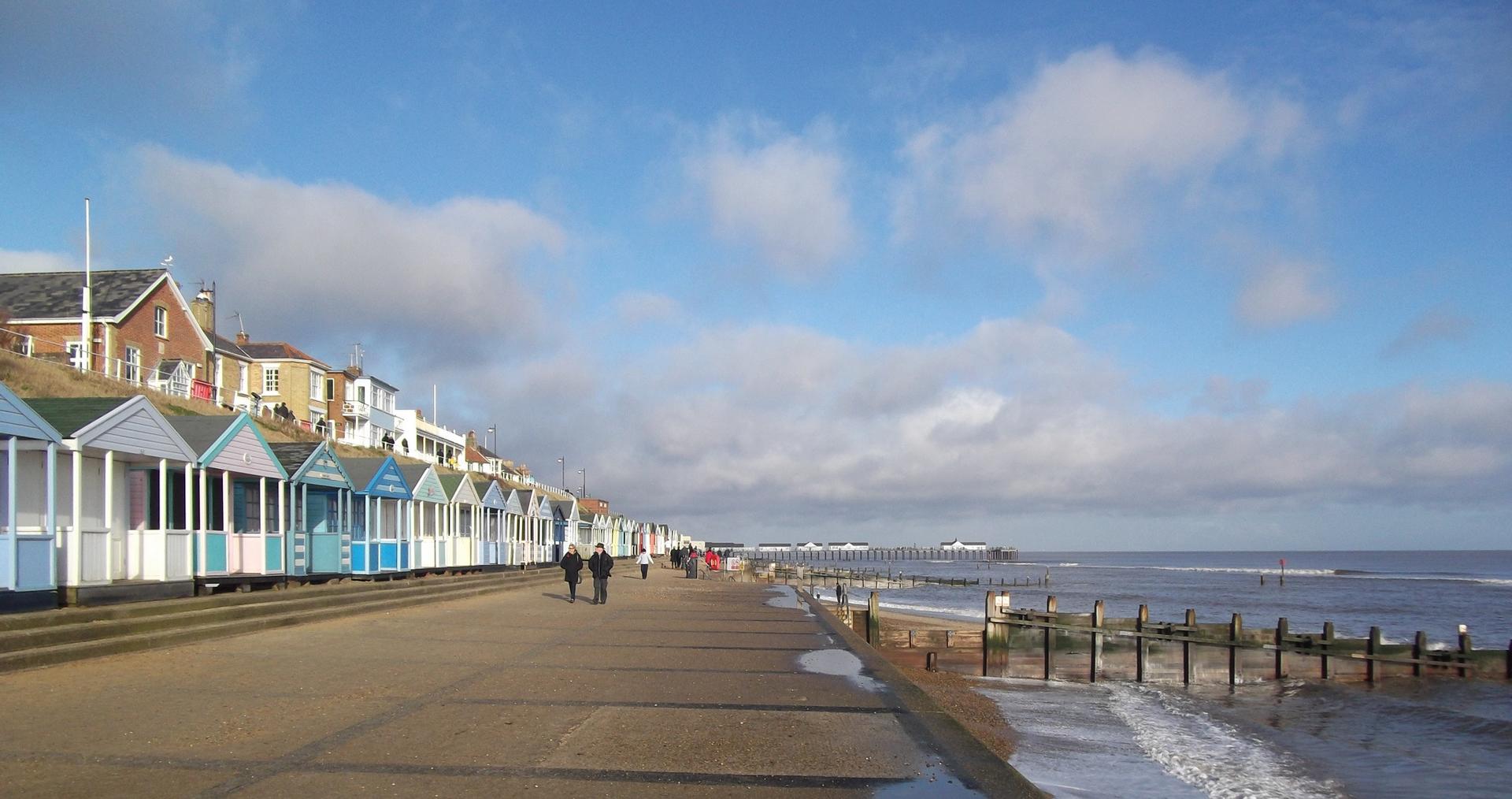
Discover Southwold, a picturesque seaside town in the UK, known for its iconic lighthouse, vibrant pier, and rich cultural heritage. Perfect for a tranquil coastal getaway.
Tell me more about Southwold