Leiston Abbey: A Storied Premonstratensian Monastic Ruin in Suffolk
Explore the evocative ruins of Leiston Abbey, a medieval Premonstratensian monastery blending history, architecture, and cultural heritage in Suffolk.
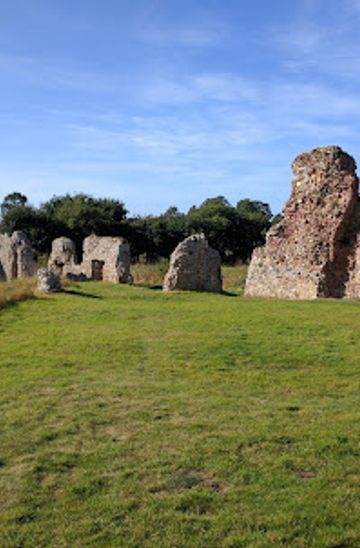
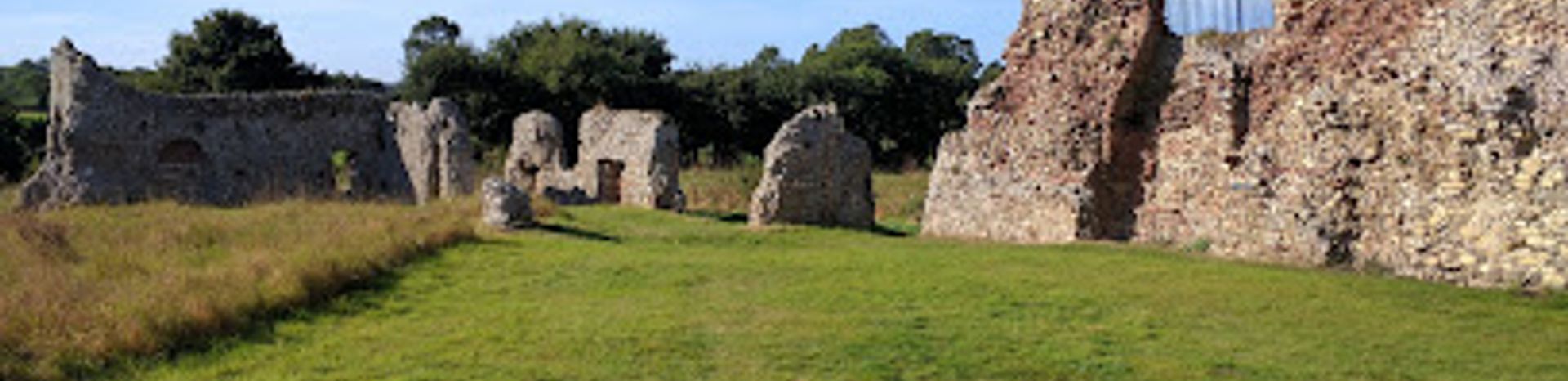
Leiston Abbey, located in Leiston, Suffolk, is a remarkable medieval monastic ruin of the Premonstratensian order. Founded in 1182 by Ranulf de Glanville, it was originally built on a marshland isle near the sea before relocating inland in the 14th century due to flooding. The site features well-preserved stone ruins, including walls nearly full height, and incorporates original carved stones from the earlier abbey. Today, it is managed by the Pro Corda Trust and serves as a cultural and musical retreat, blending rich history with ongoing community engagement.
A brief summary to Leiston Abbey
- Abbey Rd, Leiston, IP16 4TD, GB
- Click to display
- Click to display
- Duration: 1 to 3 hours
- Free
-
 Outdoor
- Mobile reception: 4 out of 5
- Monday 9 am-5 pm
- Tuesday 9 am-5 pm
- Wednesday 9 am-5 pm
- Thursday 9 am-5 pm
- Friday 9 am-5 pm
- Saturday 9 am-5 pm
- Sunday 9 am-5 pm

Know before you go
Hi, I'm Eve. Here are a few practical things to know before exploring Leiston Abbey.
- Wear sturdy footwear as the abbey ruins are set in open grounds with uneven surfaces.
- Visit during daylight hours between 9am and 5pm for best access and lighting.
- Take time to explore the nearby walking trails that connect to the abbey and surrounding countryside.
- Look closely for medieval architectural details like reused carved stones and scorch marks from the 14th-century fire.
- Check for any musical or cultural events hosted by the Pro Corda Trust at the abbey.
Do you manage this location?
Take control to get all the benefits, like improved information, better appearance, and stronger visibility across AI-powered discovery. Learn more
Activate your presence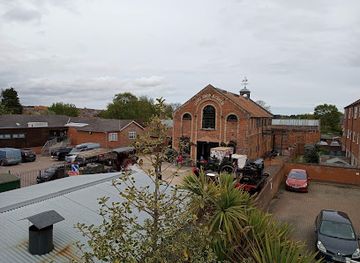
Getting There
-
Train and Bus
From Ipswich railway station, take a train to Saxmundham (approx. 30 minutes). From Saxmundham, catch the local bus service 64 towards Leiston, which takes around 20 minutes. The bus stops near Abbey Road, a short walk from Leiston Abbey. Bus services run regularly but check schedules in advance. Total travel time is approximately 1 to 1.5 hours. Tickets cost around £5-£8 GBP.
-
Car
Driving from Ipswich or Lowestoft, Leiston Abbey is accessible via the A12 and A1094 roads. Parking is available near the abbey on Abbey Road. Travel time ranges from 30 to 50 minutes depending on traffic. Note that the site is rural with limited street lighting and narrow roads. Parking is free.
-
Walking
For active visitors staying in Leiston town center, a pleasant 20-30 minute walk through quiet country lanes and footpaths leads to Leiston Abbey. The terrain is mostly flat but includes some uneven ground near the ruins, so suitable footwear is recommended.
For the on-the-go comforts that matter to you
-
 Restrooms
-
 Seating Areas
-
 Information Boards
Discover more about Leiston Abbey
Origins and Founding of Leiston Abbey
Leiston Abbey was established in 1182 by Ranulf de Glanville, Chief Justiciar to King Henry II, originally situated on an island within the saltmarsh near Minsmere on the Suffolk coast. This first site, known as "St Mary de Insula," was chosen for its isolation in keeping with the Premonstratensian order’s preference for remote locations. The canons, white-robed priests following the rule of St Augustine, lived austere lives focused on worship and manual labor. The original abbey included a church, cloister, fishponds, and water channels, many of which are still visible as archaeological cropmarks today.Relocation and Architectural Evolution
Due to repeated flooding that compromised the original foundations, the abbey community relocated around 1363 to higher ground near Leiston town. The new abbey was constructed using much of the stone salvaged from the original site, including ornately carved stones dating back nearly 200 years. Despite a devastating fire in the 1380s, the abbey was rebuilt, incorporating both functional and stylistic elements of the period. Some walls of the 14th-century church survive almost to their full height, providing a vivid glimpse into medieval monastic architecture. The abbey precinct included spaces for worship, administration, living quarters, and communal activities such as washing and dining.Historical Significance and Decline
Leiston Abbey was a significant religious and cultural center in medieval Suffolk, supported by extensive estates consolidated around Leiston. The abbey’s canons also served local parish churches, integrating the monastery with surrounding communities. However, like many monastic institutions, Leiston Abbey was dissolved in 1537 during King Henry VIII’s Dissolution of the Monasteries. Following this, the abbey buildings were repurposed as farm buildings and a Georgian farmhouse was later built into the ruins, reflecting the site’s evolving use over centuries.Modern Preservation and Cultural Role
Today, Leiston Abbey is managed by the Pro Corda Trust, which uses the site as a music residency and educational retreat for young musicians. Archaeological efforts since the 1930s, including recent community-involved excavations, have enhanced understanding of the abbey’s history and helped develop conservation plans. The ruins are freely accessible and offer visitors a unique opportunity to explore one of Suffolk’s finest monastic remains, set within a tranquil rural landscape near the Suffolk coast.Unique Features and Visitor Experience
Visitors can observe original Norman features, medieval stonework reused from the first abbey, and faint scorch marks from the 14th-century fire. The abbey’s layout reveals the daily rhythms of monastic life, from spiritual worship in the church to practical functions in the chapter house and domestic buildings. The site’s peaceful ambience and scenic surroundings make it ideal for contemplative walks, historical exploration, and cultural events. Nearby, the proximity to Sizewell Nuclear Power Station adds a modern contrast to this ancient heritage site.Archaeological and Environmental Insights
Leiston Abbey’s archaeology provides valuable insights into medieval monastic farming, land use, and environmental challenges such as coastal flooding. The original abbey’s marshland setting and subsequent relocation highlight the impact of climate and landscape on historical communities. Ongoing research continues to uncover the abbey’s story and inform heritage management, ensuring that Leiston Abbey remains a vital link to England’s monastic past for future generations.Explore the best of what Leiston Abbey has to offer













More about East Of England
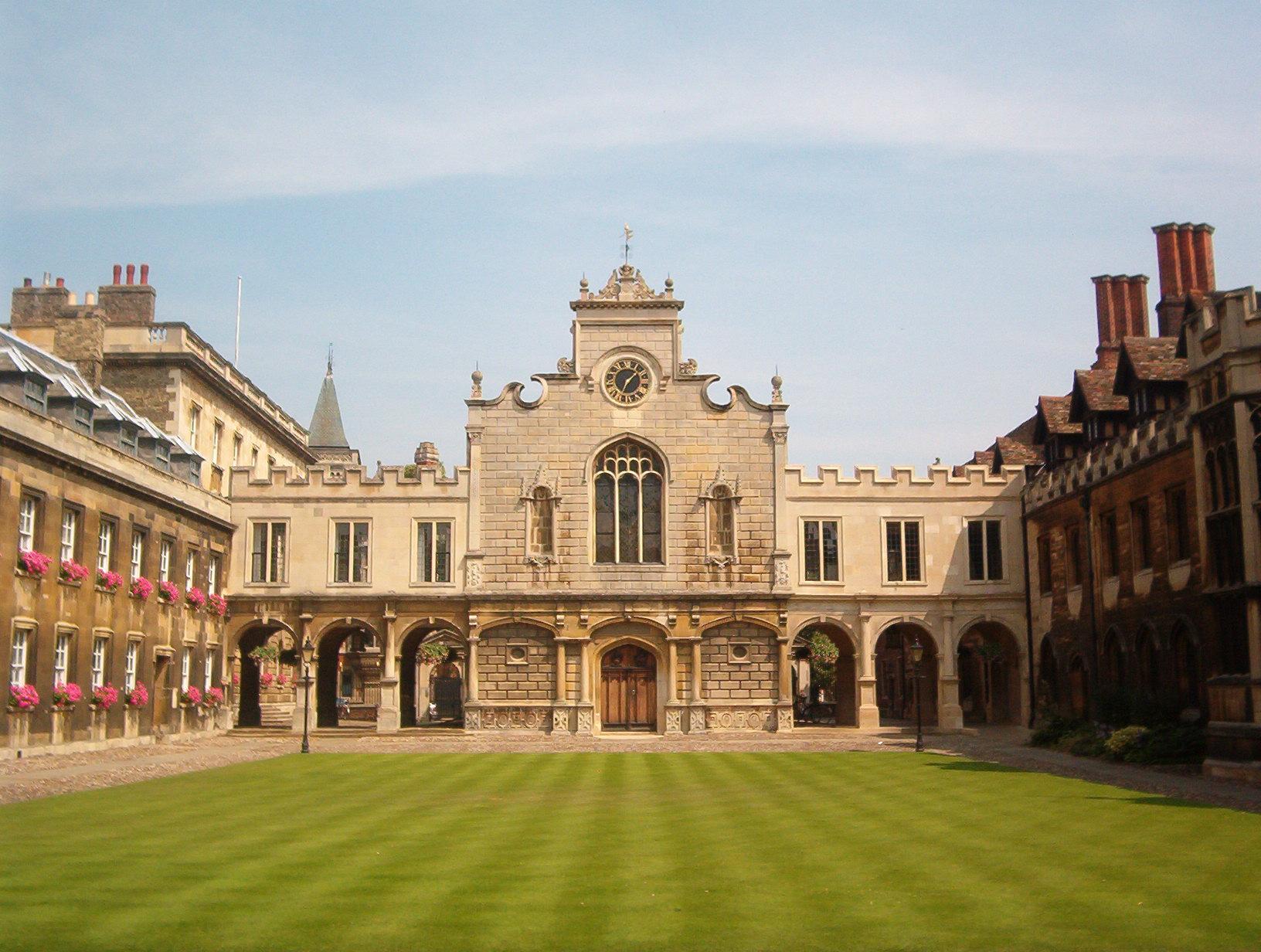
Experience the East of England: a picturesque blend of historic towns, stunning coastlines, and serene countryside, offering a perfect retreat for every traveler.
Tell me more about East Of England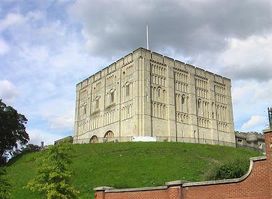
Delve into Norfolk's hidden archives at the Norwich Castle Study Centre, where 32,000+ treasures of costume, art, and history await dedicated researchers in a scholarly haven near the iconic castle.

Explore Leiston’s industrial heritage and community spirit through the captivating exhibits of the Long Shop Museum.