

Britannia Panopticon, Stirling Travel Guide
Free Guide: Step into Glasgow’s Britannia Panopticon, the world’s oldest surviving music hall, where Victorian variety meets early cinema in a vibrant historic venue.


A brief summary of Britannia Panopticon
Step into Glasgow’s Britannia Panopticon, the world’s oldest surviving music hall, where Victorian variety meets early cinema in a vibrant historic venue.
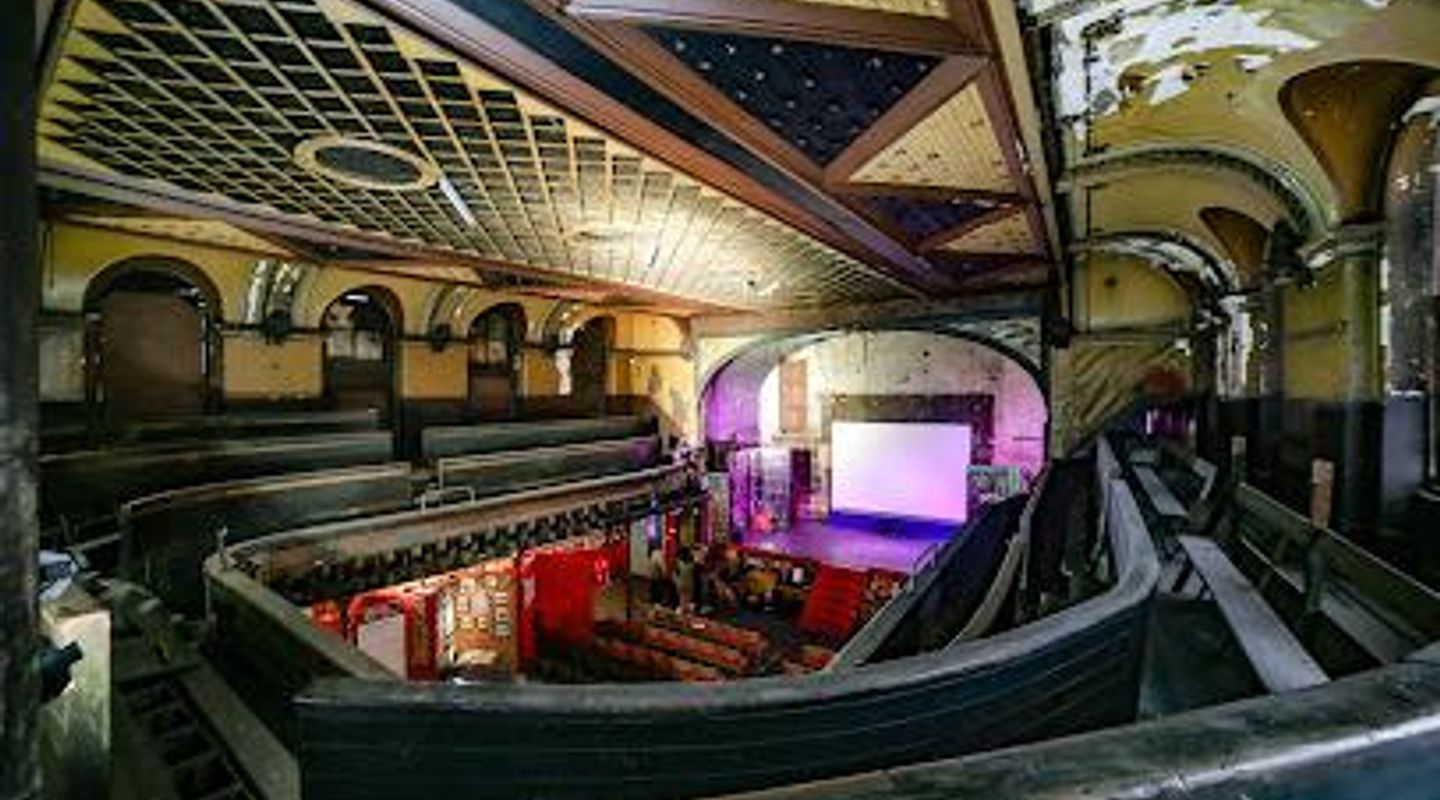
The Britannia Panopticon, located on Trongate in Glasgow, is the world's oldest surviving music hall, dating back to 1857. Renowned for its rich history of variety entertainment, early cinema, and iconic performers like Stan Laurel, this venue offers a unique glimpse into Victorian and early 20th-century popular culture. Restored with its 1920s stage, it continues to host diverse shows, preserving Glasgow’s vibrant theatrical heritage.
On-site amenities
 Restrooms
 Drink options
 Food options
 Seating areas
 Information boards
 Visitor centre
- Address
- 113-117 Trongate, Glasgow G1 5HD
- Phone
- Website
Getting there
Public Transport
Bus
Taxi or Rideshare
Discover more about Britannia Panopticon
Origins and Architectural Heritage
The Britannia Panopticon Music Hall was established in 1857 within a grand classical-style building commissioned by Archibald Blair and designed by architects Thomas Gildard and Robert H.M. MacFarlane. Initially conceived as a multi-use building with retail and warehousing, its rear section was adapted into a music hall to entertain Glasgow’s working-class population. Opening on Christmas Day, 1859, it catered to audiences of up to 1,500, offering a venue for a variety of popular acts and performances. The building’s classical facade and interior layout reflect Victorian design sensibilities, encapsulating the era’s cultural and architectural character.
A Hub of Music Hall and Variety Entertainment
Throughout its early decades, the Britannia Panopticon was a bustling center for music hall entertainment, featuring acrobats, child performers, animals, and traditional variety acts. It was known for its lively atmosphere and strict policies aimed at maintaining decorum, such as prohibiting unaccompanied ladies to deter local prostitutes. The venue was a favorite for Glasgow’s working classes and gained a reputation as the city’s premier place of amusement by the 1880s. Renamed the Britannia Variety Theatre in 1896 and equipped with electric lighting, it also briefly showcased early moving pictures, marking its pioneering role in Scotland’s entertainment evolution.
Early Cinema and the Panopticon Era
The hall embraced the advent of cinematography in the late 19th and early 20th centuries, installing a permanent projection box in 1904 and becoming known as Hubner’s Animatograph for its film exhibitions. In 1906, showman A.E. Pickard leased the venue and renamed it the Britannia and Grand Panopticon, adding attractions like a carnival, waxworks, a freak show, and even a zoo in the attic. The name “Panopticon” reflected the ambition to offer a spectacle where visitors could 'see everything.' This eclectic mix of entertainment made the venue a unique cultural landmark, blending traditional variety with emerging cinematic experiences.
Decline, Rediscovery, and Restoration
By 1938, the Britannia Panopticon had become outdated for modern cinema and variety shows, leading to its closure and concealment behind a false ceiling. For over six decades, it remained largely forgotten, even repurposed during World War II to house chickens for egg production. Rediscovered in the late 1990s by Judith Bowers and a dedicated group of volunteers, the hall has since undergone significant restoration efforts, including the revival of its 1920s stage. Today, it operates as a vibrant venue hosting music hall shows, classic films, comedy, drag performances, and community events, embodying a living link to Glasgow’s theatrical past.
Significance and Cultural Legacy
The Britannia Panopticon holds immense cultural and historical value as the oldest surviving music hall in the world. It launched the career of Stan Laurel and hosted many of the greats of Scottish and London music hall stages. Its survival offers a rare and tangible connection to Victorian entertainment and the social history of Glasgow’s East End. The venue’s eclectic programming continues to celebrate its bawdy, saucy heritage while fostering community engagement and arts innovation.
Visitor Experience and Atmosphere
Visitors to the Britannia Panopticon step into a richly atmospheric space filled with vintage ephemera, period costumes, and evocative ghost signs etched into the walls. The restored stage and intimate auditorium evoke a bygone era of theatrical spectacle and communal enjoyment. The venue’s ongoing events range from traditional music hall revues to contemporary comedy and drag, ensuring a lively and diverse cultural experience that honors its historic roots while embracing modern performance art.
Evendo Review Centre
 Google
Guest reviews
Best time to go
Quietest: Jan, Feb & Mar · before 8am
Busy times are Evendo estimates for a typical year, to help you plan. Actual crowds vary with events, school holidays and the weather.
Explore Britannia Panopticon on the map
A handpicked selection of must-see spots near Britannia Panopticon, mapped for you.
Get your free copy of our complete guide to Britannia Panopticon, delivered straight to you.
Everything on this page, from opening hours and how to get there to Eve’s tips and the best time to go, in one PDF you can read offline, print or share.
Already have an account? Sign in
Your Britannia Panopticon guide is ready.
We'll send it to · Not you? Sign out

Getting your guide ready…
We are putting together a fresh copy of the Britannia Panopticon guide. This can take up to a minute.
This can take a few moments. If your browser asks, choose Allow so the download can start. You'll find the guide in your Downloads folder.
Nothing happened? Download it again
Sorry, the guide is taking longer than usual. Please try again in a minute, or get it by email instead.
Unlock the best of Britannia Panopticon
Skip-the-line tickets, guided tours with entry, and walking tours of the area, booked in a few clicks.


Other nearby places you may find interesting
The closest places of the same kind, if this one is not quite what you had in mind.
-
The King's Knot Explore the historic octagonal earthworks of the King's Knot, a royal garden legacy beneath Stirling Castle with stunning castle views and tranquil green space.
-
Beheading Stone. A haunting medieval execution site atop Stirling’s Mote Hill, bearing witness to Scotland’s turbulent past and royal justice.
-
King's Park King's Park in Stirling offers historic charm, scenic castle views, and vibrant green spaces for all ages near the town centre.
-
The Stirling Smith Art Gallery & Museum Explore Stirling’s rich history and vibrant culture in a Victorian museum set within beautiful gardens, featuring diverse exhibitions and family-friendly activities.
-
Airthrey Castle Airthrey Castle: A majestic 18th-century estate blending classical architecture with tranquil university grounds in Stirling.
Swipe for more places
More to explore near Britannia Panopticon

 Best experiences near Britannia Panopticon
 Best hotels near Britannia Panopticon
 Best landmarks near Britannia Panopticon
 Best attractions near Britannia Panopticon
 Best shops near Britannia Panopticon
 Best restaurants near Britannia Panopticon
 Best bars near Britannia Panopticon
Do you manage this location?
Take control to get all the benefits, like improved information, better appearance, and stronger visibility across AI-powered discovery.
Explore more

Explore more of Stirling
Discover Stirling: A city where history comes alive amidst stunning landscapes and cultural richness in the heart of Scotland.
Explore Stirling
Explore more of United Kingdom
Discover the United Kingdom: A blend of rich history, stunning landscapes, and vibrant cities, offering a unique travel experience for every visitor.
Explore United Kingdom
