

Edinburgh New Town, Stirling Travel Guide
Free Guide: Explore Edinburgh New Town, a Georgian-era masterpiece of neoclassical architecture and enlightened urban planning in Scotland’s capital.


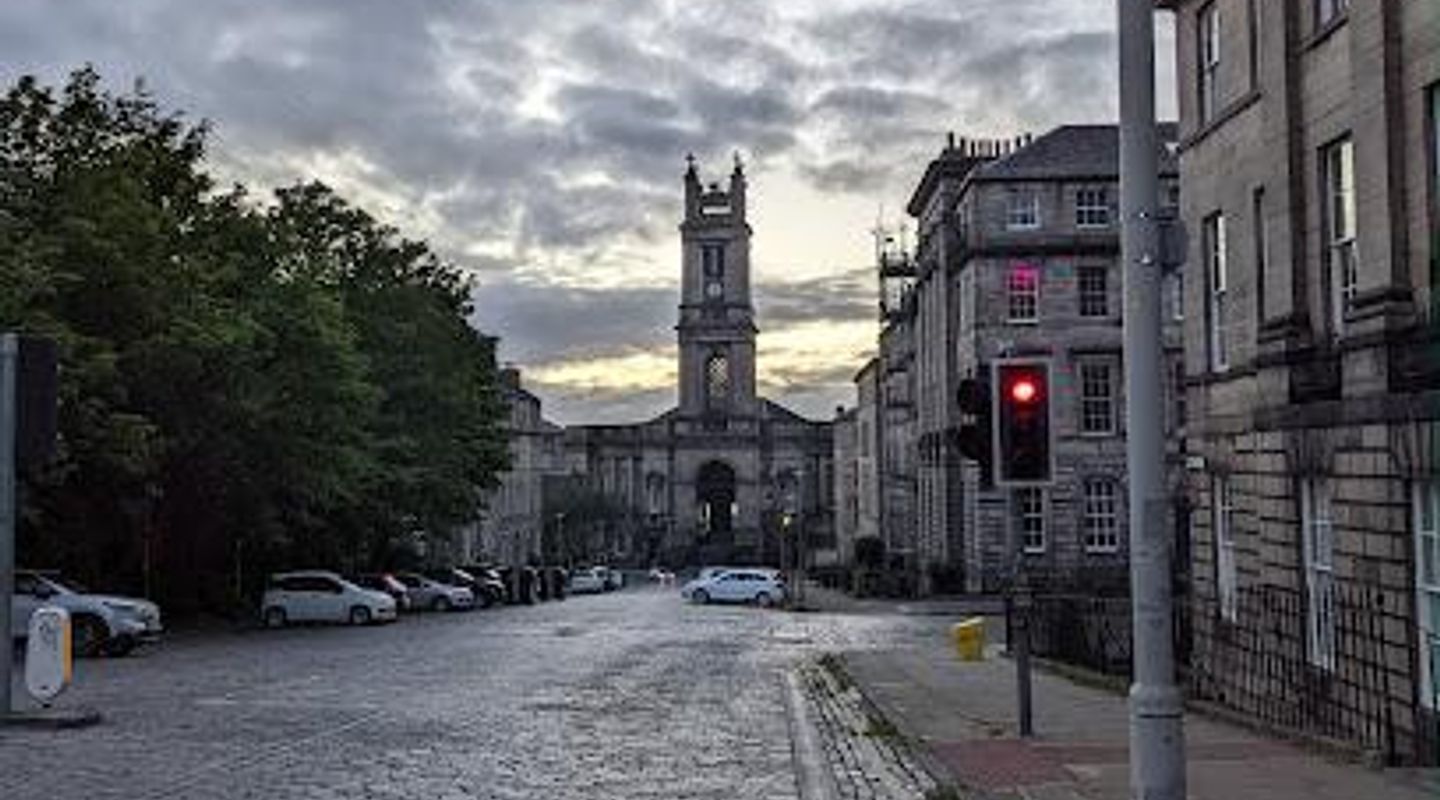
A brief summary of Edinburgh New Town
Explore Edinburgh New Town, a Georgian-era masterpiece of neoclassical architecture and enlightened urban planning in Scotland’s capital.
Edinburgh New Town, a UNESCO World Heritage Site, is a stunning example of 18th- and 19th-century Georgian urban planning and neoclassical architecture. Designed by James Craig in 1767 to alleviate overcrowding in the Old Town, it features a distinctive grid layout with grand squares, wide streets, and elegant terraces. The area houses cultural landmarks like Charlotte Square and the Scottish National Gallery, embodying Enlightenment ideals of order, beauty, and progress.
On-site amenities
 Restrooms
 Drink options
 Food options
 Seating areas
 Information boards
- Address
- Edinburgh
Getting there
Public Transport
Walking
Taxi or Rideshare
Discover more about Edinburgh New Town
The Vision Behind Edinburgh's New Town
Edinburgh New Town was conceived in the mid-18th century as a solution to the overcrowded and unsanitary conditions of the medieval Old Town. In 1766, a design competition was held, won by the young architect James Craig, whose plan introduced a bold grid-iron street layout. This design contrasted sharply with the organic, maze-like Old Town, symbolizing the Enlightenment ideals of rationality, order, and progress. Construction began shortly after, with the first houses built in 1767, marking the start of a transformative urban expansion.
Architectural Elegance and Urban Design
The New Town is celebrated for its neoclassical and Georgian architecture, characterized by symmetrical streets, uniform facades, and classical detailing. Notable architects such as Robert Adam and William Playfair contributed to its development, designing iconic structures including Charlotte Square and the Scottish National Gallery. The town’s broad avenues, elegant terraces, and private gardens create a harmonious urban environment that has influenced European city planning. The use of local sandstone and high ceilings adds to the area's distinctive aesthetic.
Cultural and Historical Significance
Beyond its architectural beauty, Edinburgh New Town has long been a cultural and intellectual hub. It hosts prestigious institutions like the Royal Society of Edinburgh and the National Gallery of Scotland, continuing the city’s legacy as the 'Athens of the North.' Charlotte Square, designed by Robert Adam, remains one of the most prestigious addresses, housing the official residence of Scotland’s First Minister. The New Town reflects Scotland’s Enlightenment era, blending social ambition with artistic and scientific advancement.
Phases of Development and Expansion
The New Town was developed in several phases throughout the late 18th and 19th centuries. The initial phase focused on the area around St Andrew Square and George Street, while later expansions, such as the Second New Town, extended northwards with a similar grid pattern adapted to the terrain. These expansions maintained the high quality of design and construction, preserving the Georgian townscape that remains largely intact today. The Mound, formed from excavated material, connects the New Town with the Old Town, symbolizing the union of Edinburgh’s historic and modern identities.
Experiencing Edinburgh New Town Today
Today, Edinburgh New Town remains a vibrant district blending residential, commercial, and cultural uses. Visitors can stroll its wide streets, admire the grand townhouses, and explore landmarks like the Georgian House, which offers insights into 18th-century life. The area’s elegant squares and gardens provide tranquil spaces amid the urban bustle. Its status as a UNESCO World Heritage Site underscores its global importance as a model of enlightened urban design and architectural excellence.
Legacy and Influence on Urban Planning
Edinburgh New Town set new standards for urban planning and architecture in Scotland and beyond. Its clear grid layout, classical aesthetics, and integration of public spaces influenced city development across Europe. The juxtaposition of the New Town’s planned elegance with the Old Town’s medieval complexity creates a unique urban landscape celebrated for its historical depth and visual drama. This enduring legacy continues to shape Edinburgh’s identity as a city of culture, history, and innovation.
Evendo Review Centre
 Google
Guest reviews
Best time to go
Quietest: Jan, Feb & Dec · before 6am or from 11pm
Busy times are Evendo estimates for a typical year, to help you plan. Actual crowds vary with events, school holidays and the weather.
Explore Edinburgh New Town on the map
A handpicked selection of must-see spots near Edinburgh New Town, mapped for you.
Get your free copy of our complete guide to Edinburgh New Town, delivered straight to you.
Everything on this page, from opening hours and how to get there to Eve’s tips and the best time to go, in one PDF you can read offline, print or share.
Already have an account? Sign in
Your Edinburgh New Town guide is ready.
We'll send it to · Not you? Sign out

Getting your guide ready…
We are putting together a fresh copy of the Edinburgh New Town guide. This can take up to a minute.
This can take a few moments. If your browser asks, choose Allow so the download can start. You'll find the guide in your Downloads folder.
Nothing happened? Download it again
Sorry, the guide is taking longer than usual. Please try again in a minute, or get it by email instead.
Unlock the best of Edinburgh New Town
Skip-the-line tickets, guided tours with entry, and walking tours of the area, booked in a few clicks.
 Tour with entry
Discover Edinburgh: A Self-Guided Tour
from $1.05 Tour with entry
Discover Edinburgh's New Town on a self-guided audio tour
from $13.82 Tour with entry
Pubs Tour: The history of Pubs and Drinking in Scotland.
from $17.59 Tour with entry
Edinburgh's Amazing Harry Potter Walking Tour - Kids Free!
from $18.84


Other nearby places you may find interesting
The closest places of the same kind, if this one is not quite what you had in mind.
-
The King's Knot Explore the historic octagonal earthworks of the King's Knot, a royal garden legacy beneath Stirling Castle with stunning castle views and tranquil green space.
-
Beheading Stone. A haunting medieval execution site atop Stirling’s Mote Hill, bearing witness to Scotland’s turbulent past and royal justice.
-
King's Park King's Park in Stirling offers historic charm, scenic castle views, and vibrant green spaces for all ages near the town centre.
-
The Stirling Smith Art Gallery & Museum Explore Stirling’s rich history and vibrant culture in a Victorian museum set within beautiful gardens, featuring diverse exhibitions and family-friendly activities.
-
Airthrey Castle Airthrey Castle: A majestic 18th-century estate blending classical architecture with tranquil university grounds in Stirling.
Swipe for more places
More to explore near Edinburgh New Town

 Best experiences near Edinburgh New Town
 Best hotels near Edinburgh New Town
 Best landmarks near Edinburgh New Town
 Best attractions near Edinburgh New Town
 Best shops near Edinburgh New Town
 Best restaurants near Edinburgh New Town
 Best bars near Edinburgh New Town
Do you manage this location?
Take control to get all the benefits, like improved information, better appearance, and stronger visibility across AI-powered discovery.
Explore more

Explore more of Stirling
Discover Stirling: A city where history comes alive amidst stunning landscapes and cultural richness in the heart of Scotland.
Explore Stirling
Explore more of United Kingdom
Discover the United Kingdom: A blend of rich history, stunning landscapes, and vibrant cities, offering a unique travel experience for every visitor.
Explore United Kingdom
