Floral Clock, Stirling Travel Guide
Free Guide: Discover the world’s oldest floral clock, a vibrant living timepiece blooming with tens of thousands of plants in Edinburgh’s scenic Princes Street Gardens.


A brief summary of Floral Clock
Discover the world’s oldest floral clock, a vibrant living timepiece blooming with tens of thousands of plants in Edinburgh’s scenic Princes Street Gardens.
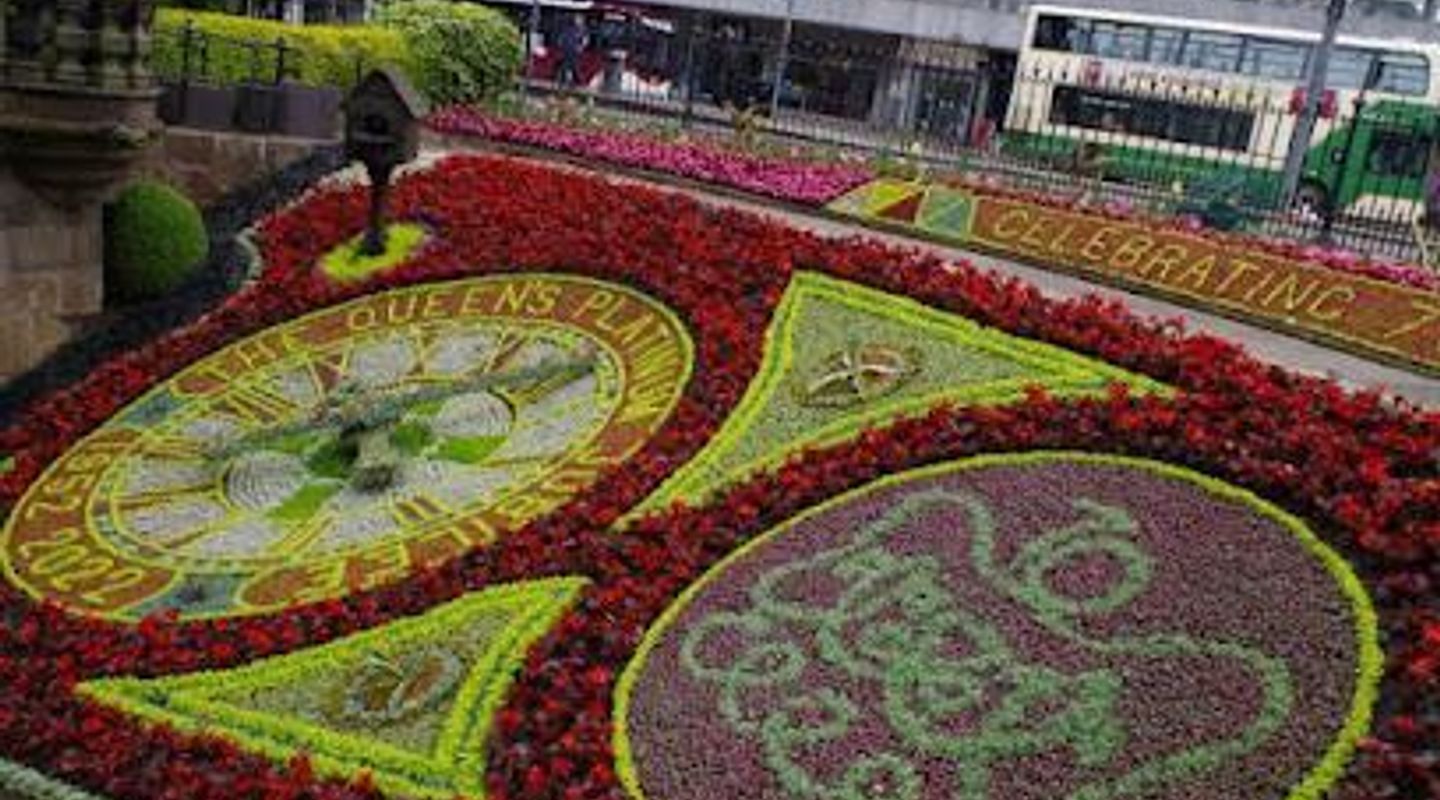
The Floral Clock in Edinburgh’s West Princes Street Gardens is the world’s oldest floral clock, created in 1903. This unique timepiece combines horticultural artistry with precise clockwork, featuring tens of thousands of colorful plants arranged in a functioning clock face. It blooms annually from July to October and is maintained by dedicated gardeners, making it a charming and whimsical landmark near the National Galleries.
On-site amenities
 Seating areas
 Trash bins
 Information boards
Opening hours
- Every dayOpen 24 hours
Opening hours as listed on the venue’s Google Business Profile. Hours can change for services and special events, so check with the venue before you go.
- Address
- Princes St, Edinburgh EH2 4BA
- Website
Getting there
Bus
Walking
Taxi
Discover more about Floral Clock
A Living Timepiece Rooted in History
The Floral Clock in Edinburgh is a pioneering horticultural marvel, first created in 1903, making it the oldest floral clock in the world. Inspired by the carpet bedding displays in Princes Street Gardens, it was designed by John McHattie, the city’s park superintendent, with clockmakers James Ritchie and Son installing the intricate mechanism beneath the flowerbed. Initially featuring only an hour hand, the minute hand was added a year later, and in 1973, an electric motor replaced the manual winding system, ensuring the clock keeps accurate time. This blend of botanical beauty and precise engineering has made the Floral Clock a beloved historical landmark in Edinburgh.
Botanical Craftsmanship and Seasonal Splendor
Each year, the Floral Clock is replanted with tens of thousands of small, vibrant plants, including Lobelia, Pyrethrum, Golden Moss, and succulents like Echeveria and Sedum. The planting process takes five weeks and involves two gardeners, while one gardener maintains the display throughout the blooming season from July to October. The clock’s design changes annually, often commemorating special events or charities, adding layers of meaning and community connection to this living artwork. Visitors admire the meticulous arrangement of plants that form the clock’s numbers and hands, creating a colorful and whimsical spectacle against the backdrop of the gardens.
Setting and Visitor Experience
Situated halfway down the stairs into West Princes Street Gardens, across from the National Galleries and at the foot of the Mound, the Floral Clock is nestled in a picturesque urban park setting. Visitors lean over a stone wall to view the clock’s face, which is embedded into a slope, offering a unique vantage point to appreciate its scale and detail. The surrounding Princes Street Gardens provide a tranquil green space in the heart of Edinburgh, with the clock serving as a charming focal point for tourists and locals alike. Its location near prominent city landmarks enhances its accessibility and appeal.
Symbolism and Community Engagement
Beyond its horticultural and mechanical ingenuity, the Floral Clock often serves as a symbol of community spirit and celebration. For example, in 2023, it commemorated 200 years of Braille in partnership with the Royal National Institute of Blind People. Such themes highlight the clock’s role as a living tribute that evolves with the city’s cultural and social milestones. This dynamic aspect makes the Floral Clock not just a garden feature but a meaningful emblem of Edinburgh’s heritage and values.
Gardening Challenges and Maintenance
Maintaining the Floral Clock is a demanding task that requires expert horticultural skills and precise timing. The gardeners must carefully select plants that thrive in Edinburgh’s climate and can be shaped to form the clock’s intricate design. Regular trimming, watering, and weeding are essential to keep the display vibrant and accurate throughout the season. The integration of a clock mechanism beneath living plants also presents unique technical challenges, ensuring the hands move smoothly without disturbing the delicate flora.
A Unique Blend of Nature and Innovation
Edinburgh’s Floral Clock stands as a testament to the creative fusion of nature and technology. It offers visitors a rare opportunity to witness timekeeping expressed through living plants, combining the city’s rich botanical tradition with innovative design. This landmark continues to enchant visitors with its colorful displays, historical significance, and the quiet charm of a clock that blooms with the seasons, embodying Edinburgh’s spirit of blending heritage with creativity.
Evendo Review Centre
 Google
Guest reviews
Best time to go
Quietest: Jan, Feb & Dec · before 6am or at 9pm
Busy times are Evendo estimates for a typical year, to help you plan. Actual crowds vary with events, school holidays and the weather.
Explore Floral Clock on the map
A handpicked selection of must-see spots near Floral Clock, mapped for you.
Get your free copy of our complete guide to Floral Clock, delivered straight to you.
Everything on this page, from opening hours and how to get there to Eve’s tips and the best time to go, in one PDF you can read offline, print or share.
Already have an account? Sign in
Your Floral Clock guide is ready.
We'll send it to · Not you? Sign out

Getting your guide ready…
We are putting together a fresh copy of the Floral Clock guide. This can take up to a minute.
This can take a few moments. If your browser asks, choose Allow so the download can start. You'll find the guide in your Downloads folder.
Nothing happened? Download it again
Sorry, the guide is taking longer than usual. Please try again in a minute, or get it by email instead.
Unlock the best of Floral Clock
Skip-the-line tickets, guided tours with entry, and walking tours of the area, booked in a few clicks.


Other nearby places you may find interesting
The closest places of the same kind, if this one is not quite what you had in mind.
-
-
-
-
-


Swipe for more places
More to explore near Floral Clock

 Best experiences near Floral Clock
 Best hotels near Floral Clock
 Best landmarks near Floral Clock
 Best attractions near Floral Clock
 Best shops near Floral Clock
 Best restaurants near Floral Clock
 Best bars near Floral Clock
Do you manage this location?
Take control to get all the benefits, like improved information, better appearance, and stronger visibility across AI-powered discovery.
Explore more

Explore more of Stirling
Discover Stirling: A city where history comes alive amidst stunning landscapes and cultural richness in the heart of Scotland.
Explore Stirling
Explore more of United Kingdom
Discover the United Kingdom: A blend of rich history, stunning landscapes, and vibrant cities, offering a unique travel experience for every visitor.
Explore United Kingdom