Nelson Mandela Pl, Stirling Travel Guide
Free Guide: Glasgow's bold tribute to freedom: a square renamed for a prisoner, now a global symbol of anti-apartheid resistance.


A brief summary of Nelson Mandela Pl
Glasgow's bold tribute to freedom: a square renamed for a prisoner, now a global symbol of anti-apartheid resistance.
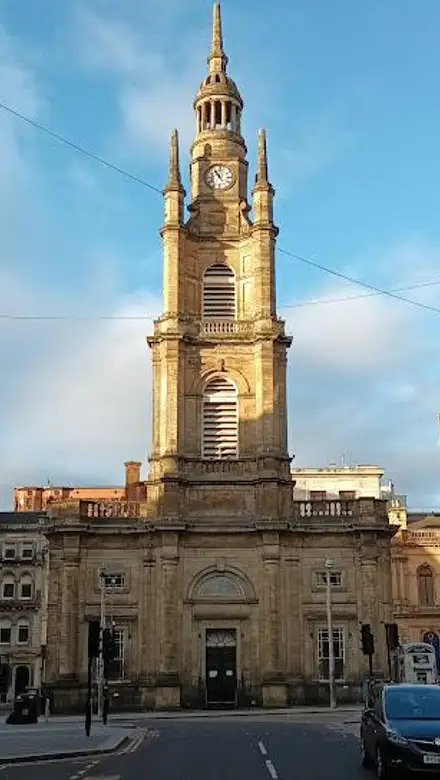
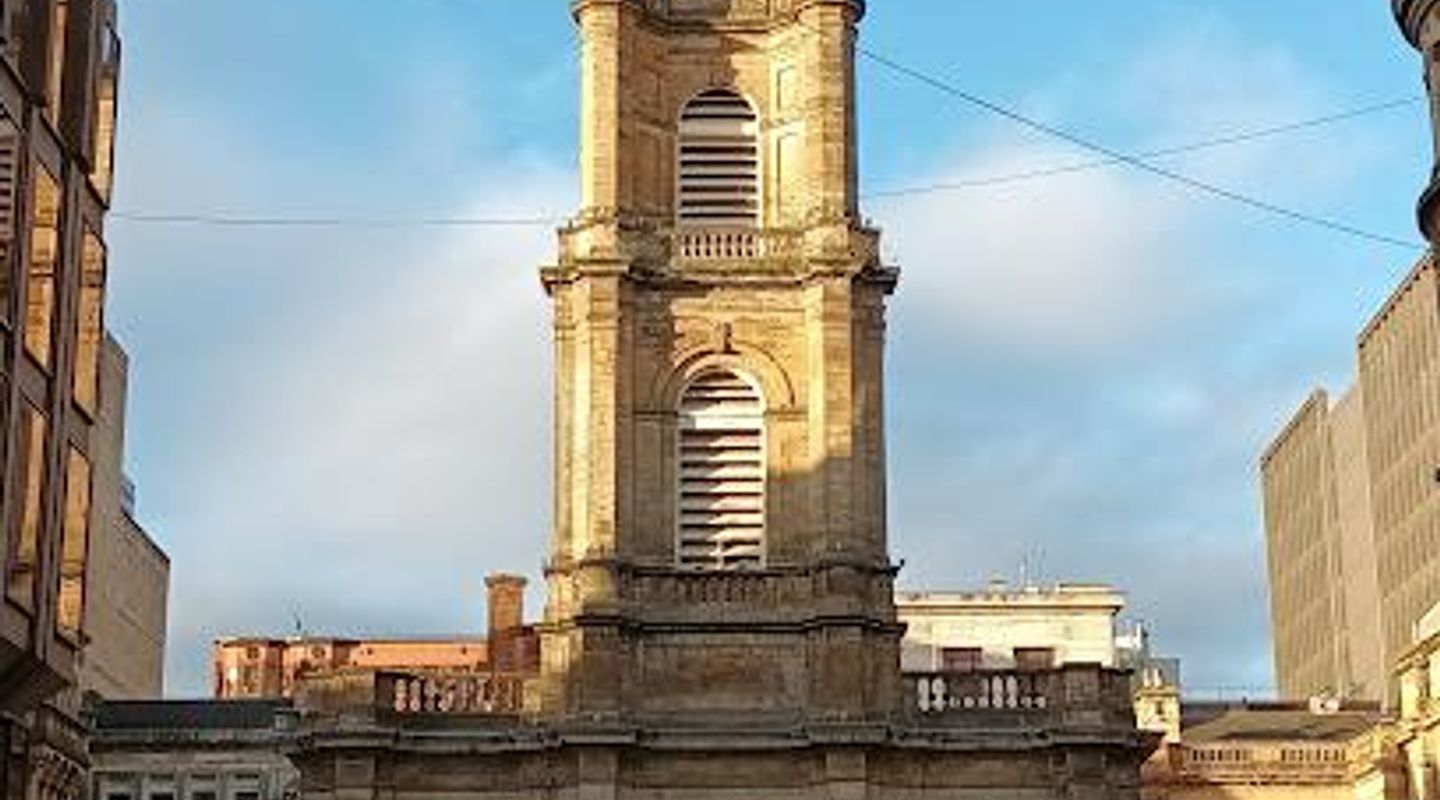
Nelson Mandela Place is a bustling public square in the heart of Glasgow's city centre, surrounded by shops, restaurants, and historic architecture. Originally named St George's Place, it was renamed in 1986 as a bold political statement against South African apartheid—while Nelson Mandela was still imprisoned. The square houses the 19th-century St George's Tron Church, now a café, and the former Glasgow Stock Exchange building, which once hosted the South African Consulate. This symbolic location became a landmark in the global anti-apartheid movement, and Mandela himself visited Glasgow in 1993 to receive the Freedom of the City.
On-site amenities
 Restrooms
 Drink options
 Food options
 Seating areas
 Information boards
- Address
- Glasgow
Getting there
Train
Bus
Taxi
Walking
Discover more about Nelson Mandela Pl
A Square Born from Defiance
Nelson Mandela Place stands as one of Glasgow's most politically significant landmarks, born from an act of civic courage during the height of apartheid. Originally called St George's Place, the square was renamed in 1986 by Glasgow City Council in honour of Nelson Mandela—a man still imprisoned in South Africa at the time, sentenced to life for his resistance to racial oppression. This was no mere ceremonial gesture; it was a deliberate and provocative statement against the apartheid regime. The South African Consulate occupied the fifth floor of the Glasgow Stock Exchange building on the square's corner, meaning all official diplomatic correspondence had to be addressed to "Nelson Mandela Place." This symbolic renaming became a worldwide first: Glasgow was the only city to take such a bold stand, and it was the only apartheid South African diplomatic building in the world to close as a direct result of anti-apartheid activism.
The Heart of Glasgow's Merchant City
Located in the vibrant Merchant City district, Nelson Mandela Place forms a busy public square adjacent to Buchanan Street, Glasgow's premier shopping thoroughfare. The square is enclosed by historic architecture and contemporary commerce, creating a dynamic urban space where history and modern life intersect. The 19th-century St George's Tron Church dominates the square's character, its Victorian stonework a reminder of Glasgow's industrial heritage. Today, the church operates as a café, welcoming visitors and locals alike. The former Glasgow Stock Exchange building, now housing various offices and businesses, stands as a monument to the city's mercantile past. Surrounding the square are shops, restaurants, and office buildings that maintain the area's status as a commercial and cultural hub.
Mandela's Recognition of Glasgow's Courage
When Nelson Mandela was released from prison after 27 years of imprisonment, one of his first international visits was to Glasgow in 1993. The city had already honoured him in 1981 by making him a Freeman of the City while he remained incarcerated—a distinction that preceded his freedom by over a decade. Upon his arrival in Glasgow, Mandela was taken to Nelson Mandela Place to personally witness the square that bore his name. He addressed a crowd of approximately 10,000 people in George Square, expressing profound gratitude for Glasgow's unwavering support during his darkest years. His words resonated deeply: "While we were physically denied our freedom in the country of our birth, a city 6,000 miles away, and as renowned as Glasgow, refused to accept the legitimacy of the apartheid system, and declared us to be free." This visit cemented Glasgow's place in the global struggle for human rights and racial justice.
A Living Monument to Anti-Apartheid Activism
Nelson Mandela Place remains a powerful testament to grassroots activism and moral leadership. The square embodies the principle that ordinary citizens and municipal governments can take meaningful stands against injustice, even when facing international pressure and diplomatic consequences. When Mandela died in 2013, Glaswegians laid floral tributes throughout the square, honouring both the man and the city's historic role in his liberation struggle. Today, the square continues to serve as a gathering place and a reminder of Glasgow's commitment to freedom and equality. Visitors walking through the square encounter not just a commercial area, but a living memorial to one of history's greatest freedom fighters and the city that dared to support him when the world largely ignored his plight.
Architectural and Urban Character
The square's physical environment blends Victorian heritage with contemporary urban vitality. The St George's Tron Church, with its distinctive architecture, provides a focal point and sense of historical continuity. The surrounding buildings represent different eras of Glasgow's development, from the industrial age represented by the Stock Exchange to modern retail and office spaces. The pedestrianized nature of much of the surrounding area, particularly Buchanan Street, creates a welcoming environment for pedestrians and encourages lingering and exploration. The square's position within the Merchant City district places it at the intersection of Glasgow's past as a trading and manufacturing powerhouse and its present identity as a vibrant cultural and commercial centre.
Evendo Review Centre
 Google
Guest reviews
Best time to go
Quietest: Jan, Feb & Mar · before 7am
Busy times are Evendo estimates for a typical year, to help you plan. Actual crowds vary with events, school holidays and the weather.
Explore Nelson Mandela Pl on the map
A handpicked selection of must-see spots near Nelson Mandela Pl, mapped for you.
Get your free copy of our complete guide to Nelson Mandela Pl, delivered straight to you.
Everything on this page, from opening hours and how to get there to Eve’s tips and the best time to go, in one PDF you can read offline, print or share.
Already have an account? Sign in
Your Nelson Mandela Pl guide is ready.
We'll send it to · Not you? Sign out

Getting your guide ready…
We are putting together a fresh copy of the Nelson Mandela Pl guide. This can take up to a minute.
This can take a few moments. If your browser asks, choose Allow so the download can start. You'll find the guide in your Downloads folder.
Nothing happened? Download it again
Sorry, the guide is taking longer than usual. Please try again in a minute, or get it by email instead.
Unlock the best of Nelson Mandela Pl
Skip-the-line tickets, guided tours with entry, and walking tours of the area, booked in a few clicks.


Other nearby places you may find interesting
The closest places of the same kind, if this one is not quite what you had in mind.
-
Martyrs' Memorial A solemn Victorian monument in Stirling honoring the courage and faith of the Presbyterian Wigtown Martyrs beneath a striking iron and glass canopy.
-
The King's Knot A 3-metre octagonal mound and geometric earthworks where Scottish kings once displayed their power and culture.
-
Robert the Bruce Statue A towering stone tribute to Scotland’s warrior-king, standing guard over Stirling Castle and gazing toward the battlefield where he secured Scottish independence.
-
Beheading Stone. A grim medieval execution block on Mote Hill, where traitors once lost their heads, now protected by a metal cage with sweeping views over Stirling and the Forth.
-
The Statues Discover Stirling’s iconic statues celebrating Scotland’s heroes and heritage in the city’s historic heart.
Swipe for more places
More to explore near Nelson Mandela Pl

 Best experiences near Nelson Mandela Pl
 Best hotels near Nelson Mandela Pl
 Best landmarks near Nelson Mandela Pl
 Best attractions near Nelson Mandela Pl
 Best shops near Nelson Mandela Pl
 Best restaurants near Nelson Mandela Pl
 Best bars near Nelson Mandela Pl
Do you manage this location?
Take control to get all the benefits, like improved information, better appearance, and stronger visibility across AI-powered discovery.
Explore more

Explore more of Stirling
Discover Stirling: A city where history comes alive amidst stunning landscapes and cultural richness in the heart of Scotland.
Explore Stirling
Explore more of United Kingdom
Discover the United Kingdom: A blend of rich history, stunning landscapes, and vibrant cities, offering a unique travel experience for every visitor.
Explore United Kingdom