Barton Broad Boardwalk, The Broads Travel Guide
Experience Norfolk’s tranquil marshland wildlife on an accessible boardwalk with panoramic views over Barton Broad.
Barton Broad Boardwalk offers a serene, accessible loop through Norfolk's marshlands, culminating in a panoramic viewing platform over Barton Broad. This well-designed boardwalk features Braille information boards, benches for rest, and smooth pathways ideal for wheelchairs and strollers. It is a peaceful nature escape renowned for birdwatching, diverse flora, and the unique ecosystem of the Broads, welcoming visitors of all abilities to experience its rich wildlife and scenic beauty.
A brief summary to Barton Broad Boardwalk
- Irstead Rd, Norwich, NR12, UK, GB
- Click to display
- Duration: 1 to 3 hours
- Free
-
 Outdoor
- Mobile reception: 4 out of 5

Know before you go
Hi, I'm Eve. Here are a few practical things to know before exploring Barton Broad Boardwalk.
- Use the dedicated disabled parking bay near the boardwalk entrance for the shortest access route.
- Bring binoculars and a camera for excellent birdwatching and nature photography opportunities.
- Visit on clear, mild days to enhance wildlife sightings and enjoy the scenic vistas.
- Note that dogs are not allowed on the boardwalk except for guide dogs to maintain wildlife tranquility.
- Take your time to read the Braille and pictorial information boards to deepen your understanding of the local ecosystem.
Do you manage this location?
Take control to get all the benefits, like improved information, better appearance, and stronger visibility across AI-powered discovery. Learn more about listing your business on Evendo
Activate your presenceOther nearby places you may find interesting
The closest places of the same kind, if this one is not quite what you had in mind.
Explore Barton Broad Boardwalk on the Map
A handpicked selection of must-see spots near Barton Broad Boardwalk, mapped for you.
Getting There
-
By Car
Driving from Norwich takes approximately 30 to 40 minutes via the A1151 and local roads to Neatishead. Use the dedicated disabled parking bay at the boardwalk entrance or the main car park on Long Road for general visitors. Parking is free but limited in capacity; arrive early during peak seasons. The last stretch involves walking on a flat, accessible path.
-
Public Transport
No direct public transport serves Barton Broad Boardwalk. The nearest railway station is Hoveton, about 4 miles away. From Hoveton, taxi services or local rideshare options are recommended, with travel times around 15 to 20 minutes. Bus services to Neatishead are infrequent and require advance planning.
-
Walking
For visitors staying in nearby villages such as Neatishead or Barton Turf, walking to the boardwalk is possible via quiet country lanes and footpaths. Expect a 20 to 40-minute walk on mostly flat terrain, suitable for most fitness levels but less accessible for those with mobility issues.
For the on-the-go comforts that matter to you
-
 Restrooms
-
 Seating Areas
-
 Picnic Areas
-
 Trash Bins
-
 Information Boards
Discover more about Barton Broad Boardwalk
Immersed in Norfolk's Unique Wetland Landscape
Barton Broad Boardwalk winds through the tranquil marshes of the Norfolk Broads, a distinctive wetland area shaped by centuries of natural and human influence. The boardwalk traverses swampy woodland and reed beds, offering visitors a close encounter with the region’s characteristic flora such as yellow flag iris and alder. This setting is a vital habitat for a variety of bird species, including marsh tit, tufted duck, and siskin, as well as elusive mammals like the Chinese water deer. The broad itself, a large shallow lake, is a key part of the Broads National Park’s ecosystem, supporting aquatic plants and wildlife that thrive in its clear waters following extensive restoration efforts.Design for Accessibility and Engagement
The 610-meter circular boardwalk is thoughtfully constructed with a smooth, level surface that welcomes wheelchair users, families with strollers, and visitors with mobility challenges. Braille information boards placed along the route provide tactile and visual educational content about the local wildlife and the environmental restoration project known as Clear Water 2000, which dramatically improved water quality and biodiversity here. Strategically positioned benches invite visitors to pause and absorb the peaceful surroundings, while the absence of dogs (except guide dogs) helps maintain the sanctuary’s calm atmosphere.Panoramic Vistas and Wildlife Observation
At the boardwalk’s terminus lies a spacious viewing platform that offers sweeping views across Barton Broad’s shimmering waters and surrounding marshes. This vantage point is a prime spot for birdwatchers and nature photographers to observe waterfowl and other wildlife in their natural habitat. The platform’s open design enhances the immersive experience, allowing visitors to connect visually and emotionally with the landscape’s quiet beauty and ecological significance.Historical and Cultural Context
Barton Broad is steeped in local heritage, reputedly linked to the early sailing training of Admiral Nelson. The area is also home to the Norfolk Punt Club, known for its unique floating clubhouse, and the Nancy Oldfield Trust, which promotes inclusive boating experiences. Nearby, the 14th-century thatched St Michael’s Church stands as a testament to the region’s rich history, featuring notable medieval carvings and a rood screen. The surrounding villages of Neatishead, Irstead, and Barton Turf offer quaint shops, pubs, and community crafts that complement the natural experience.Visitor Experience and Practical Details
Visitors typically spend between 1 to 3 hours exploring the boardwalk and its environs, enjoying a peaceful retreat from busier Broads locations. The site is open year-round, with the best visits on clear, mild days to maximize wildlife sightings and scenic views. Facilities include free parking (with dedicated disabled bays near the boardwalk entrance), public toilets, and picnic areas. Although there is no direct public transport, the nearest railway station is Hoveton, about 4 miles away. The boardwalk’s design and amenities make it a welcoming destination for families, seniors, and those seeking a nature escape with minimal physical demands.Conservation and Sustainability Efforts
Managed by the Norfolk Wildlife Trust, Barton Broad Boardwalk exemplifies sustainable tourism and habitat protection. The site encourages low-impact visitation, with clear guidelines to preserve the delicate marsh ecosystem. The restoration project that revived Barton Broad’s waters continues to serve as a model for ecological recovery, fostering biodiversity and supporting wildlife habitats. Visitors are urged to respect the environment by adhering to leave-no-trace principles, ensuring this tranquil sanctuary remains vibrant for future generations.












Your all‑in‑one travel companion app
Explore expert travel guides, compare and book tours, experiences, hotels, and more—all from the palm of your hand. Download now for seamless trip planning wherever your wanderlust takes you.


Explore More of The Broads
Looking beyond Barton Broad Boardwalk? Discover The Broads for broader travel guides, local hot-spots, and regional highlights.
Explore The Broads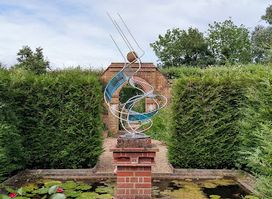
Explore 32 acres of themed gardens blending exotic plants and tranquil woodland near Norfolk’s coast, with expert tours and a charming tea room.
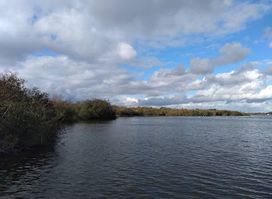
Explore Barton Broad Boardwalk’s accessible trail through a floating forest with panoramic views and rich wildlife in the heart of the Norfolk Broads.