
Foxholes, The Cotswolds Travel Guide
Ancient woodland sanctuary famed for spring bluebells, diverse fungi, abundant wildlife, and tranquil riverside meadows in Oxfordshire.
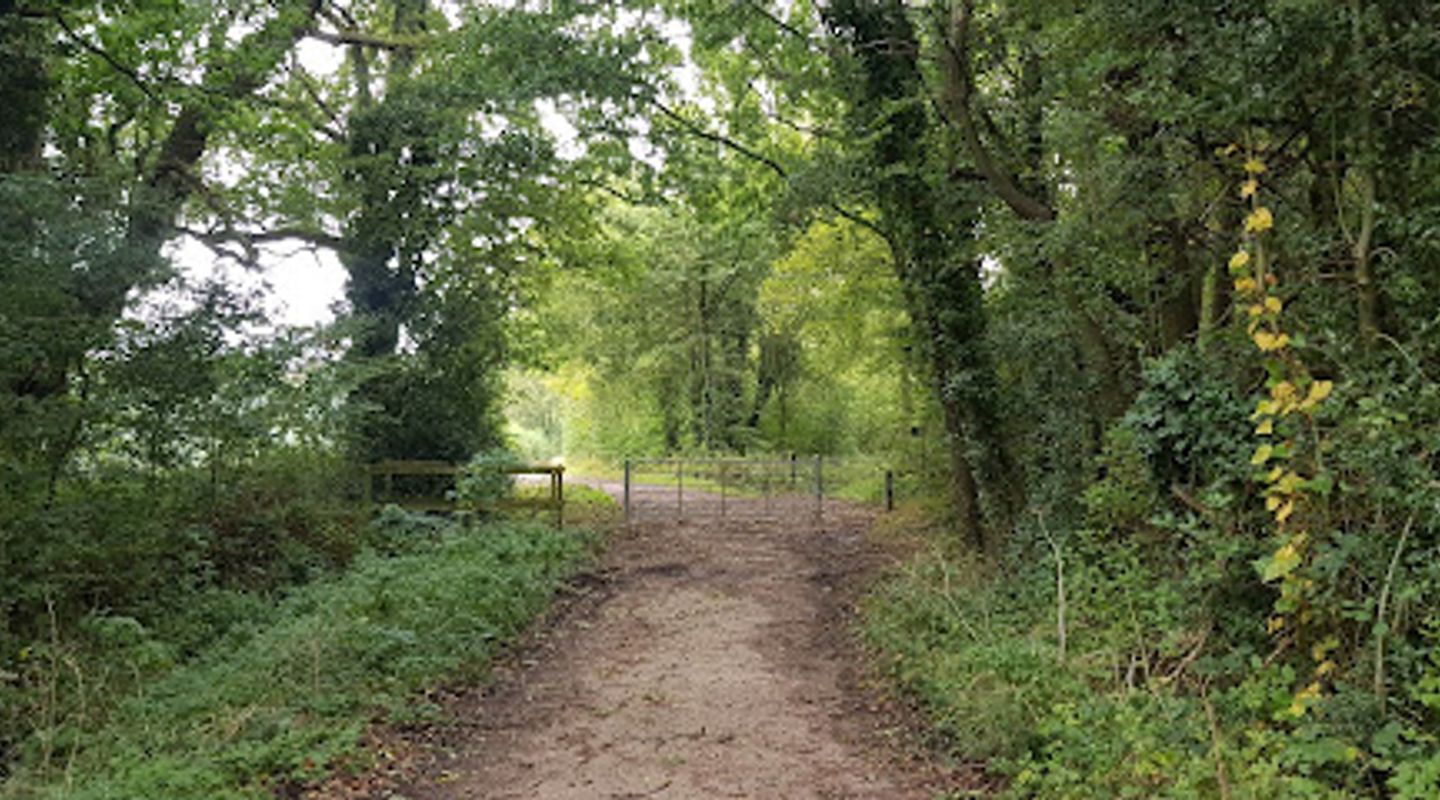
Foxholes Nature Reserve is a serene 165-acre woodland and wet meadow managed by BBOWT, located near Foscot, Chipping Norton. Known for its spectacular spring bluebells, diverse fungi, and abundant birdlife, the reserve slopes gently down to the River Evenlode. Visitors can explore ancient woodland remnants, enjoy seasonal wildflowers, and observe a variety of wildlife including deer, bats, and butterflies throughout the year.
A brief summary to Foxholes
- Chipping Norton, Foscot, GB
- Click to display
- Duration: 1 to 3 hours
- Free
-
 Outdoor
- Mobile reception: 4 out of 5

Know before you go
Hi, I'm Eve. Here are a few practical things to know before exploring Foxholes.
- Visit in late April to early May to witness the spectacular bluebell carpets in full bloom.
- Bring binoculars for birdwatching; look out for nuthatch, treecreeper, and various owl species.
- Wear sturdy footwear as some paths may be uneven or muddy, especially near the river.
- Autumn is ideal for spotting a wide variety of fungi; consider joining a guided fungus foray if available.
- There are no visitor facilities such as toilets on site, so plan accordingly.
Do you manage this location?
Take control to get all the benefits, like improved information, better appearance, and stronger visibility across AI-powered discovery. Learn more about listing your business on Evendo
Activate your presenceOther nearby places you may find interesting
The closest places of the same kind, if this one is not quite what you had in mind.


Explore Foxholes on the Map
A handpicked selection of must-see spots near Foxholes, mapped for you.
Getting There
-
Car
Driving from Chipping Norton, the reserve is approximately a 15-minute journey via local roads. Parking is limited near the entrance at Foscot; visitors should arrive early during peak seasons. No parking fees apply.
-
Bus
Local bus services run from Chipping Norton to nearby villages; from there, expect a 30-40 minute walk on rural paths to the reserve entrance. Bus frequency is limited on weekends and public holidays. Tickets cost approximately £3-£5 one way.
-
Walking
For those staying in Shipton-under-Wychwood or nearby villages, walking routes to Foxholes range from 2 to 5 miles on country lanes and woodland paths. Terrain is uneven with some inclines, suitable for moderately fit walkers.
For the on-the-go comforts that matter to you
-
 Information Boards
-
 Seating Areas
-
 Trash Bins
Discover more about Foxholes
Ancient Woodland and Rich Flora
Foxholes Nature Reserve is a remarkable 165-acre site nestled in West Oxfordshire, renowned for its ancient woodland that was once part of the historic Wychwood Forest. The reserve’s landscape gently descends to the River Evenlode, offering a mix of wet meadows and woodlands. In spring, the woodland floor bursts into life with carpets of vibrant bluebells, primroses, violets, and early-purple orchids. The flora diversity extends to include red campion, bugle, foxglove, heath spotted-orchid, pyramid orchid, and herb-paris, creating a colorful tapestry throughout the seasons.Fungi and Seasonal Changes
Foxholes is especially famous for its fungi diversity, with over 200 species recorded in late summer and autumn. Visitors can find fascinating varieties such as beechwood sickener, oyster mushrooms, stinkhorns, milkcaps, tawny grisettes, false death caps, russulas, and bracket fungi. The autumn months transform the reserve into a spectacle of fungi and rich fall colors, enhancing its natural beauty and ecological importance.Wildlife Abundance and Birdlife
The reserve supports a wide range of wildlife. Bird enthusiasts can spot species like nuthatch, treecreeper, sparrowhawk, kingfisher, woodcock, tawny owl, barn owl, and little owl. The wet meadows and woodland edges provide habitats for butterflies including white admiral, holly blue, comma, meadow brown, ringlet, and speckled wood. Additionally, grass snakes, adders, and lizards bask in sunny spots, while mammals such as rabbits, hares, squirrels, badgers, foxes, muntjac deer, roe deer, and fallow deer roam the area.Conservation and Habitat Management
Conservation efforts at Foxholes focus on maintaining the delicate balance of habitats. Light grazing preserves the wet meadows by keeping soil fertility low, which benefits wildflowers. Coppicing is practiced to allow dappled sunlight to reach the woodland floor, promoting biodiversity and creating suitable conditions for birds and insects. The wide rides within the reserve are regularly cleared to prevent scrub encroachment, ensuring sunny corridors for flora and fauna. Volunteers often assist with these management tasks, contributing to the reserve’s ecological health.Visitor Experience and Trails
Visitors to Foxholes can enjoy a peaceful walk along well-maintained paths, including a circular Wildlife Walk of approximately 1.75 miles marked by badger waymarkers. The reserve is open year-round, providing opportunities to experience its changing seasonal highlights—from spring bluebells to autumn fungi. The tranquil setting offers excellent birdwatching, wildlife observation, and photography opportunities in a relatively undisturbed natural environment.Ecological Significance and Bat Habitat
Foxholes also serves as an important habitat for bats, with surveys identifying seven species including the rare Bechstein's bat. The presence of tall trees and a rich insect population supports these nocturnal mammals, highlighting the reserve’s role in preserving diverse wildlife. This ancient woodland’s ecological complexity makes it a vital conservation area within Oxfordshire's natural heritage.












Your all‑in‑one travel companion app
Explore expert travel guides, compare and book tours, experiences, hotels, and more—all from the palm of your hand. Download now for seamless trip planning wherever your wanderlust takes you.


Explore More of The Cotswolds
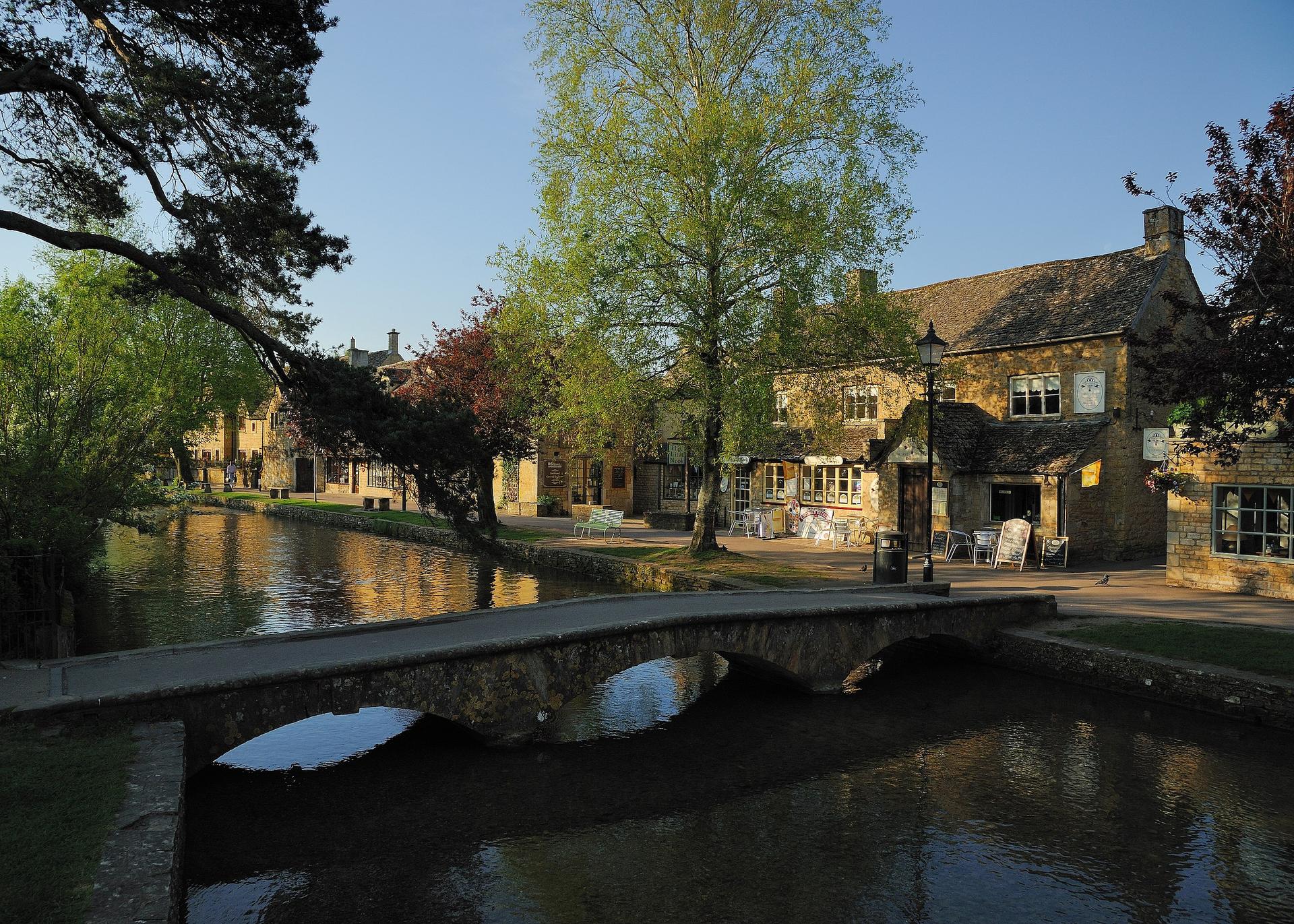
Looking beyond Foxholes? Discover The Cotswolds for broader travel guides, local hot-spots, and regional highlights.
Explore The Cotswolds
Discover Upper Slaughter, a serene Cotswold village where history, nature, and timeless English charm converge along the tranquil River Eye.
A charming country inn in Nether Westcote offering refined dining, cozy accommodations, and breathtaking Cotswold views.
